Navigating Shanghai PVG: A Guide to China's Dog Import Rules at Shanghai Airport
If there is one thing I enjoy more than a perfectly steeped cup of Da Hong Pao or a balanced FinTech spreadsheet, it’s proving a bureaucratic myth wrong. When I first arrived in China back in 2015, the narrative around bringing pets into the country was grim. It involved stories of mandatory facility quarantine—essentially a month in "doggie jail"—which was enough to make most expats leave their furry companions back in Manchester. Fast forward nine years. I’ve married Liu Yan, we have a toddler, Mia, who thinks every dog she sees is a "woof-woof," and I’ve spent the last decade analysing systems. The system for importing pets has changed drastically. Bringing a dog into China through Shanghai PVG has evolved from a mandatory quarantine nightmare into a manageable, albeit bureaucratic, spreadsheet exercise. Since the implementation of General Administration of Customs (GACC) Announcement No. 5 in 2019, if your paperwork is flawless—specifically regarding the Rabies Antibody Titre Test—you can legally skip the facility quarantine and go straight to your new apartment. I’m not a vet, and I’m certainly not a customs officer. But as someone who tracks regulatory shifts like stock tickers, I’ve compiled this guide based on current GACC regulations and community data as of September 15, 2024.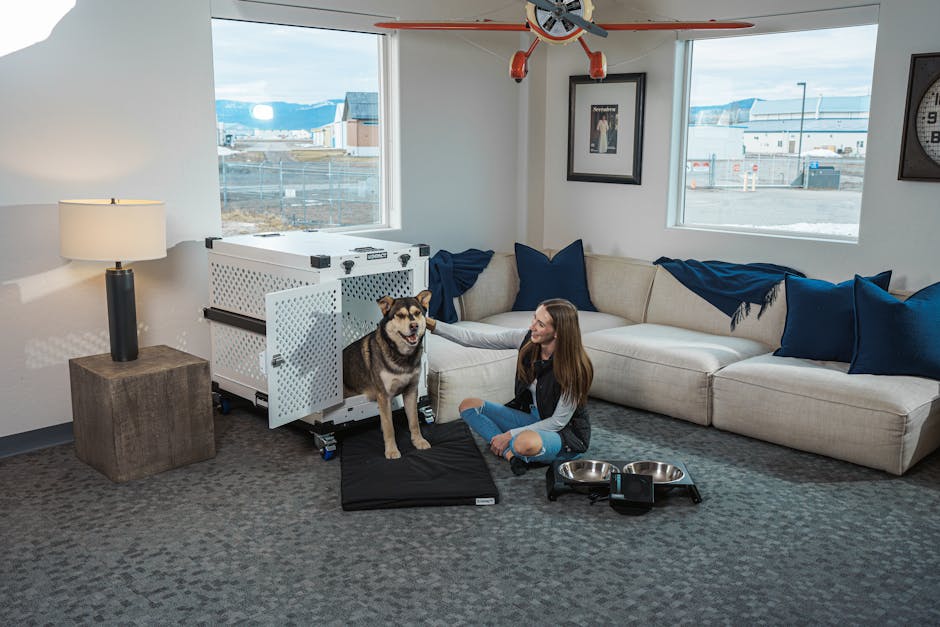
1. The Timeline: Starting Six Months Before You Fly
Do not book your flight yet. Bringing a pet to China is a critical path project; if you miss a milestone, the whole timeline resets. You need to start this process roughly 5 to 6 months before your intended departure date. When I look at the logistics, it reminds me of the rigid clearing cycles in banking. Order matters.Phase 1: The Microchip (T-Minus 6 Months)
Before a needle touches your dog, a microchip must be implanted. Standard: It must be compliant with ISO 11784 and ISO 11785. The Frequency: 134.2 kHz. The Trap: If your dog was vaccinated for rabies before being microchipped, that vaccination does not count. The chip establishes the identity; the vaccine attaches to that identity.Phase 2: The Rabies Vaccinations (T-Minus 5 Months)
China requires proof of two rabies vaccinations. While some countries accept a 3-year booster, for the initial import paperwork, sticking to a tight schedule is safer. 1. Shot 1: Given after the microchip is implanted. 2. Shot 2: Given at least 30 days after Shot 1.Tip: Ensure your vet records the full manufacturer name, batch number, and expiration date of the vaccine in the pet passport. Handwritten scrawls are a recipe for rejection at Shanghai PVG customs.
Phase 3: The Critical Titre Test Window (T-Minus 3-4 Months)
This is the golden ticket. To bypass quarantine, your dog needs a Rabies Antibody Titre Test. Timing: You must draw the blood sample after the second rabies vaccination (wait at least 30 days depending on vaccine brand guidance) and before you fly. Validity: The test result is generally valid for one year from the blood draw date. You can find the official UK government guidance on the timing for exports here: GOV.UK: Taking your pet abroad.Phase 4: The Export Health Certificate (T-Minus 7 Days)
In the final week, the stress levels usually peak. You need an Official Veterinarian (OV) in the UK (or your departure country) to sign the Export Health Certificate (EHC). This document confirms your pet is fit to fly and meets all Chinese entry requirements. The Window: This must be issued within 14 days of arrival, but practically, do it within 7 days to account for flight delays. Endorsement: In the UK, APHA (Animal and Plant Health Agency) must endorse this.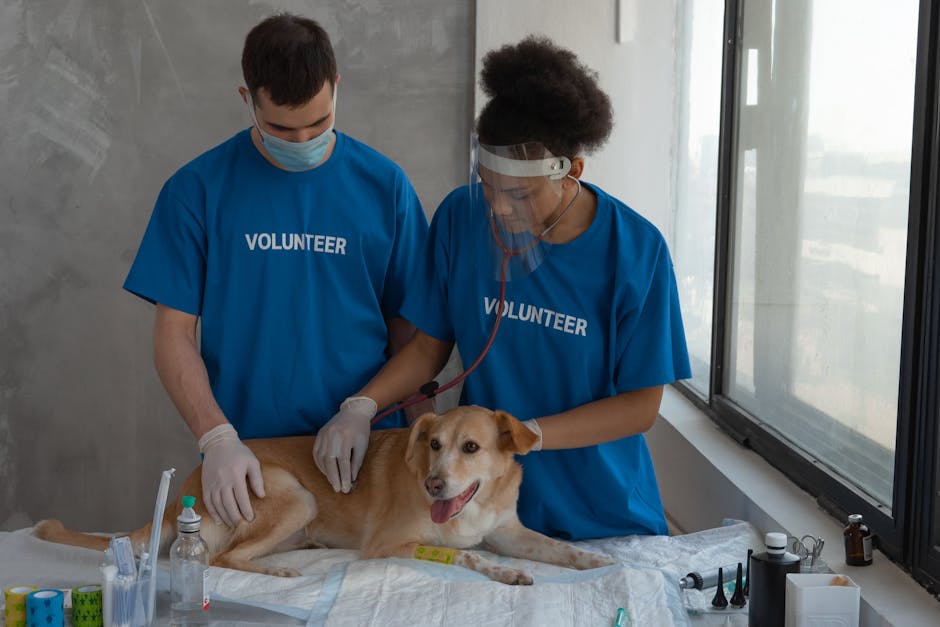
2. The Old Myth vs. The New Reality: Facility Quarantine
For years, "Shanghai Quarantine" was a phrase whispered with dread at expat gatherings. I remember advising a colleague in 2017 not to bring his Labrador because the 7-day facility stay (followed by 23 days home quarantine) was unavoidable and the conditions in the state facilities were reportedly spartan. That advice is now outdated. On May 1, 2019, the General Administration of Customs (GACC) Announcement No. 5 of 2019 came into effect. This regulation fundamentally changed the game. It introduced a classification system that allows compliant pets to be released immediately upon arrival. The catch? You must enter through a "Designated Port." Fortunately, Shanghai Pudong International Airport (PVG) is a designated port. If you fly into a non-designated port (like a smaller regional airport without quarantine facilities), you cannot clear customs with a pet.Regulatory Shift: Under the old rules, almost everyone did time in the facility. Under Announcement No. 5, if your paperwork (specifically the Titre Test) meets the standard, you fall into the category of "exempt from quarantine."
If you are currently planning your move and budgeting for arrival, you might want to look at my breakdown of costs here: Landing at Shanghai PVG: Airport Arrival Costs and Relocation Guide. It helps to know what you’re walking into financially.
3. The Hard Rules: Defining 'Designated' Countries and Labs
This is the section where my love for data comes in handy. China categorizes source countries into "Designated" and "Non-Designated." Designated Countries (Rabies-Free Zones): Includes New Zealand, Australia, Fiji, French Polynesia, Hawaii (USA), Guam (USA), Jamaica, Iceland, Cyprus, Portugal, Singapore, Sweden, Switzerland, Japan, UK (rarely—see note below), etc. Privilege: Pets from here generally do not need a Titre test to skip quarantine, provided they have chips and standard vaccines. The "UK" Confusion: While the UK is often considered rabies-free, enforcement can vary. Most savvy expats treat the UK as "Non-Designated" for the purpose of safety and get the Titre test anyway. Why? Because if there is any doubt at the border, the Titre test is your insurance policy. Non-Designated Countries (The Rest of the World): This includes the mainland USA, Canada, and most EU countries. Requirement: You MUST have a Rabies Antibody Titre Test result showing a level of >0.5 IU/ml.The Laboratory Trap
You cannot just use any vet lab. The test must be processed by a laboratory approved by Chinese Customs. The List: The list of approved labs changes. You must check the GACC website or the Ministry of Agriculture and Rural Affairs (MARA) listings. The Risk: If your UK vet sends the blood to a local lab not on the Chinese approved list, the report is worthless paper at PVG. Penalties: According to the GACC Laws and Regulations, animals with non-compliant documentation will either be returned to the country of origin (at your expense) or destroyed. This is not a system where you can "talk your way out of it."4. Step-by-Step: The Arrival Process at PVG
You’ve landed. You’re exhausted. You’ve probably spent 12 hours worrying if the cargo hold was warm enough. Here is the procedural breakdown of what happens next at China Shanghai Airport.- Disembark & Health Declaration: As you get off the plane, you'll need to do the standard passenger health declaration (usually via a WeChat mini-program or kiosk).
- Baggage Claim: Proceed to the baggage carousel. Your dog will usually come out at the Oversized Baggage area, not the carousel itself. In Terminal 2, this is often near the far end of the hall.
- The "Something to Declare" Channel: Do not walk through the "Green Channel" (Nothing to Declare). You must walk through the Red Channel.
- The Inspection Desk:
You will approach the Animal & Plant Quarantine desk. Have your document packet ready in this exact order:
- Passport (Human)
- Passport (Pet) / Health Certificate
- Original Rabies Antibody Titre Test Report
- The Official Export Health Certificate (EHC)
- The Scan:
The officer will scan your dog’s microchip.
Tip: Chinese scanners are generally universal, but I have heard of older scanners failing to read newer encrypted chips. It is highly recommended to bring your own battery-operated microchip scanner. If their scanner fails and you can't prove the identity, it’s automatic quarantine.
- The Decision: If the chip matches and the Titre report is >0.5 IU/ml from an approved lab, the officer will issue a release paper. You are free to go.

5. Cost Analysis: What This Will Actually Cost You
I convert everything to GBP because, well, old habits die hard. Currently, the rate is roughly £1 = 9.3 RMB. This is a "spreadsheet" view of the costs for a DIY import versus using an agent.| Item | Estimated Cost (GBP) | Notes |
|---|---|---|
| Microchip | £20 - £40 | Must be ISO compliant. |
| Rabies Vaccines (x2) | £60 - £100 | Prices vary by UK vet. |
| Titre Test (Approved Lab) | £150 - £300 | The most expensive paperwork item. |
| Export Health Certificate (OV Vet) | £100 - £200 | Includes the APHA endorsement fee. |
| Airline Pet Fee (Cargo/Excess) | £200 - £1,500+ | Varies wildly. In-cabin is cheap; manifest cargo is pricey. |
| TOTAL (DIY) | £530 - £2,140 | Does not include travel crate cost. |
| Optional: Pet Relocation Agent | +£1,500 - £3,000 | Pay for peace of mind and handling. |
6. One Flight, Two Experiences: A Tale of Two Dogs
To illustrate the fragility of this process, let me tell you about "Dave" (name changed to protect the embarrassed) and Sarah. Both arrived in Shanghai earlier this year. The Failure Mode: Dave brought his Golden Retriever from London. He did the Titre test. He had the vaccines. But on his Export Health Certificate, the microchip number had a typo—one digit was off compared to the actual chip in the dog. The Result: The customs officer scanned the dog. The number didn't match the paper. Dave argued it was a typo. The officer pointed to the regulations. The dog was sent to the designated quarantine facility for 7 days (where owners cannot visit), followed by 23 days of home isolation. Dave was devastated and spent a week worrying about kennel cough. The Success Mode: Sarah, a meticulous planner (my kind of person), arrived from Frankfurt. She had colour-coded her documents. She brought her own microchip reader to the counter just in case. The Result: She cleared customs in 25 minutes. By that evening, she was walking her poodle along the Bund (well, the dog-friendly parts). Community Wisdom: From what I hear in the community groups (and I monitor the "Shanghai Pet Owners" WeChat groups religiously): 1. Do not use sedation. Airlines often refuse sedated dogs, and if the dog looks groggy/sick at customs, officers may detain it for health observation regardless of paperwork. 2. Photos matter. Take a photo of your dog in the crate before loading. If the crate is damaged upon arrival, you need immediate proof for the airline claim. 3. Water. Freeze a water bowl in the crate so it melts slowly during the flight, preventing spills while keeping the dog hydrated. If you are worried about the weather shock for your pet upon arrival, check my comparison here: China Weather Guide: Shanghai Temperatures vs. Beijing. Shanghai is humid, which can be tough for thick-coated breeds in September.7. Final Checklist: Before You Lock the Crate
Bringing a life across borders is stressful. I deal with financial risk daily, but nothing spikes my heart rate like waiting for a family member—furry or otherwise—to clear immigration. Before you head to Heathrow or Manchester Airport, run this final "Go/No-Go" check: ✅ Microchip: Implanted before any relevant rabies shots? ✅ Rabies Vax: Two shots, valid and recorded? ✅ Titre Test: Original report in hand? Is the result >0.5 IU/ml? Is the lab on the GACC list? ✅ EHC: Issued within 14 days? Endorsed by the government authority? ✅ Names Match: Does the owner's name on the passport match the person traveling? (You cannot ship a dog as "excess baggage" if you aren't on the plane). ✅ Scanner: Do you have a backup microchip reader in your hand luggage? Once you clear the hurdles at PVG, Shanghai is a surprisingly decent place for dogs. The West Bund (Xuhui Riverside) has become a massive gathering spot for pet owners, and the coffee shops there are very welcoming. It’s a far cry from the restrictive environment of a decade ago. The bureaucracy is heavy, yes. But unlike a fluctuating exchange rate, these rules are fixed. Follow them to the letter, and you’ll be fine.Disclaimer: This article is for informational purposes based on regulations as of 2024-09-15. Animal import laws can change overnight. Always verify with your airline and a professional pet relocation agent before travel.
Comments
Comments are currently closed. Have feedback or a question? Reach out through the contact info on the About page.