The Arrival: Smog, Static, and the Spreadsheet
The smell of Beijing Capital International Airport (PEK) in 2015 is something I can still conjure up if I close my eyes. It wasn’t unpleasant, exactly, but it was distinct—a mix of industrial cleaner, jet fuel, and something dusty, like old carpet. I stepped off the plane, a 27-year-old financial analyst fresh from Manchester, clutching a battered rucksack and a folder containing a spreadsheet titled CHINA_LOGISTICS_V1.xlsx. Outside the taxi window, the sky wasn't the crisp blue I was used to seeing on postcards of the Temple of Heaven. It was a heavy, grey blanket. According to the China National Environmental Monitoring Centre, the AQI that day was hovering in the "Unhealthy" range, though at the time, I just thought it looked like a particularly gloomy Tuesday in Stockport, only on a massive, terrifying scale.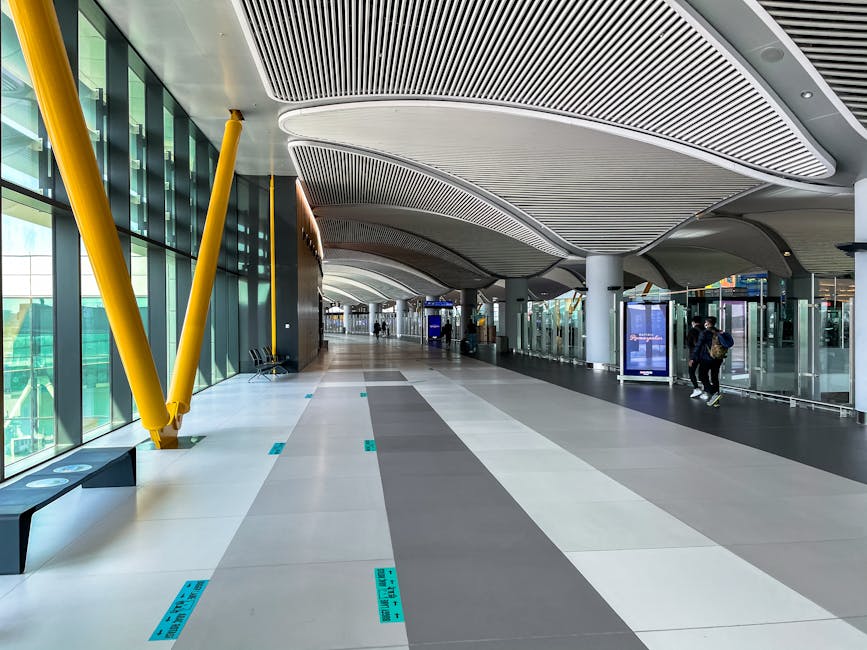
The Golden Rule: Register or Regret It
Let’s cut the nostalgia for a moment. If you are reading this because you have just landed, or are about to land, put down the dumpling guide and listen. There is one administrative task that holds priority over everything else: Registration. According to Chinese law, foreigners must register their temporary residence with the local Public Security Bureau (PSB) within 24 hours of arrival. If you are staying in a hotel, they do this for you automatically when they scan your passport at check-in. You don't need to lift a finger. However, if you are staying in an Airbnb, with a friend, or renting a flat immediately (ambitious!), you must go to the local police station yourself.
Documents You Actually Need:
I learned this the hard way—or rather, nearly did. I assumed I had a "grace period." I did not. The GOV.UK China Foreign Travel Advice page is very clear on this: penalties can range from a warning to a fine of up to 2,000 RMB (£220!). Do not mess with Chinese bureaucracy; it is efficient, unyielding, and does not care that you are jet-lagged.
- Your original passport
- A photocopy of your passport photo page and visa page
- Your housing contract or a letter from your host
- Your host's ID (sometimes required, bring photocopies just in case)
The Great Wall of People (and Why I Miss Queueing)
I need to take a brief detour here. In the UK, queueing is a national sport. It is a silent contract of mutual respect. You stand behind the person in front of you, you leave a polite gap, and you wait your turn. I remember waiting for the 192 bus on the A6 back home; even in the pouring rain, we formed a perfect, orderly line. It was civilized. It was safe. Beijing operates on a different set of physics.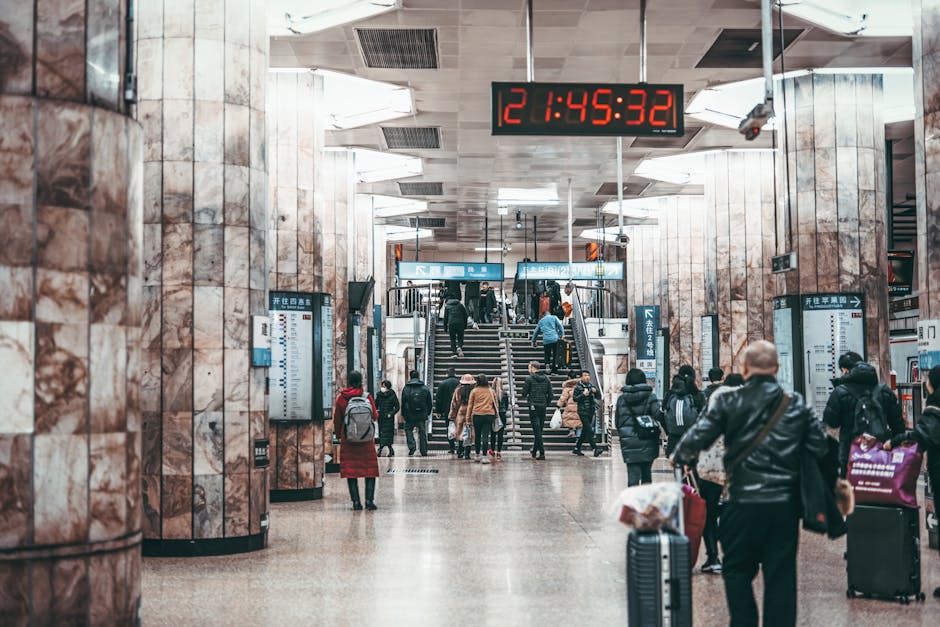
Dadong vs. Quanjude: The Duck Dilemma
My first real meal had to be the cliché. It had to be Peking Duck. I found myself standing outside a Quanjude branch, the neon sign buzzing in the twilight. Through the window, I could see the ducks hanging—glossy, mahogany-red, dripping with fat. It was mesmerizing. Inside, the noise level was deafening, a cacophony of shouting waiters and clattering porcelain. When the duck arrived, sliced with surgical precision by a chef tableside, I had my first "China moment." I took a piece of the crispy skin, dipped it into the small saucer of sugar (a revelation I wasn't expecting), and ate it. It dissolved. It was pure, unadulterated grease and sugar, and it was magnificent.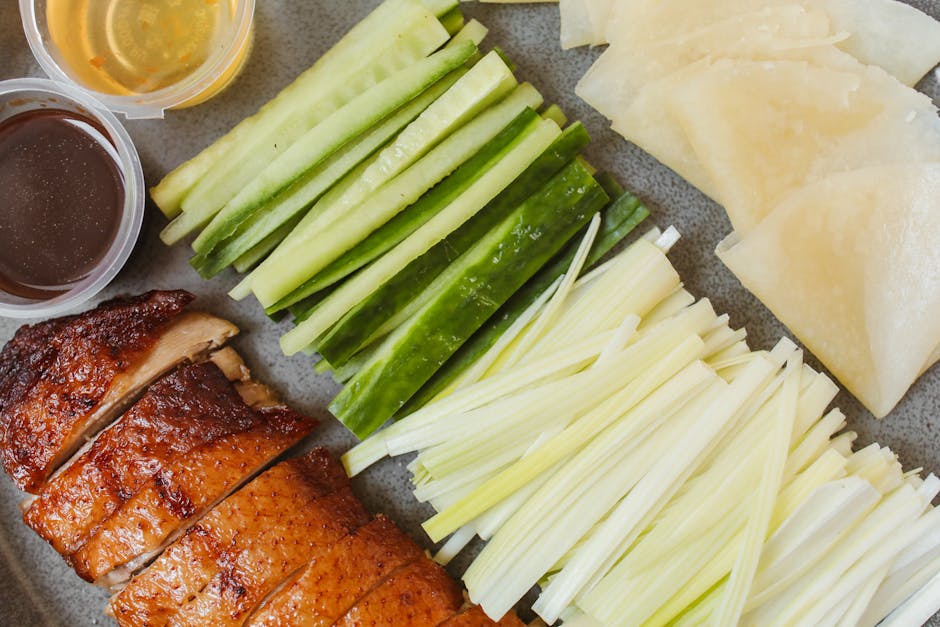
What the Forums Didn't Tell Me About the Language Barrier
If you browse the expat forums or listen to the chatter in "British in Beijing" WeChat groups, the advice is always the same: “Just download a translation app! You’ll be fine!” Here is the reported experience from the ground: That advice is garbage if you haven't set up your internet correctly. In my first 48 hours, I had no VPN (Virtual Private Network) that worked reliably on mobile data. My fancy Google Translate app? Useless without a connection to Google’s servers. I walked into a convenience store to buy water—bottled, obviously, because I refuse to drink tap water here even if you paid me—and tried to ask for a bag. I mimed a square. The shopkeeper handed me a pack of cigarettes. I mimed holding a handle. She handed me an umbrella. Eventually, I just carried four bottles of Nongfu Spring water in my arms like a clumsy thief. A colleague of mine, let’s call him Dave, told me he once tried to order "chicken" (jī) at a local spot but used the wrong tone and loudly demanded "frog" (tiánjī) or possibly a prostitute (jī), depending on who you ask. Tones matter. My wife Yan now helps me with my pronunciation, but back then? It was a mime act. Don’t rely on tech; learn the words for water, toilet, and bill before you get on the plane.Navigating the Ring Roads: A Timeline of Confidence
Transport in Beijing is a beast, but it’s a tameable one. Here is how my confidence evolved over those first two days: Hour 1: The Taxi Terror. I clutched a printed piece of paper with my hotel address in Chinese characters. I didn't speak. I just handed it to the driver and prayed. He grunted, spat out the window (a culture shock in itself), and drove like he was fleeing a crime scene. Hour 12: The Subway Attempt. Armed with the Beijing Municipal Government Transportation guide, I tackled Line 2 (the loop line). It’s color-coded Blue. I realized that if you just follow the colors and the English signs—which are surprisingly good—you can’t get too lost. The automated ticket machines have an English button. Hour 36: The Yikatong Victory. I bought a Yikatong (Transportation Smart Card). This is the key to the city. You tap in, you tap out. No fumbling for change, no standing in line for single tickets. It works on buses too, though I wasn't brave enough for the bus system until month three.
Tip: Keep your Yikatong in a separate pocket from your phone. For some reason, having them together used to de-magnetize the older cards. I have a separate "transport wallet" now. Yes, it's nerdy. Yes, it works.
The Cost of Curiosity: Budgeting for the Capital
I love data. I love tracking spend. So, looking back at my spreadsheet from 2015, the cost variance in Beijing is fascinating. You can live like an emperor or a pauper, often on the same street. Here is a breakdown of typical costs I encountered (converted to approx. GBP rates):| Item | Beijing Cost (RMB) | GBP Equivalent | Manchester Equivalent |
|---|---|---|---|
| Starbucks Latte | 32 RMB | £3.50 | £3.20 |
| Bowl of Beef Noodles | 18 RMB | £2.00 | £9.00+ |
| Subway Ride | 4 RMB | £0.45 | £2.50 (Tram) |
Comments
Comments are currently closed. Have feedback or a question? Reach out through the contact info on the About page.