Is the Magic Really Worth the Price of Admission?
Let’s be honest: when you’ve lived in Shanghai for six years (I arrived back in 2015, just before the park actually opened), you develop a healthy skepticism for "must-see" tourist attractions. Is it a genuine escape, or just a chaotic trap designed to separate you from your Renminbi? As a financial analyst, I look at Disneyland less like a fairytale and more like a P&L statement. The entry fee varies wildly depending on the day. You’re looking at anywhere from 399 RMB on a "Regular" day to a staggering 699 RMB on "Diamond Peak" holidays.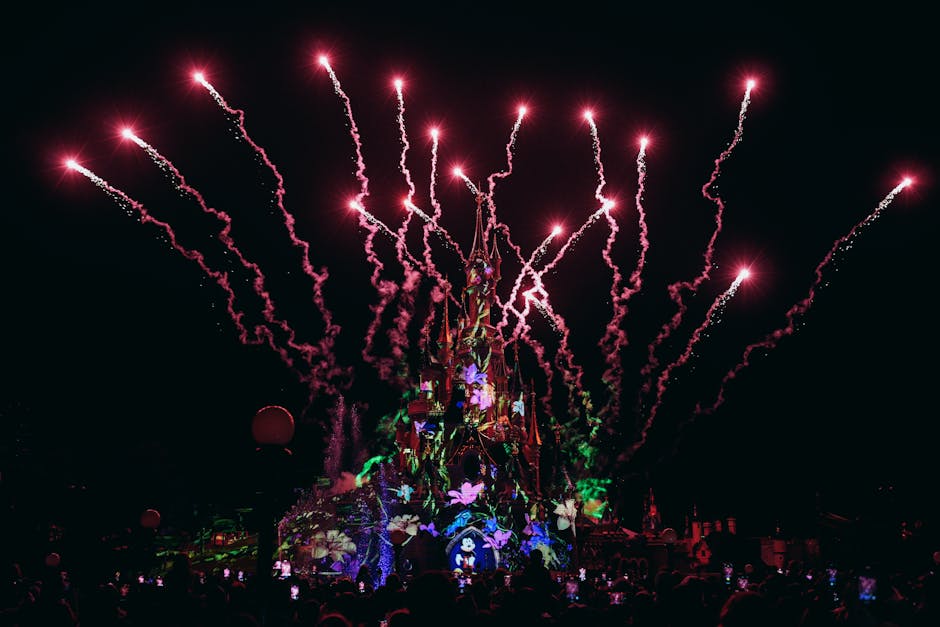
Tip: If you are buying an Annual Pass, don't just look at the entry price. Factor in the 20% discount on dining that comes with the higher tiers. Over a year of buying lunch for three, that discount essentially pays for one of the passes.
Shanghai vs. The World: A Cost Analysis
I often get asked by newcomers if Disney is "expensive." "Expensive" is relative. To answer this, I built a comparison matrix to see how a day at the park stacks up against a standard "nice" weekend out in the city center. Here is the breakdown for a hypothetical Saturday for one adult:| Expense Category | Day in the City (Jing'an/Xuhui) | Day at Disney (Pudong) |
|---|---|---|
| Transport | 30 RMB (Didi/Taxi short hop) | 14 RMB (Metro Round Trip) |
| Lunch | 80-120 RMB (Wagas/Blue Frog) | 90-130 RMB (Park Burger Combo) |
| Entertainment/Ticket | 0 - 150 RMB (Museum/Exhibition) | 599 RMB (Peak Day Ticket) |
| Snack/Coffee | 35 RMB (Starbucks) | 45 RMB (Park Coffee) |
| TOTAL (GBP approx) | ~£16 - £35 | ~£85 - £90 |
From Lujiazui to the Magic Kingdom
There is a specific, surreal moment that happens on Line 11. I usually catch the metro from near the Shanghai Tower in the financial district. You stand on the platform surrounded by people in sharp suits, frantically checking stocks on their phones. Then, the train arrives. But not just any train. It’s the Disney-themed train.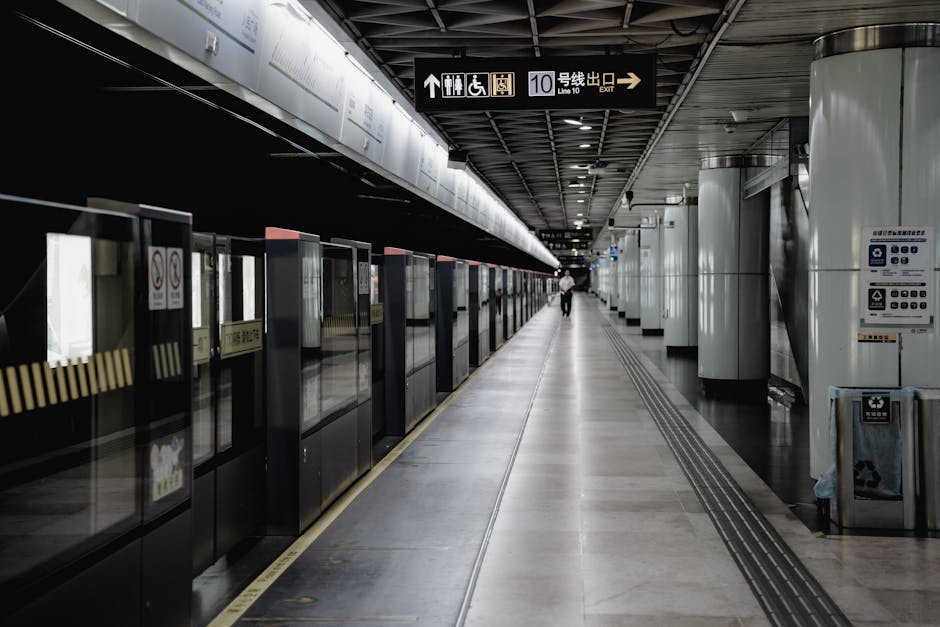
For newcomers: Do NOT drive. Parking is expensive and the walk from the car park is far longer than the walk from the Metro station. Stick to the train. For more on navigating the system, read my Mastering the Shanghai Metro: A Beginner's Guide.
Leaving the station, you aren't immediately in the park. You walk through "Disneytown"—a retail district that requires no ticket. It’s a clever piece of urban planning, transitioning you from the concrete jungle to a manicured, artificial paradise.
Understanding the Density: The Demographics of a Park Visit
It is necessary to contextualize the crowding issues often cited by visitors. Shanghai is not merely a city; it is a mega-city with a population exceeding 24 million. Furthermore, it serves as the primary leisure hub for the Yangtze River Delta region. Data from the National Bureau of Statistics of China indicates that the population density in Shanghai is significantly higher than national averages, and the surrounding provinces (Zhejiang and Jiangsu) contribute millions of domestic tourists annually. When a public holiday occurs—such as the National Day "Golden Week" in October or Labor Day in May—the influx of visitors is not just local; it is regional. The park's capacity is tested not by international travelers, but by domestic demand. Statistically, visiting during a Chinese public holiday is the single most inefficient decision a visitor can make, regardless of ticket price. The volume of people physically outstrips the infrastructure's ability to process queues efficiently.The Crowd Reality: Tales from the Queue
I haven't personally experienced the worst of the horror stories, mostly because I refuse to go during holidays, but the community "chatter" is hard to ignore. A colleague of mine, let's call him Dave (also from Manchester, poor bloke), tried to take his visiting parents during the Mid-Autumn Festival. He described it as "a rugby scrum with Minnie Mouse ears." The sheer physicality of the queuing culture here can be a shock to the British system. We are used to orderly lines; here, a gap of six inches is an invitation for someone to squeeze through.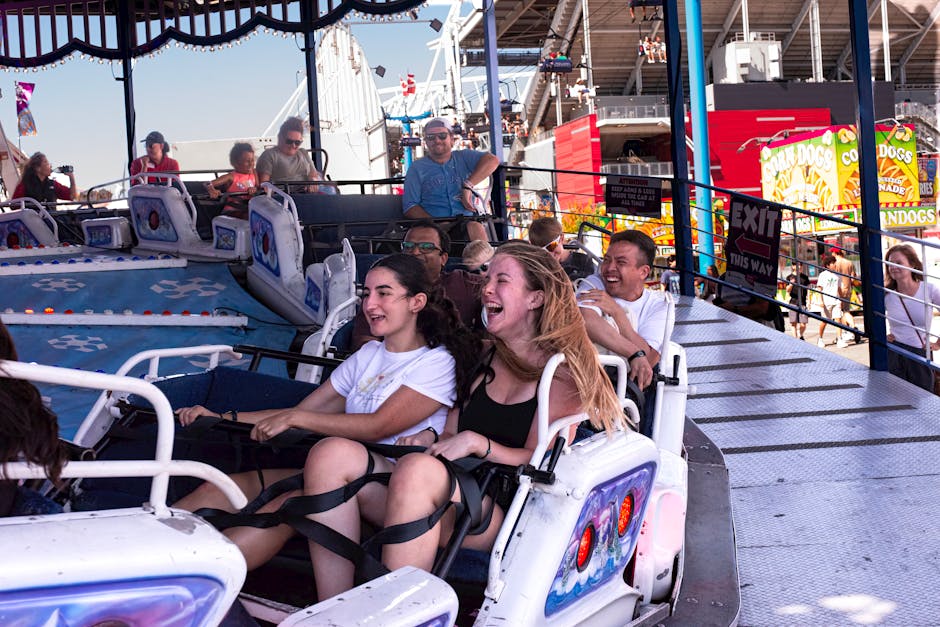
The Tron Lightcycle Power Run: By the Numbers
If you ignore everything else in this article, read this section. The Tron Lightcycle Power Run is the reason I renew my pass.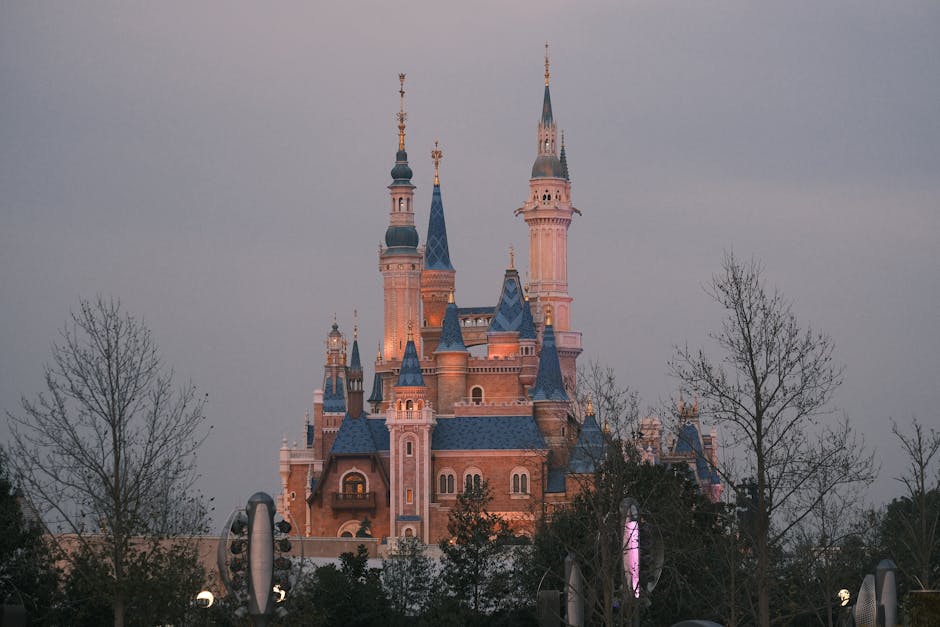
Food, Rules, and The Final Verdict
There was a massive controversy a couple of years back regarding outside food. Originally, you couldn't bring anything in. This led to lawsuits and eventually, a policy shift. According to the current rules on the Shanghai Disney Resort Official Site, you are allowed to bring food and non-alcoholic beverages, provided they don't require heating or reheating and aren't in glass containers. This is a game-changer for the spreadsheet. Instead of buying the famous turkey leg (which costs an eye-watering 80 RMB and is undeniably greasy), we now pack a picnic. I usually swing by a bakery in the French Concession for baguettes, and we bring fruit for Mia. Since I refuse to drink the tap water—even the boiling water provided at the stations gives me trust issues—I pack about four liters of bottled water in my backpack. We sit on the artificial grass near the castle, eating our reasonably priced sandwiches while watching people queue for £4 popcorn. So, is it worth it? If you go on a Saturday during a holiday, buy a single-day ticket, and eat every meal in the park? No. You will spend £150 per person to be miserable and sweaty. But, if you: 1. Buy a seasonal pass to lower the per-visit cost. 2. Visit on a Tuesday or Wednesday (taking a day off work). 3. Pack your own lunch and bottled water. 4. Arrive at 8:00 AM sharp to hit Tron twice before the crowds build. Then yes. It is a marvel of engineering and a legitimate escape from the grind of the city. Just don't forget your spreadsheet.More on this topic:
Comments
Comments are currently closed. Have feedback or a question? Reach out through the contact info on the About page.