The Shanghai F1 Grand Prix: A Spectator's Guide
It’s been exactly ten years since I swapped the drizzle of Manchester for the humidity of Shanghai. When I attended my first Chinese Grand Prix in 2016, I was a fresh-faced expat sitting on the grass banks, nursing a warm Tsingtao and trying to make sense of the local dialect. Fast forward to 2025. I’m now a father to a toddler, I’ve traded the grass for a grandstand seat, and—true to my nature as a financial analyst—I have a spreadsheet tracking the historical inflation of trackside beer prices. While the Shanghai International Circuit remains a world-class facility, surviving the race weekend requires tactical planning. The logistics can be overwhelming, and without a strategy, you risk spending three days in a queue rather than watching racing. Here is how to navigate the weekend without losing your patience or your wallet.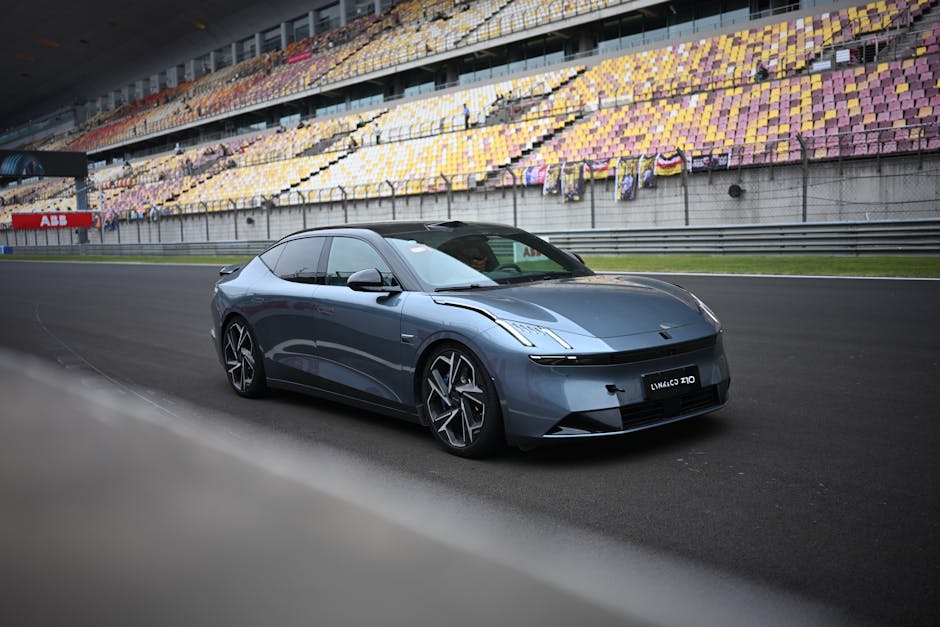
Grandstand vs. General Admission: The ROI Calculation
The track design by Hermann Tilke is famous for looking like the character 'Shang' (上). For those learning the language, that is the first character of Shanghai in Chinese, meaning "above" or "up." Unfortunately, that is also the direction ticket prices have trended over the last decade. As someone who obsesses over value—I still convert every grocery bill to GBP to ensure I’m not overpaying—I’ve broken down the seating tiers based on Return on Investment (ROI).The Corporate Write-Off: Main Grandstand A
This is where you sit if your company is paying. The view of the pit lane is fantastic, and you get to see the start/finish chaos. The Analyst’s Take: The amenities are the real draw here. You get access to proper, clean toilets—a luxury you cannot overestimate in China. However, you only see the cars for a split second as they fly past at top speed. It’s low ROI for the actual racing action.The Smart Money: Hairpin H/K
If I’m paying with my own money, I sit here. This is the end of the massive back straight where cars brake from 330kph down to practically zero. The Analyst’s Take: This is where the overtakes happen. The deceleration is violent, the noise is better, and the crowd energy is significantly higher. You get more "event" per RMB spent.The "False Economy": General Admission (Grass)
In 2016, I thought I was being clever by saving money on the grass banks. The Analyst’s Take: Don't do it. Unless you arrive at 8:00 AM to stake out a spot, you will be staring at a safety fence. With my wife, Liu Yan, refusing to sit on damp ground, and now with a toddler in tow, this sector is a logistical nightmare. The savings on the ticket price are negated by the cost of the physiotherapy you’ll need for your back on Monday.
Oliver’s Note: Be incredibly careful with ticket scalpers. I’ve seen discussions on the British Expats in China Forum about high-quality fake QR codes circulating this year. Only buy from official channels like Juss Sports.
The Logistics of Getting There (And Back)
The circuit is in Jiading, which is technically Shanghai, but spiritually feels like a different province. It is far.The Metro is Non-Negotiable
Do not take a taxi. Do not take a Didi. I tried to Didi home in 2017; I waited two hours in a parking lot inhaling exhaust fumes before walking to the metro anyway. The traffic management shuts down the surrounding roads, creating a gridlock that would make the M60 look free-flowing. My Strategy: 1. Line 11: This is your lifeline. 2. The "Reverse Commute" Hack: When leaving, don't queue at the "Shanghai Circuit" station with 50,000 other people. Walk 20 minutes to the previous station (Anting) or the next one down the line if access allows. You might get a seat before the mob boards. 3. Digital Payment: Ensure your Alipay or WeChat Pay is linked to your metro code. If you are a tourist, you can add a Shanghai Transit card to your Apple Wallet instantly. For a broader look at navigating the city's transit, check out the SmartShanghai Metro Guide, which is indispensable for newcomers.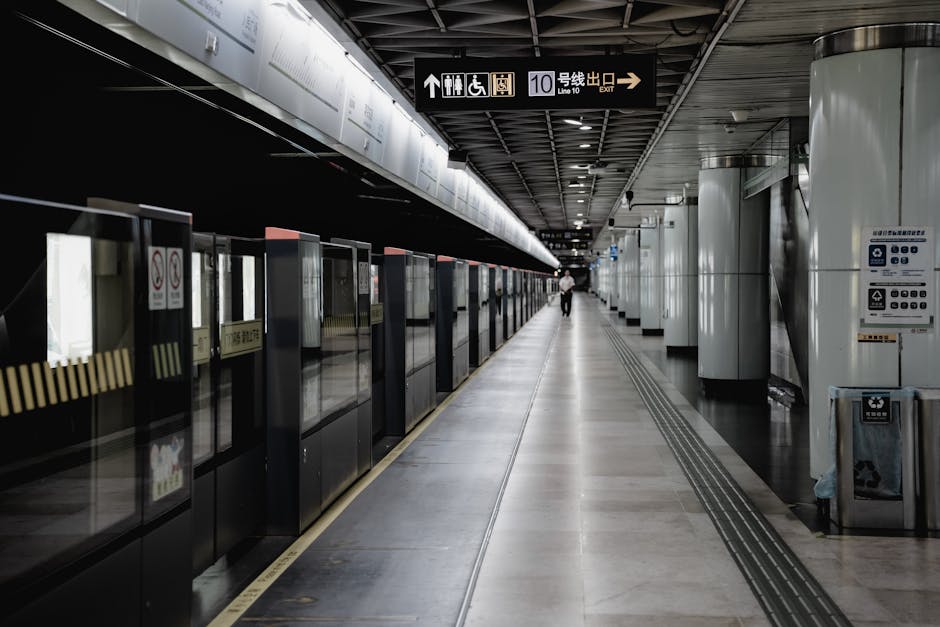
The "Sterling Index": Budgeting for the Weekend
The "track markup" is a global F1 phenomenon, but it hits hard here. I’ve crunched the numbers for the 2025 season. To verify my estimates against general city costs, I cross-referenced my own spending with Numbeo’s Shanghai data. Here is what you will actually spend (exchange rate approx. 9.2 RMB = £1).| Item | Cost (RMB) | Cost (GBP) | Analyst Comment |
|---|---|---|---|
| Heineken Draft (Trackside) | 85 RMB | £9.24 | London prices in Jiading. Painful. |
| Beef Noodles (Trackside) | 90 RMB | £9.78 | Medicinal quality at best. Eat beforehand. |
| Official Team Cap | 450 RMB | £48.90 | Cheaper on Taobao. |
| Metro (Round Trip) | 14 RMB | £1.52 | The only bargain of the weekend. |
The Photographer's Itinerary
As a hobbyist photographer, I view the weekend through my viewfinder. If you want good photos, Friday is the only day that matters. Friday (Free Practice): The stands are 30% full. Security is relaxed. I take my 70-200mm lens and roam between Grandstand H and the Main Stand. You can get panning shots of the cars without fighting for elbow room. Saturday (Qualifying): The vibe shifts. It’s serious now. Be in your seat by 2:30 PM. The queues for the toilets spike massively right before Q1 starts. Sunday (Race): Put the camera away. You paid to watch the race, not the back of a viewfinder. Plus, the atmosphere is too chaotic to focus on settings.
Travel Warning: If you are flying out Sunday night from Shanghai PVG, do not book a flight earlier than 11:00 PM. Getting from Jiading to Pudong Airport is a cross-city trek that involves traversing the entire urban sprawl. It can easily take 2.5 hours if the traffic gods are angry.
Comments
Comments are currently closed. Have feedback or a question? Reach out through the contact info on the About page.