The Numbers: TEFL & International School Salaries De-mystified
If there is one thing I’ve learned since swapping the grey skies of Manchester for the humid buzz of the Bund in 2015, it’s that Shanghai runs on data as much as it runs on dumplings. As a financial analyst working in FinTech, I can't help but look at the teaching market here through the lens of a spreadsheet. For newcomers arriving in 2021, the salary landscape can be incredibly confusing. You’ll see offers ranging from "barely surviving" to "banking tycoon." To make sense of this, we need to categorize the market. Based on the Hays Asia Salary Guide and my own analysis of local job boards over Q1 2021, here is the breakdown of what you should actually expect.
Market Snapshot (May 2021): The demand for qualified subject teachers (Maths, Science) is currently outpacing supply due to border restrictions. This has created a wage inflation of approximately 8-12% compared to 2019 figures for Tier 1 roles.

The Three Tiers of Teaching Income
I've converted these to GBP using the current approximate rate (£1 = 9 RMB) because, old habits die hard, and I still mentally convert the price of milk back home.| Role Type | Avg. Monthly Salary (RMB) | Avg. Monthly Salary (GBP) | Typical Requirements |
|---|---|---|---|
| TEFL / Training Center | 18,000 - 24,000 RMB | £2,000 - £2,666 | Bachelor's Degree + TEFL/CELTA |
| Bilingual School | 25,000 - 32,000 RMB | £2,777 - £3,555 | Degree in Education or PGCE, 2+ years exp. |
| Tier 1 Int'l School | 35,000 - 45,000 RMB+ | £3,888 - £5,000+ | PGCE/QTS, Master's preferred, 5+ years exp. |
| Source: Hays Asia Salary Guide & Job Board Aggregates. Last verified: 2021-05-20 | |||
The "Gross" vs. "Net" Trap
A critical "gotcha" that catches many fresh expats is the taxation. Under the State Taxation Administration - Individual Income Tax Law, China uses a progressive tax system. If a contract says 25,000 RMB, that is gross. Social Insurance: Your employer should be deducting for social insurance. Tax: On 25k, you are looking at roughly 2,000-3,000 RMB in deductions depending on specific allowances. Always negotiate net (after tax) if you can, or at least run the numbers before signing. A "high" salary can shrink rapidly once the tax bureau takes their share.The Cost of Living Equation: Will You Actually Save Money?
High income means nothing if your outgoings are astronomical. My wife, Yan, constantly reminds me that just because I can afford a £6 pint of imported IPA, doesn't mean I should. Living in Shanghai presents a dichotomy: services are cheap, but "home comforts" and rent are expensive. Below, I’ve compared key costs using data from Numbeo.Tip: The "Shanghai Premium" is real. Living in the Former French Concession (Xuhui) will cost 30-40% more in rent than living just three metro stops away in Putuo or Hongkou. Check out my guide on Mastering the Shanghai Metro to see where the value lies.
The "Xiaolongbao Index"
To give you a real sense of purchasing power, let's look at the essentials.| Item | Cost (RMB) | Cost (GBP) | Notes |
|---|---|---|---|
| 1-Bed Apt (City Centre) | 8,500 - 12,000 | £944 - £1,333 | Depends heavily on "old lane house" vs. "modern high rise" |
| Local Meal (Dumplings/Noodles) | 25 - 40 | £2.70 - £4.40 | The "Xiaolongbao Index" - incredibly high value |
| Imported Cheese (200g) | 80 - 120 | £8.80 - £13.30 | The "Expat Tax" on imported dairy is painful |
| Utilities (Monthly) | 300 - 500 | £33 - £55 | Includes water, electricity, gas (Summer AC spikes this) |
| Source: Numbeo: Cost of Living in Shanghai. Last verified: 2021-05-20 | |||
Fudan University: Not Just Another Employer
When discussing Shanghai Fudan University, we need to shift gears from "cash" to "cachet."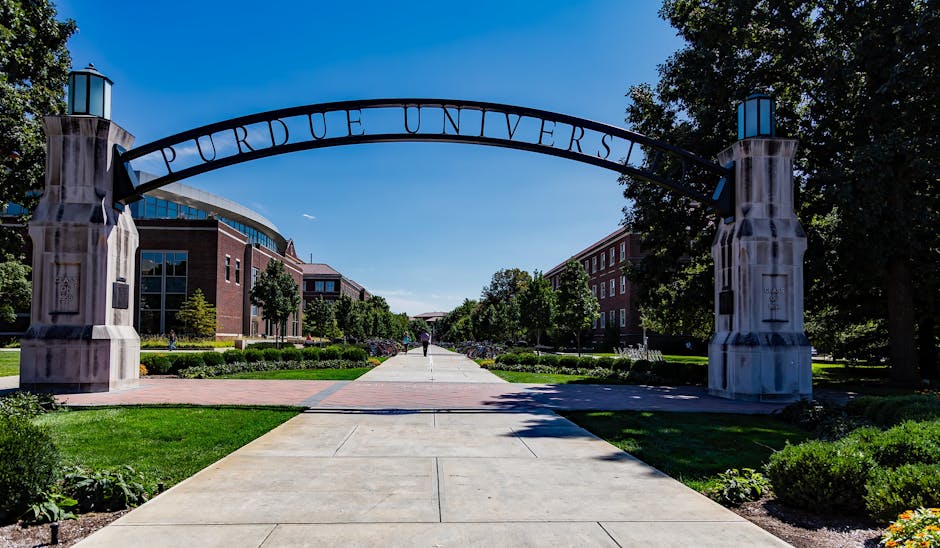
Prestige vs. Paycheck
According to the Fudan University Official Site, Fudan is consistently ranked among the top 5 universities in China. It is the Oxbridge of Shanghai. 1. Visa Stability: University visas are ironclad. The Foreign Expert Certificate process is smoother because the government trusts the institution. 2. Work-Life Balance: A training center will work you evenings and weekends (40+ contact hours/office hours). A university lecturer might teach 12-16 hours a week with huge holidays. 3. Campus Environment: Located in Yangpu District, the campus is a leafy, academic haven. It feels miles away from the neon chaos of Nanjing Road.
Researcher Note: While Fudan salaries are lower on paper, many contracts include free or highly subsidized campus housing, which effectively adds 6,000-8,000 RMB to your package value.
From 'Ni Hao' to 'Nong Hao': The Language Timeline
You cannot discuss teaching here without addressing the linguistic elephant in the room: Shanghai in Chinese. Most people know the Mandarin characters for Shanghai: 上海 (Shànghǎi), which literally translates to "Upon the Sea." It’s poetic and accurate given the port history. But after six years here, I can tell you that the linguistic journey is layered. Month 1 (Survival): You learn "Ni hao" (Hello) and "Ting bu dong" (I don't understand). You struggle to order food. Month 6 (Confusion): You realize your local colleagues aren't speaking Mandarin to each other. They are speaking Shanghainese (Hu dialect). Instead of "Ni hao," you hear "Nong hao." Year 1 (Integration): My daughter Mia is growing up bilingual, but even she gets confused between Yan's Mandarin and the dialect she hears from the grandparents in the park.
Are You Legal? The Z-Visa Critical Check
As a financial analyst, I assess risk. Working in China on the wrong visa is a "high risk, negative return" scenario. In 2021, the regulations are tighter than ever. The Ministry of Education - Guidelines for Foreign Teachers mandates that all foreign teachers must hold a work permit (Z-Visa).The "Business Visa" Scam
Some schools may ask you to come over on a Business (M) or Tourist (L) visa and "switch it later." Do not do this. The Consequence: Police raids on training centers are common. If caught, you face detention, a fine of up to 10,000 RMB, and deportation. The Verification: A legitimate employer will ask for your degree (authenticated), your TEFL/Teaching license, and a background check before you arrive.Pro Tip: Your work permit card has a QR code. Scan it. If the job title or location doesn't match exactly where you are standing, you are technically working illegally.
The 'Tea Break' Reality Check: It’s Not All Holidays
I remember sitting in a staff room in 2016, watching a new hire from Leeds have a complete meltdown. Her schedule had been changed five minutes before class—a common occurrence here. She shouted, "But it's my tea break!" The Chinese concept of "flexibility" can feel like chaos to a structured British mind (especially one that loves a spreadsheet like mine). Office Hours are Real: Even if you aren't teaching, you are often expected to be at your desk. It's about "face" and showing presence. Feedback is Direct: In the UK, we sandwich criticism: "That was lovely, maybe just tweak this." Here, a supervisor might say, "Your class was boring. Fix it." It’s not rude; it’s efficient.
Comments
Comments are currently closed. Have feedback or a question? Reach out through the contact info on the About page.