The Economics of Nostalgia: Why We Pay £80 for Turkey
Let’s look at the numbers, shall we? Because my wife Yan certainly has. If you pull up the data on Numbeo Shanghai right now, you’ll see a stark reality that I’ve been grappling with since I touched down here in 2015. A "Meal for 2 People, Mid-range Restaurant, Three-course" sits at around 300 RMB (£34). That is a perfectly reasonable figure for a Friday night date. However, throw the word "Christmas" in front of the menu, and logic leaves the building faster than I do when someone suggests karaoke. We are currently seeing festive menus at top-tier Shanghai hotels averaging between 888 RMB and 1,288 RMB per head plus that inevitable 15% service charge. In Sterling terms, that’s roughly £100 to £150 per person. For a roast dinner. As a financial analyst, this hurts me physically. I have a spreadsheet (tab: Living_Expenses_2020) where I track our monthly food spend. A basket of six shengjianbao (pan-fried dumplings) costs me 12 RMB (£1.35). Therefore, one Christmas dinner at the Ritz is financially equivalent to 644 dumplings. Why do we do it?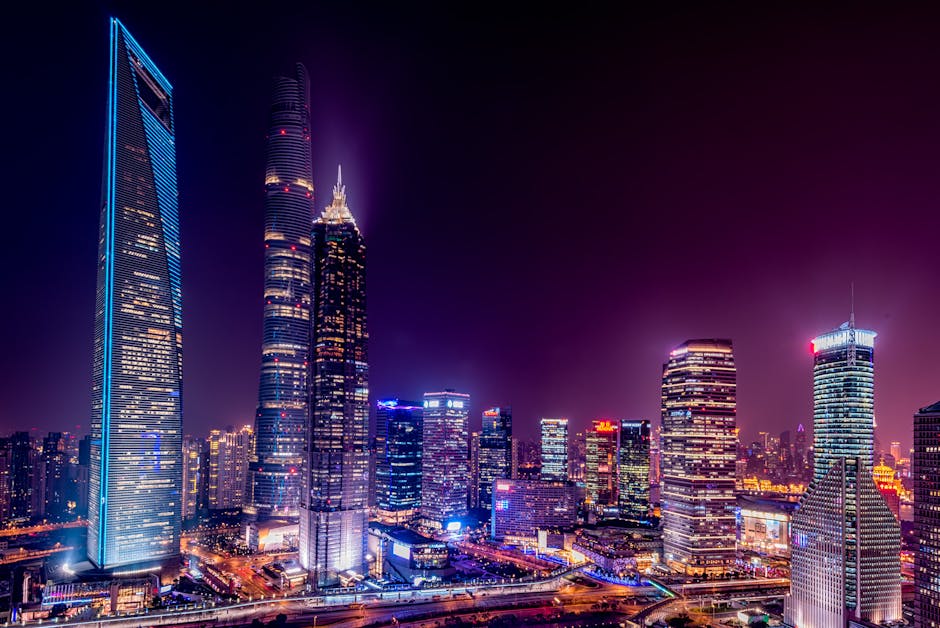
Market Watch: Imported turkeys are currently trading at a premium due to 2020 logistics. If you see a "reasonable" price on a menu, check if it's imported bird or local. The texture difference is... significant.
The Waldorf Astoria: A Victorian Christmas on the Bund
I remember my first Christmas here in 2015 vividly. I was fresh off the plane, practically still vibrating from the culture shock, and missed my family terribly. I went for a walk on the Bund, the wind whipping off the Huangpu River with that damp, bone-chilling cold that Shanghai specialises in. Freezing and miserable, I stumbled into the Waldorf Astoria, specifically the Long Bar. It was like walking through a portal into 1920s London—or perhaps a very high-budget period drama. The smell hit me first: real pine needles. Not the plastic scent from a spray can, but actual tree sap. Then the jazz started, a low, thrumming bassline that warmed the room. For a lad from Manchester who was feeling very far from home, it was overwhelming. I might have shed a tear into my Gin & Tonic.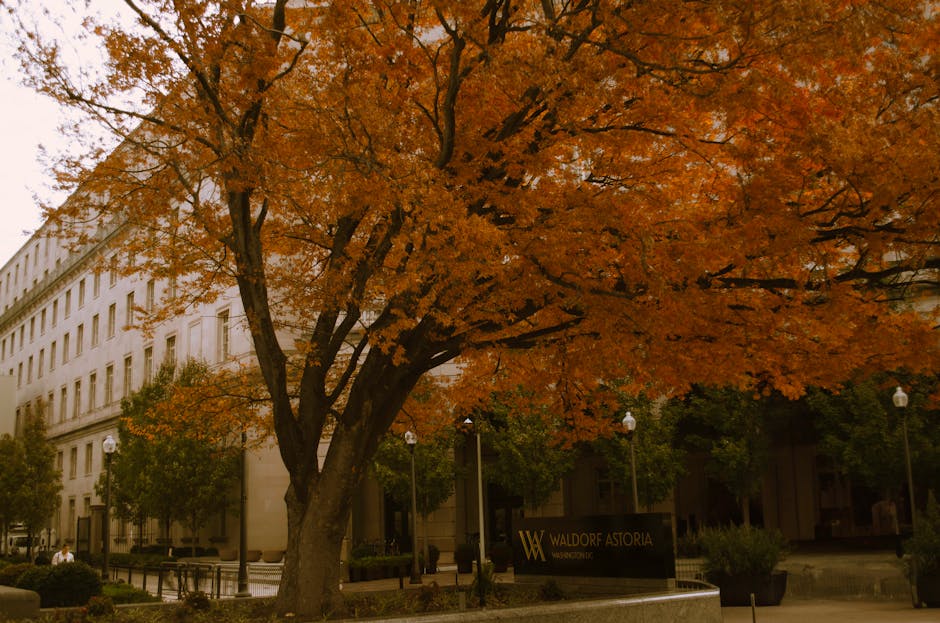
A Brief Tangent on Tea Sets and Yorkshire Puddings
Speaking of history, this brings me to a slight obsession of mine that drives my wife up the wall: bone china. If you go to The Peninsula for their festive afternoon tea (a prelude to the main event), you’ll notice the teaware. It is exquisite. Since moving here, I’ve spent countless weekends scouring the antique markets at Dongtai Road (before it was demolished) and now the hidden shops near Fuxing Middle Road, hunting for vintage British tea sets that somehow ended up in Shanghai in the 1930s. There is a tragedy in finding a perfect 1920s Wedgwood saucer without its cup. It keeps me up at night.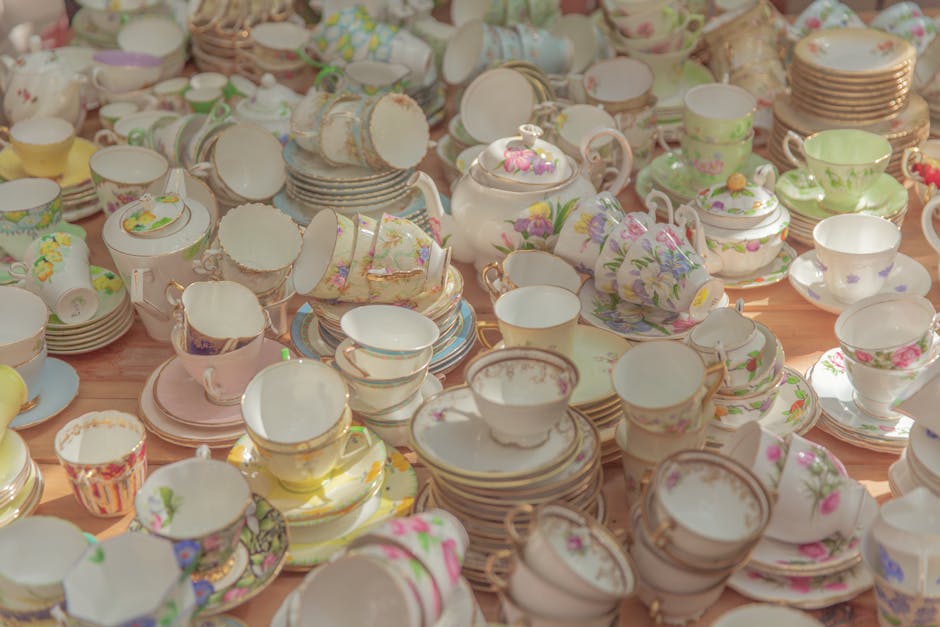
Tip: If you are attempting a DIY roast at home, buy imported flour. The gluten structure in local dumpling flour is designed for elasticity (perfect for wrapper skin), not the crisp puff required for a Yorkie.
The Peninsula’s kitchen seems to have cracked the code, likely by importing ingredients that I can’t source at my local wet market. If their scones are the structural benchmark—crumbly yet firm—their roast beef should hold up. I’m seeing menus listing Wagyu beef for the main course this year. Is Wagyu traditional for Christmas? No. Will I complain? Absolutely not.
Is the Pudong Side Worth the Trek?
Here is a question I ask myself every year: Is it worth crossing the river to the concrete jungle of Lujiazui for a roast, when Puxi has all the history? To get there, you'll likely need to navigate the subway. If you aren't familiar with the system yet, have a quick look at my guide on Mastering the Shanghai Metro, because Line 2 on Christmas Eve is a contact sport. I’m looking at the offering from the Ritz-Carlton Shanghai, IFC this year. Their restaurant, Scena, is offering a 5-course set dinner. The Data: Location: 52nd Floor Price: ~1,388 RMB (£158) View: The entire Bund skyline SmartShanghai listings confirm that you are paying a "View Premium" of roughly 300 RMB compared to similar menus on the ground. Is it worth it? For a newcomer, yes. Here is my logic: In your first year or two in Shanghai, you likely live in a modern apartment that feels a bit sterile. You probably haven't bought enough Christmas decorations to make it feel festive. By going to the Ritz, the city becomes your decoration. You are outsourcing the atmosphere to the skyline. Plus, the Italian influence at Scena means the "roast" often comes with a side of pasta or risotto. It’s not traditional, but let’s be honest, carbohydrates are international.Practical Logistics: Booking, Deposits, and Dress Codes
Right, putting my analyst hat back on. If you are reading this and haven't booked yet, stop reading and pick up the phone. The "Shanghai Dumpling House" approach of just showing up and waiting for a table does not work for Christmas luxury dining. Booking Window: Most prime slots (7:00 PM - 8:00 PM) are gone by December 10th. If you are booking now (mid-December), be prepared for the 5:30 PM or 9:00 PM seating. Deposits: Almost all 5-star venues will require a deposit. This is usually done via WeChat Pay or Alipay. If you are fresh off the boat and only have your UK Visa card, this is a pain point. Action: Get a friend with WeChat Pay to transfer the deposit for you and pay them cash. Do not try to argue with the reservation staff about credit card holds over the phone; it won’t work. Dress Code: "Smart Casual" in Shanghai is a trap. For locals, this might mean designer streetwear that costs more than my car. For us Brits, it means a collar. Don't wear trainers to the Waldorf, even if they are 'fashion' trainers.
Health & Safety: While Shanghai is currently stable, large gatherings are still subject to health code checks. Ensure your Alipay Health Code is green before you leave the house. See the GOV.UK Foreign Travel Advice for the latest stance on large indoor gatherings.
My Christmas Evolution: From Convenience Store to Five-Star
I think it’s important to share my timeline of failure so you don’t have to repeat it. 2015: I didn't realise you had to book. everywhere was full. I ate oden (stewed skewers) from a FamilyMart on West Nanjing Road. I sat on the curb, freezing, eating a radish that tasted like fish stock, while calling my mum on Skype. It was grim. 🍢 2017: The "DIY Disaster". I lived in a lane house with a tiny countertop oven. I bought a 4kg turkey. The oven capacity was 20 litres. I ended up dismembering the bird and roasting it in shifts. We ate the legs at 6 PM and the breast at 9 PM. The gravy was lumpy. Yan still brings this up in arguments. 2019: The Breakthrough. Our daughter Mia was a toddler. We needed high chairs. We needed noise tolerance. We went to the Jing'an Shangri-La buffet at Café Liang. This was the game changer. Buffets in Shanghai hotels are not the sad affairs you find in British service stations. They are temples of excess. Fresh seafood, three types of roast carving stations, and crucially: someone else does the washing up. For families, I cannot recommend the buffet route enough. The "Cost per Calorie" ratio is unbeatable, and when your child inevitably throws a Yorkshire pudding on the floor, the staff just smile and bring you a new one.
The Verdict: Pub Atmosphere vs. Hotel Luxury
There is a common misconception among the British community here that a "real" Christmas can only happen in a pub—places like The Shed or The Camel (RIP to the old locations). Don't get me wrong, I love a pub roast. It’s rowdy, there’s usually football on, and it feels like home. But for Christmas Day itself? I argue for the hotel. Shanghai's luxury hotels often employ Executive Chefs who are actually British or European, and they have the supply chains to import the ingredients that smaller pubs simply can't afford or store. When you order a roast at the Waldorf or the Peninsula, you aren't just getting food; you are getting a logistical miracle on a plate. Here is my final breakdown for the analytical minds:| Factor | Local Pub Roast | Luxury Hotel Roast |
|---|---|---|
| Price (Approx) | 250 - 400 RMB | 800 - 1500 RMB |
| Gravy Viscosity | Variable (Bisto-esque) | Consistent (Jus-style) |
| Nostalgia Index | High (Feels like a Sunday) | High (Feels like Downton Abbey) |
| Chance of Yorkshire Pudding Failure | Moderate | Near Zero |
Comments
Comments are currently closed. Have feedback or a question? Reach out through the contact info on the About page.