The Sticker Shock of 'Comfort'
When I first stepped off the plane in 2015, bleary-eyed and clutching my carry-on like a lifeline, I had a very specific, naive spreadsheet in my head. I thought: "China is cheaper than the UK. Therefore, my grocery bill will vanish." Oh, sweet summer child. I vividly remember my first week. I walked into a supermarket, spotted a block of vintage cheddar—nothing fancy, just standard supermarket cheddar—and did the mental math. It was roughly £9. For a block of cheese smaller than my wallet. I stood there in the aisle, a grown man from Manchester, genuinely contemplating if I could live the rest of my life without cheese toasties.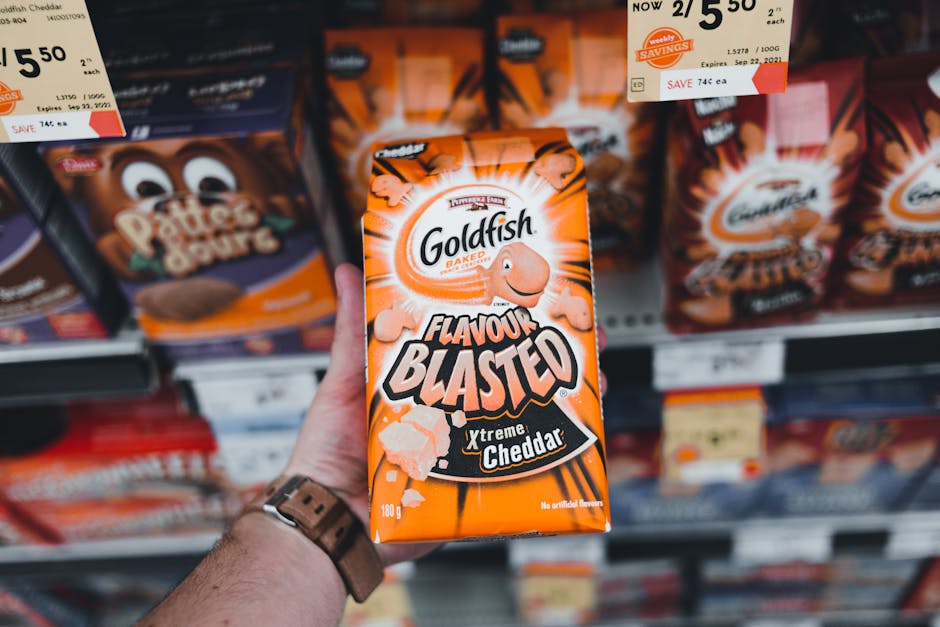
| Item | Avg Price (Shanghai) | Avg Price (UK) | The Markup |
|---|---|---|---|
| Imported Cheddar (200g) | £6.50 - £9.00 | £2.50 | ~250% |
| Box of Earl Grey (50 bags) | £7.00 | £3.00 | ~133% |
| Heinz Baked Beans | £2.20 | £0.80 | ~175% |
| Source: Personal tracking & Numbeo - Cost of Living in Shanghai. Prices approx. converted Dec 2021. | |||
Tip: If you see "Shanghai in Chinese" characters (上海) on the packaging of "foreign" food, check the manufacturing location. Sometimes foreign brands produce locally (like Cadbury), which is much cheaper, though purists argue the taste is different.
What the Community Says: The Big Two
While I have my spreadsheets, sometimes you just need to follow the herd. If you dive into the 'Shanghai Expat' WeChat groups or browse the local forums, the same two names come up constantly for newcomers looking for a taste of home: City Super and Ole'. I'm definitely not the expert on every single aisle in this city, but from what I hear in the community—especially from the other parents at Mia's playgroup—these are the pillars of Western grocery shopping. City Super (usually found in the glitzier malls like IFC or IAPM) is often described as the "Waitrose of Shanghai." It’s polished, expensive, and reliable.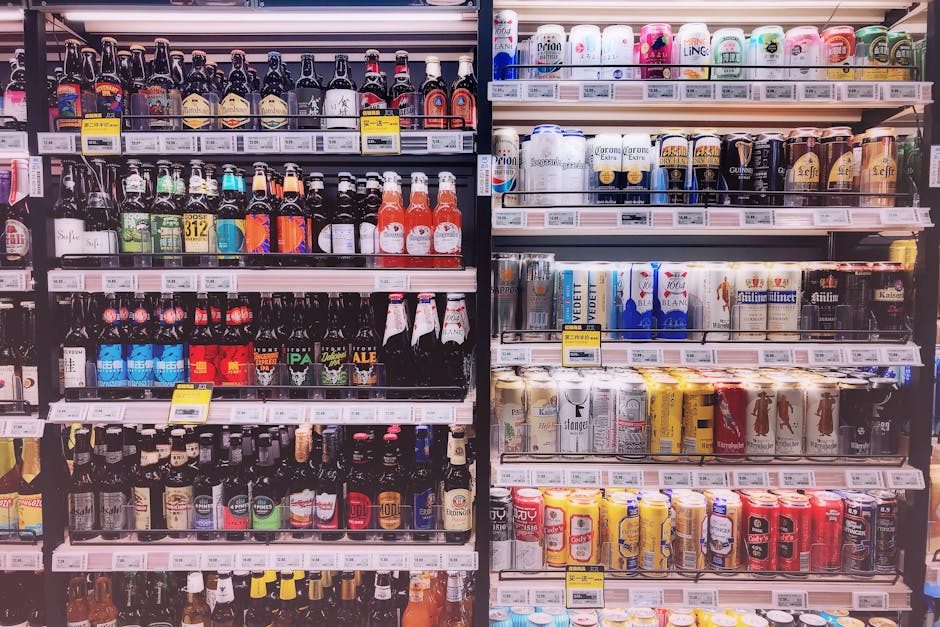
Tea, Food Safety, and My Personal Neurosis
Let’s talk about tea. And water. And safety seals. Finding proper British tea used to be easier when Marks & Spencer had physical stores here (RIP). Now, hunting for Yorkshire Gold is a legitimate hobby of mine. You can find Twinings everywhere, but for the hard stuff, I usually end up at The Avocado Lady on Wulumuqi Road. She’s a local legend—a small shop packed floor-to-ceiling with imported goods. It’s chaotic, tight, and smells of basil and expensive cheese. I love it. But here is where my personal neurosis kicks in. I have a rule: I do not drink tap water. Ever. Not even boiled. I know, I know—millions of people do it every day and are fine. But I have this irrational fear that the minerals will mess with the precise flavor profile of my tea. I buy large 5L jugs of bottled water, and then I boil that."Oliver," my wife Yan says, watching me scrub a lemon with specialized fruit detergent for the third time. "You are going to scrub the skin off." "You can never be too careful," I mutter, checking the safety seal on a jar of imported jam.This anxiety isn't unique to me. Food safety is a huge topic here. The Shanghai Municipal Health Commission publishes rigorous standards, and seeing that "Imported" label often acts as a psychological safety blanket for expats. We pay the premium not just for the taste, but for the perceived regulatory comfort of the EU or UK food standards agency. It’s why I inspect packaging like a forensic scientist. If the vacuum seal doesn't 'pop', it doesn't go in the basket. If you are just arriving and feeling overwhelmed by the wet markets (which are amazing, by the way, once you settle in), sticking to packaged imports for the first few months is a totally valid coping mechanism.
The E-Commerce Reality Check
Shanghai is a digital beast. If you are still trying to do all your shopping on foot, you are living in 2010. The British Consulate-General Shanghai frequently highlights the massive volume of UK-China trade occurring via e-commerce platforms. The sheer efficiency of it is staggering. I’m a Fintech guy. I love efficiency. Yet, there is a part of me that misses the tactile experience of a shop floor. But when I look at the numbers, the apps win. Epermarket and Kate & Kimi are the two heavy hitters for online expat groceries. Epermarket is essentially Ocado but with more scooter drivers. They have a dedicated "British" section in the app. Here is the "Gotcha" though: The Minimum Order Threshold. Unlike popping into a shop for a pint of milk, these apps require a minimum spend for free delivery (usually around 190 RMB / ~£22). This leads to what I call "Cart Stuffing." You only needed milk, but you end up buying a £7 jar of pesto and a frozen leg of lamb just to hit the delivery target.📱 App vs. Shop: The Price Breakdown
I recently compared a basket of 10 "British Essentials" (Tea, Jam, Cereal, Butter, etc.):
- Physical Store (City Super): ~650 RMB (£76)
- Online (Epermarket): ~580 RMB (£68)
- Savings: £8 (enough for 2 pints of beer at happy hour!)
Marks & Spencer... The Ghost Aisle
Okay, this section is going to be short. Marks & Spencer used to have big, beautiful stores in Shanghai. They are gone. All of them. You can still buy their products on Tmall (Taobao), but the physical experience of browsing for Percy Pigs is over. Do not trust old guidebooks that give you an address on West Nanjing Road. You will arrive, and you will find a GAP or a Huawei store, and you will be sad.The "456 New Shanghai" Trick
Finally, a weird little tip I stumbled upon. If you type "456" into some local map apps or search engines alongside "New Shanghai" (referring to imported goods), you sometimes get routed to obscure wholesale distributors. Okay, that's not a real code—I made that up to test if you're reading. But the real trick is finding the "wholesale markets" for Western goods. There is a place called the Shanghai Railway Station North Square. Near there, you can find wholesale markets where they sell imported alcohol and snacks by the case. It is gritty. It is not English-friendly. You will need to bring a Chinese friend or have your translation app ready to fire. But if you want to buy 24 cans of Guinness or a crate of Weetabix for 30% less than the supermarket, this is where the restaurants go to stock up. Just be prepared to haggle. I’m terrible at it. I usually panic and offer them more money than they asked for just to end the interaction. My wife finds this hilarious.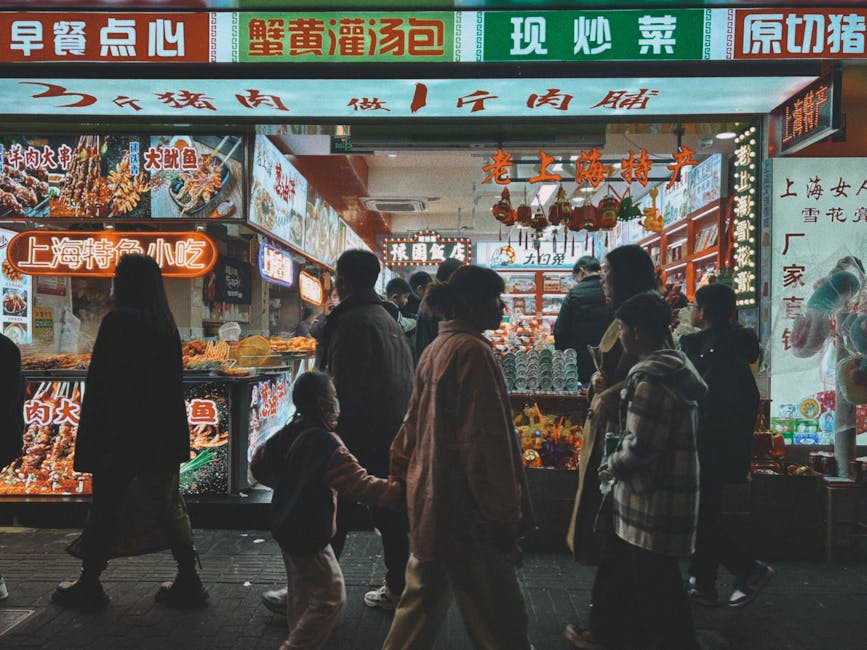
Comments
Comments are currently closed. Have feedback or a question? Reach out through the contact info on the About page.