From Nescafé to Nitrogen-Infused Cold Brew
Walking down Wukang Road (武康路) on a crisp Saturday morning feels less like being in China and more like stumbling onto a film set for a hipster reboot of Downton Abbey. But instead of Earl Grey, everyone is clutching minimalist paper cups. There’s a specific spot—Plusone Coffee—tucked near the intersection where the line snakes out the door. It is filled with 20-somethings dressed in streetwear that, by my quick calculation, costs more than the Vauxhall Corsa I drove back in Manchester. The smell of freshly ground single-origin Ethiopian beans wafts out, fighting a losing battle against the exhaust fumes of a passing Ferrari.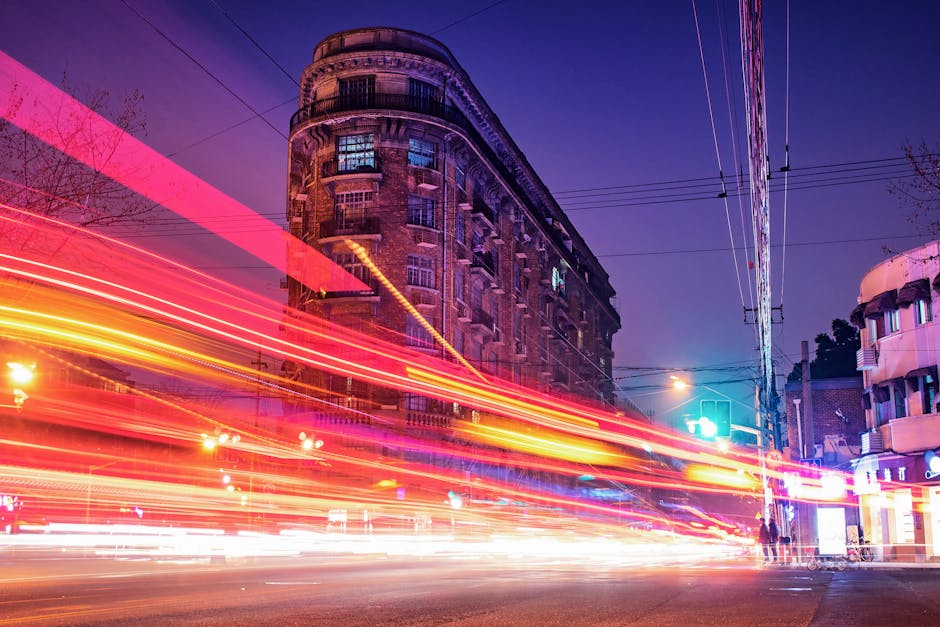
The Economics of the Bean
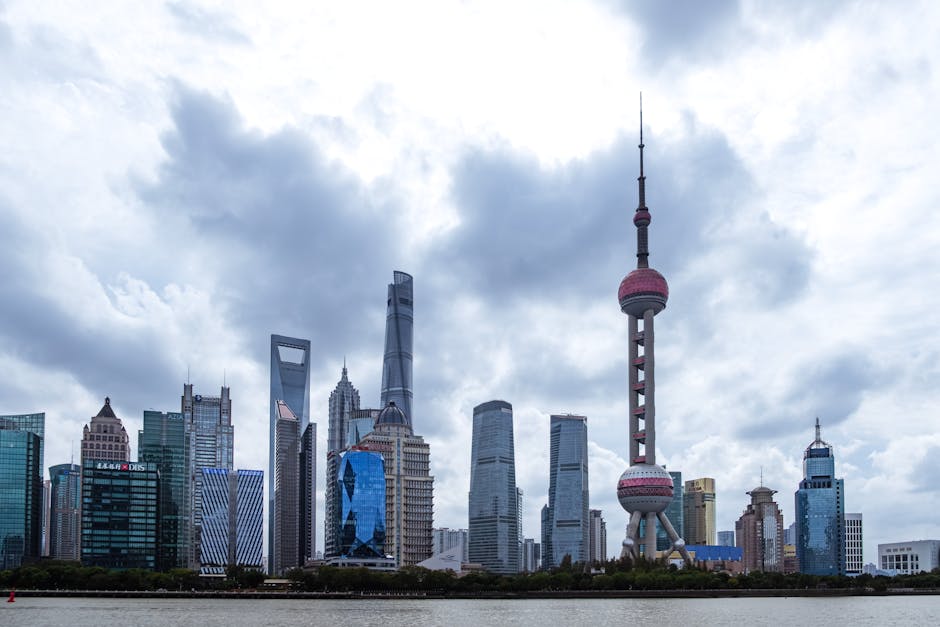
This explosion goes beyond taste preferences; it is a hard economic signal. Data from the National Bureau of Statistics of China (NBS) - Annual Report regarding retail sales illustrates a massive pivot toward the service sector and lifestyle consumption over the last decade. As urbanization rates climbed, the "third place" (not home, not work) became a necessity for the rising middle class. The numbers back this up. According to the National Bureau of Statistics of China (NBS) - Monthly Data, disposable income in tier-1 cities has outpaced inflation consistently, allowing premium beverages to shift from an occasional treat to a daily habit. Coffee has become the fuel of the "Shanghai Time" pace—relentless, fast, and expensive. If the espresso machines in Lujiazui broke down tomorrow, one suspects the Stock Exchange might halt trading within the hour.Who is Actually Drinking All This?
While the stereotype suggests expats are driving the boom, market analysis shows the consumption is overwhelmingly local. This shift is partially historical, seeded by a massive demographic of returnees. The Ministry of Education of the PRC statistics on international students show millions of Chinese nationals returning from abroad over the last ten years. They brought the café habit back from London, Melbourne, and New York, but the local market took that habit and injected it with steroids to fit the Shanghai 21st-century aesthetic. Recruitment trends also point to coffee as a professional standard. The Hays Asia Salary Guide highlights the increasing specialization within the F&B and Retail sectors. Being a barista is no longer just a stop-gap job for students; it has evolved into a career path with competitive salary bands for head roasters and operational managers.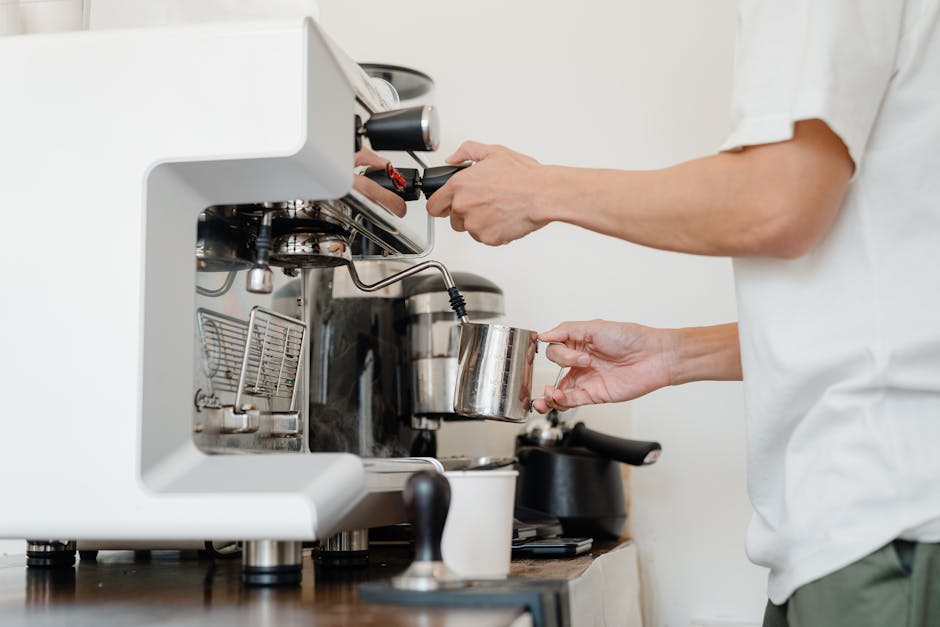
The Manchester Tea vs. Shanghai Latte Dilemma
I have a confession. Despite being a proud Mancunian, and despite currently owning seventeen vintage tea sets (my wife, Yan, has threatened to start storing them in the bathroom if I bring another one home), I drink more coffee than tea these days. It feels like a betrayal. I moved to the birthplace of tea only to get addicted to roasted bean juice. But there is a tension here. Tea demands patience. You sit, you rinse the leaves, you steep, you pour. It requires you to stop. This city refuses to stop. Sometimes I look at my unwashed French press sitting on the counter next to a delicate Yixing clay teapot and feel a profound sense of cultural dissonance. I am literally paying £4 for a cup of oat milk latte while sitting on a goldmine of Dragon Well tea that I'm too "busy" to brew. It makes me want to scream. We are all just running on treadmills hoping the caffeine kicks in before the burnout does.The Cost of Caffeine: A Breakdown
Let’s get the spreadsheet out. You know I can’t write a post without converting everything to GBP. It’s a sickness, I know, but I need to see the value. I wanted to see if coffee is actually affordable for the average earner here, or if it’s a bubble. I compared three tiers of coffee shops in my area (Jing'an district) and cross-referenced the prices.Tip: Always check the "cup volume" (杯量) when comparing prices. Some "Large" cups here are barely 350ml, which is a "Tall" back home. I call this the "Shanghai Shrinkage."
The Sterling Index: Cost of a Standard Latte (March 2023)
| Coffee Tier | Representative Brand | Price (RMB) | Price (GBP)* | Value Verdict |
|---|---|---|---|---|
| The Global Chain | Starbucks | ¥33 | £3.95 | Safe, but daylight robbery. |
| The Local Giant | Luckin Coffee (Manner fits here too) | ¥18** | £2.15 | Winner. Best caffeine-per-pound ratio. |
| The Boutique | Independent (e.g., O.P.S.) | ¥45+ | £5.40+ | Luxury status symbol. Only on pay day. |
Comments
Comments are currently closed. Have feedback or a question? Reach out through the contact info on the About page.