The 6:00 AM Community Group Buy: An Introduction to Shanghai Speed
My iPhone buzzing against the mahogany nightstand at 5:58 AM used to be a cause for alarm. Back in Manchester, a call at that hour meant bad news. Here in Shanghai, six years into my life as an expat, it just means the Yangshan peaches are about to drop. My wife, Liu Yan, is already awake, her face illuminated by the blue light of WeChat. "Oliver, wake up. The group buy (tuan gou) starts in two minutes. If we miss this batch, we don't get the premium ones." This is Shanghai time. It is a concept that has nothing to do with time zones and everything to do with velocity. When I first arrived in 2015, fresh from the UK and clutching a guidebook that was already three years out of date, I treated Shanghai like London: polite, orderly, wait-your-turn. I quickly learned that while queuing is a sport in Britain, speed is a religion here. The scale of the competition for resources is what shocks you first. According to the National Bureau of Statistics - Shanghai Data, this municipality holds over 24 million people. To put that in perspective for my mates back home: imagine squeezing roughly a third of the entire UK population into an area slightly larger than Devon.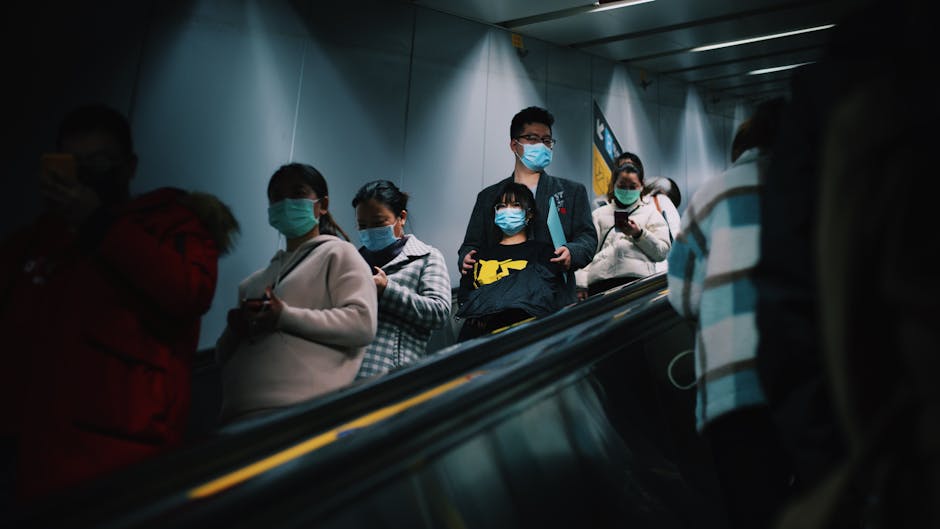
Tip: If you plan to live here, get WeChat immediately. Your life literally cannot function without it. It is your wallet, your ID, your social circle, and your grocery store.
Visa and Entry: Get Your Paperwork Right Before You Eat
Before we get to the dumplings (and trust me, we will get to the dumplings), we need to talk about the gatekeeping. You cannot enjoy the best China Shanghai food if you are stuck at Pudong International Airport because your paperwork doesn't match your passport. I am a financial analyst, not an immigration lawyer, but I have renewed my residence permit enough times to know the drill. The rules are binary. There is no "having a chat" with the officer at the border. Crucial Checklist for Brits: Passport Validity: Your passport must have at least 6 months remaining validity at the time of entry. I have seen a colleague turned away because he had 5 months and 28 days. The Z Visa: If you are coming here to work (like I did for my Fintech gig), do not try to enter on a tourist (L) visa with the intention of "sorting it out later." That is a path to deportation. You need the Z visa, which requires a work permit notification letter from your employer before you fly. For the absolute latest specifics—especially given how volatile travel regulations have been recently—you must consult the GOV.UK Foreign Travel Advice. It is the only source I trust completely.Note regarding Health Codes: Since 2020, entry also requires generating a Health Code (green QR code). This system is linked to your phone number and passport. Ensure your name on the app matches your passport exactly—including middle names. If your passport says "Oliver James Sterling" and you type "Oliver Sterling," the system will reject you.
Jia Jia Tang Bao and the Art of the Dumpling Spreadsheet
Now, to the reason I stay. My first week in Shanghai, I stumbled into a shop on Huanghe Road called Jia Jia Tang Bao. It was humid, loud, and smelled aggressively of black vinegar and pork fat. I didn't speak a word of Mandarin then. I just pointed at what the table next to me was eating. What arrived was a steamer basket of xiaolongbao (soup dumplings). The skin was translucent, almost impossibly thin, holding a slouching pocket of hot soup and meat. I bit into one immediately, burned my tongue so badly I couldn't taste anything for three days, and fell in love. Since then, I have developed what Liu Yan calls "an unhealthy obsession" and what I call "The Sterling Dumpling Index." Yes, I have an Excel spreadsheet. It currently has 42 entries.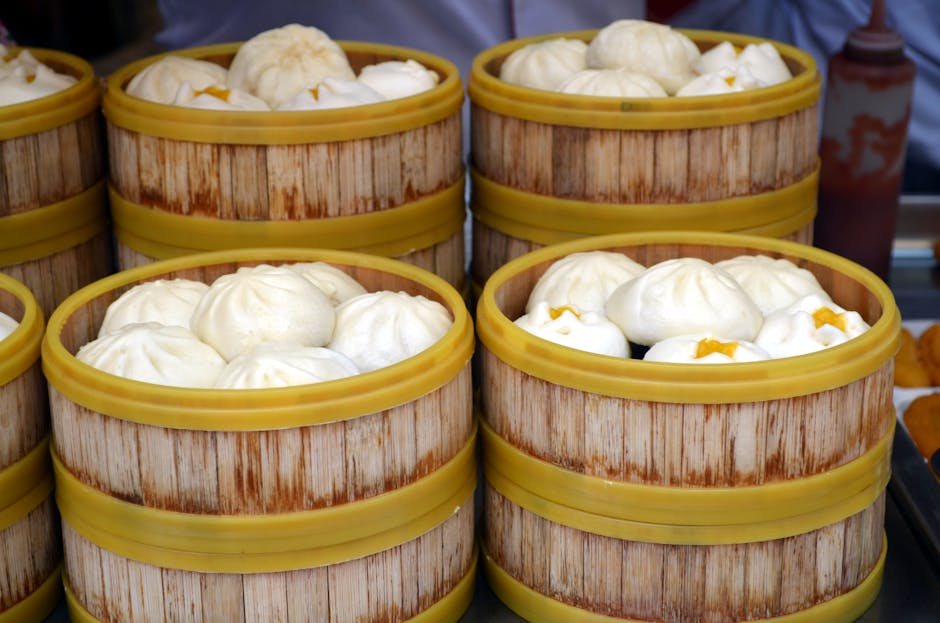
The 'Expensive City' Myth: London vs. Shanghai Prices
There is a persistent myth in the UK that Shanghai has become "just as expensive as London." This is only true if you insist on living exactly as you did in London. If you buy imported cheddar cheese, drink craft beer at The Bund, and only eat at Western restaurants, you will indeed burn through a salary faster than you can say "inflation." However, if you live slightly closer to the ground, the economics are startlingly different. I pulled the latest data from Numbeo Shanghai to verify my own spending tracking. As of mid-2021, the cost of a three-course meal for two people at a mid-range restaurant in Shanghai averages around 300 RMB. Let's do the math (at today's rate of approx. 8.9 RMB to £1): Shanghai: £33.70 for a solid dinner for two. London: You'd be lucky to get a main course and a drink each for that. The "Expat Tax" is real, but it's self-inflicted. When I first moved here, I spent £6 a day on coffee because I went to the big international chains. Now, I drink the local Manner Coffee for 15 RMB (£1.70). It's arguably better. However, rent is the equalizer. A decent two-bedroom apartment in the Former French Concession can easily run 15,000 RMB (£1,685) a month. It's not cheap, but compared to Zone 1 or 2 in London, you get more space. The key is to avoid the "foreigner-only" compounds and look where the locals live.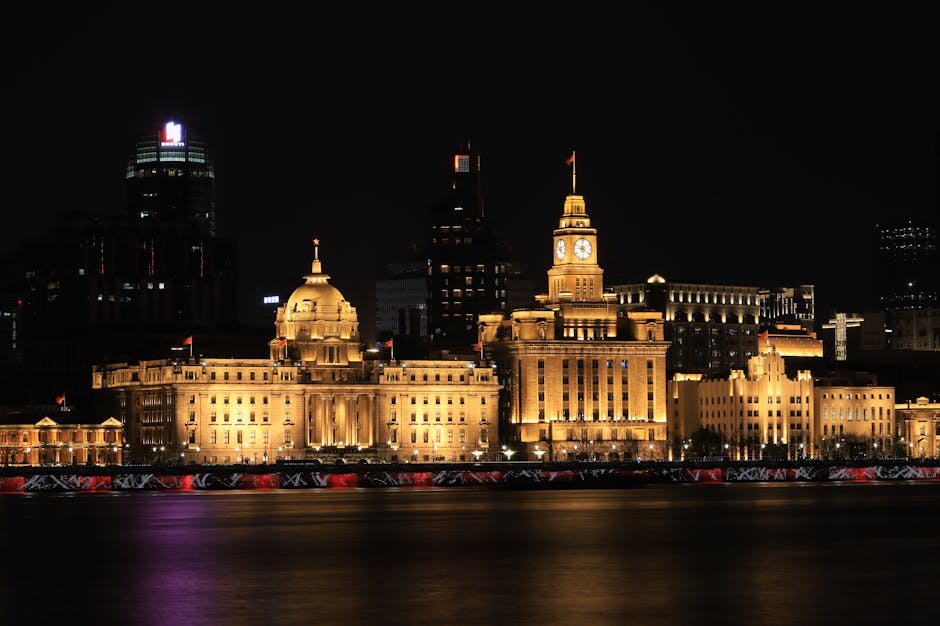
Navigating Healthcare: When the Dumplings Hit Back
It is all fun and games until you—or worse, your child—gets sick. Last winter, Mia spiked a fever of 39°C. In the UK, I’d ring the GP and maybe get an appointment next Tuesday. Here, panic set in. We rushed to a "VIP Ward" of a public hospital. China’s hospital system is tiered. You want a Grade 3, Class A (San Jia) hospital. These are the top-tier facilities. According to the National Health Commission (NHC), foreigners have access to the public system, but be warned: the public wards are chaotic, loud, and privacy is non-existent. The Solution: International Departments (Guoji Bu) Most major public hospitals in Shanghai have an "International" or "VIP" wing. Pros: English-speaking doctors, private rooms, less queuing. Cons: You pay upfront. A consultation can cost 300-800 RMB (£33-£90) before medicine. The Gotcha: Many travel insurance policies cover this, but you often have to pay cash first and claim back later. I keep a dedicated "medical emergency fund" in my Alipay account for this exact reason. The pharmacy situation is also different. You can buy antibiotics over the counter in some places (though this is tightening), but for anything serious, you need a hospital prescription. And no, you cannot just drink the hot water and hope for the best, despite what every local grandmother tells you. If you are worried about environmental factors affecting your health, check out my analysis on Air Quality Data comparisons.Fiscal Reality: Income Tax and Financial Structure for Expats
Note: I am a financial analyst, but this is for information purposes, not professional tax advice. Let's switch off the foodie brain and turn on the finance brain. If you are working in Shanghai, understanding the Individual Income Tax (IIT) is non-negotiable. China operates on a progressive tax rate system, similar to the UK, ranging from 3% to 45%. However, the calculation method for expats has shifted recently. The State Taxation Administration (STA) clarifies that if you are a tax resident (spending more than 183 days in China in a tax year), you are taxed on your global income, though there are exemptions for the first six years (the "six-year rule"). The 183-Day Rule: If you are here for 183 days or more in a calendar year, you are a tax resident. This matters for your tax liability back in the UK as well due to double taxation treaties. Tax-Exempt Benefits: This is the golden ticket for expat families. Currently, certain benefits provided by your employer are exempt from IIT. These typically include: 1. Housing rental 2. Children's education fees 3. Language training fees 4. Home leave flights Important Warning: There has been talk for years about phasing these exemptions out. As of writing this in August 2021, they are still valid, but you must ensure your HR department structures your contract correctly. A salary of 30,000 RMB flat is taxed heavily. A salary of 15,000 RMB + 15,000 RMB housing allowance results in a significantly higher net income.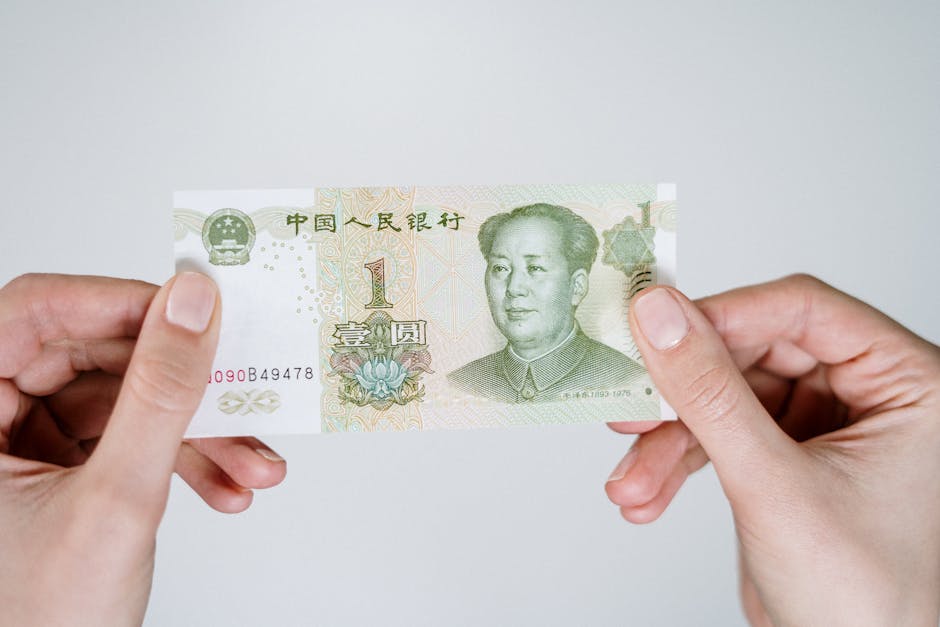
From Tourist to Resident: A Timeline of Integration
Living in Shanghai is a psychological progression. It doesn't happen overnight. Month 1: The Honeymoon You convert everything to pounds and laugh. "A taxi across the city is £4? Incredible!" You eat dumplings for breakfast, lunch, and dinner. You take photos of the skyline every night. You ignore the fact that you can't read your electricity bill. Month 6: The Wall This is where many people break. I remember standing in a bank, screaming internally because I needed a specific red stamp (fapiao*) to get reimbursed for a train ticket, and nobody could explain why. You realize the internet restrictions (The Great Firewall) are not a quaint quirk but a daily hindrance to your workflow. You miss cheddar cheese. You miss queuing. You miss silence. Year 6 (Today): The Equilibrium I don't know exactly when it happened, but Shanghai stopped being "foreign" and started being "home." I now scan QR codes faster than I can write my own name. I know which lane of the Yan'an Elevated Road moves fastest at 8:00 AM. I still refuse to drink the tap water—I'm not insane—but I have accepted that boiling it doesn't remove the heavy metals, so we buy big blue 19L jugs like everyone else. There is a specific chaos to this city that becomes addictive. It’s the energy of 24 million people trying to get ahead simultaneously. It’s exhausting, yes. But then, on a Tuesday morning, my phone buzzes at 6:00 AM for fresh peaches, or I find a new dumpling shop where the soup is perfectly seasoned and costs pennies, and I realize I wouldn't want to be anywhere else. I still honestly don't know if the tap water will ever be safe to drink straight from the faucet. Does anyone?
Comments
Comments are currently closed. Have feedback or a question? Reach out through the contact info on the About page.