The PVG Hotel Matrix: Luxury vs. Layover Logic
If you are reading this, you are likely staring at a confirmation email for a flight into Shanghai Pudong International Airport (PVG), or perhaps you’ve just cleared immigration and realized that 30kg of luggage doesn't move itself. As a financial analyst, I live my life in spreadsheets. When my wife, Liu Yan, asks where we should go for dinner, I usually have a pivot table ready. So, naturally, when fellow Brits ask me where to stay near the airport to tackle the dreaded "Health Check" the next morning, I don't just give a name. I give them a matrix.
Choosing a hotel here is a game of trade-offs between distance, price (which I will obsessively convert to GBP because old habits die hard), and the quality of the breakfast buffet—which is critical for morale. Here is the breakdown based on the current landscape near PVG.
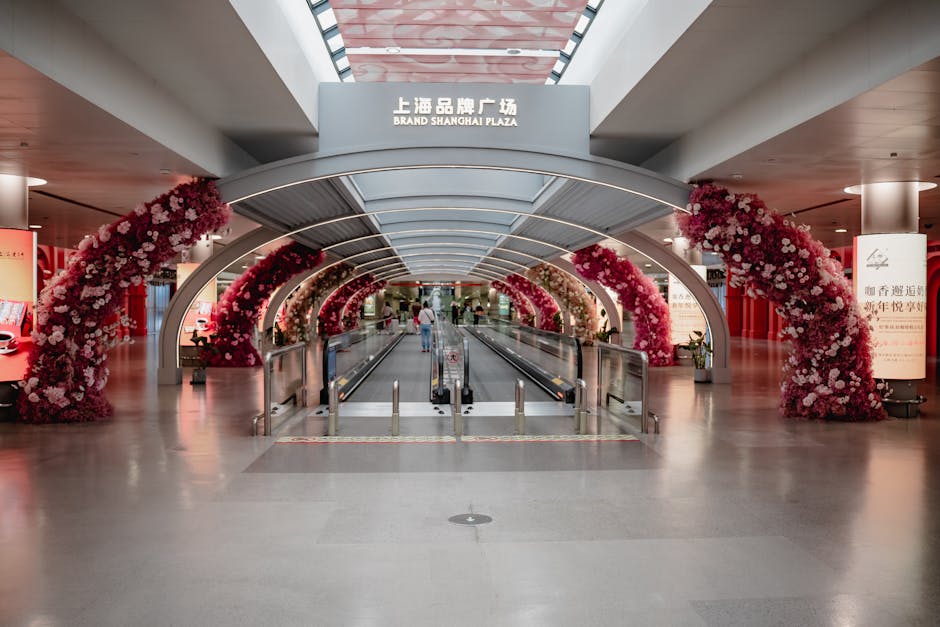
| Category | Hotel Example | Est. Price (RMB/GBP) | Pros | Cons |
|---|---|---|---|---|
| The 'Splash Out' | Ramada Plaza Shanghai Pudong Airport | ~850 RMB (£100) | Proper 4-star comfort; excellent shuttle service; decent English literacy at reception. | Pricey for a short stay; can feel a bit dated (think 1990s business chic). |
| The 'Sleep-Walk' | Da Zhong Airport Hotel | ~450 RMB (£53) | Located inside the terminal (between T1 & T2). Zero commute. | Rooms are compact ("cozy"); soundproofing varies. |
| The 'Budget Spreadsheet' | Home Inn / Jinjiang Inn (Airport Branch) | ~200 RMB (£23) | Extremely cheap; functional; reliable Wi-Fi. | Further out (requires shuttle); breakfast is usually just congee and pickles (which I love, but you might not). |
Source: Shanghai Airport Authority regarding terminal locations. Prices approximate as of Dec 2021.
My First 24 Hours: A Timeline of Confusion
I still remember landing in 2015. It was a humid Tuesday. I had two suitcases filled with Tetley tea bags (a rookie mistake; you can buy decent tea here, though Yorkshire Gold remains elusive) and a printed map that turned out to be three years out of date.
The reality of Shanghai's geography hits you about 45 minutes after you clear immigration. Manchester Airport is a hop from the city centre. Pudong (PVG), however, is situated on the coast, roughly 30km to 40km from the downtown Puxi area where most expats live. It is a trek.
"I remember standing at the taxi rank at 11:30 PM, calculating the fare in my head. A taxi to the city center is roughly £20. The Maglev stops running late at night. I chose to stay near the airport, and my body thanked me for it the next morning."
If you are arriving late, or if you are moving here and need to do the mandatory health check at the Shanghai International Travel Healthcare Center, staying in Pudong for that first night is strategic. Trying to navigate the Shanghai Metro with three large suitcases during rush hour is a rite of passage I recommend you skip.
According to the Shanghai Municipal People's Government transport overview, the distance from PVG to People's Square is approximately 45km. Do not underestimate this when you are jet-lagged.
The Grapevine: What Other Expats Say About the 'Health Check' Logistics
I'm no expert on the current fluctuating medical regulations—that's a job for your HR department—but based on what I hear in the community and seeing the chatter on local forums, the logistics of the "Health Check" (the medical examination required for your Residence Permit) are a common pain point.
The center is often located in areas that are not exactly next door to the Bund. For a long time, the main center was out in Changning, but branches and designated hospitals shift. Recently, many newcomers have noted that booking an appointment is the first hurdle (often done via WeChat), but the second hurdle is getting there on time for an 8:00 AM slot on an empty stomach.
From what I've gathered, staying in a hotel in the Pudong/Chuansha area (if your assigned center is the Pudong branch or near the airport logistics zone) is vastly superior to waking up at 5:30 AM in Puxi to commute against traffic. The "grapevine" consensus is clear: treat the Health Check like a military operation. Position your troops (you) near the battlefield (the clinic) the night before.
The Strategy: Connecting Your Stay to the Permit Process
Let’s cut the fluff. If you are here to work, your first week is not a holiday. It is an administrative steeplechase. Here is the order of operations I recommend to save your sanity:
- Step 1: The Landing Logistics. Book the Da Zhong or a nearby shuttle hotel for your arrival night. Do not try to reach downtown Puxi immediately if you land after 8 PM.
- Step 2: The Bureaucratic Commute. Check your appointment for the Health Check. If it's early morning, stay put in your airport hotel. Use a taxi (Didi or regular cab) to get to the center. It’s worth the £5 fare to not be sweaty and stressed.
- Step 3: The Permit Hub. After the medical is done, then move your luggage to your long-term hotel or apartment in the city. You will eventually need to visit the Entry-Exit Bureau (often the one in Pudong New Area or Minsheng Road).
For official requirements on what documents to bring, always cross-reference the Government Online-Offline Shanghai portal. Do not rely on blogs from 2018. Rules change faster than the weather in Manchester.
For British nationals specifically, keep an eye on GOV.UK Foreign Travel Advice regarding any changes to entry declarations.
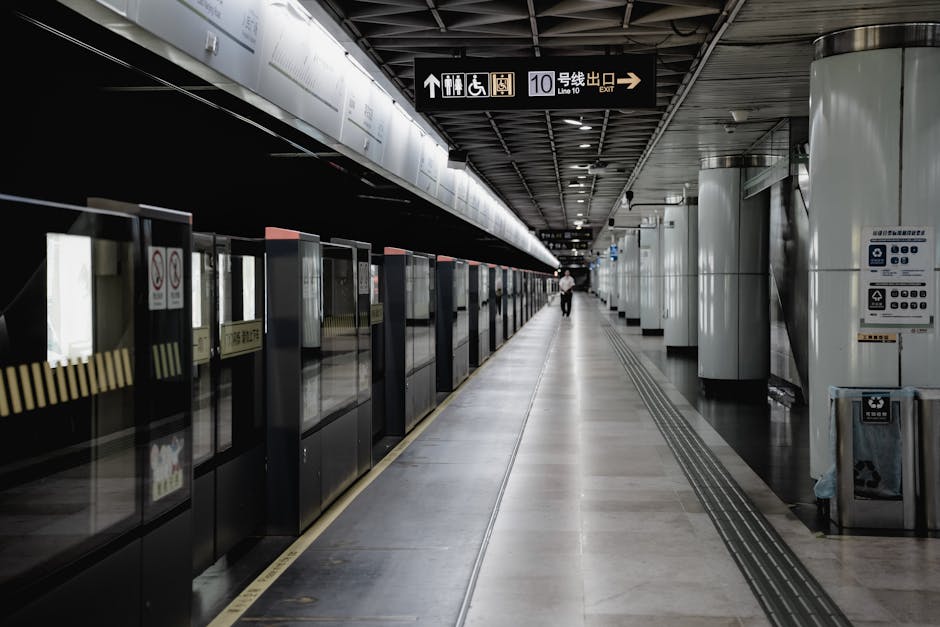
A Brief Ode to the Airport Convenience Store (and Tea)
I need to take a moment to discuss something deeply important to my heart: the FamilyMart (or Lawson) downstairs. When I first moved to China, I assumed I would be eating gourmet banquet food every day. The reality of that first week? I ate a lot of convenience store onigiri (rice balls).
There is a specific, fluorescent comfort in walking into a FamilyMart at 3 AM in the airport terminal. The "Ding-Dong" chime as the door opens is the soundtrack of modern Asia. For us Brits, the lack of fresh milk for tea in hotel rooms is a crisis. However, these convenience stores sell Suntory Oolong Tea (sugar-free). It’s not a builder’s brew, but it is cold, crisp, and keeps the caffeine headaches at bay.
Also, if you see a slow-cooker full of dark, cracked eggs bubbling away near the cashier—those are tea eggs (chayedan). Buy two. They cost about 2 RMB (20p). They are salty, savory, and arguably the best jet-lag cure in existence. I have a spreadsheet ranking the tea eggs of Shanghai, but that is a topic for another day.
Transit Data: Maglev vs. Metro Line 2 vs. Taxi
Forget the romance of travel; let’s look at the efficiency metrics. Once you are ready to leave the airport zone and head to the city center (Puxi), you have three main options. I have compiled this data to help you calculate the "cost per minute" of your journey.
| Mode | Cost (RMB / GBP) | Time to City Center | Notes |
|---|---|---|---|
| Taxi | ~180-220 RMB (£21-£26) | 45 - 90 mins | Highly dependent on traffic. Direct door-to-door. Essential if you have heavy luggage. |
| Maglev Train | 50 RMB (£6) / 40 RMB with ticket | 8 mins (to Longyang Rd) | Top speed 300km/h or 430km/h depending on time of day. Drops you at Longyang Rd (still need metro/taxi). |
| Metro Line 2 | ~7 RMB (£0.80) | 60 - 75 mins | Crowded. Cheap. Avoid during rush hour (7-9 AM, 5-7 PM) or you will become intimate with strangers. |
Data Verification: Shanghai Airport Authority schedules. Last verified: 2021-12-28.
My Verdict: If you are solo and light on bags, take the Maglev for the experience. If you have moved your entire life here in three suitcases, take a taxi. Don't be a hero for the sake of saving £15.
Chuansha: The Hidden Gem Behind the Airport
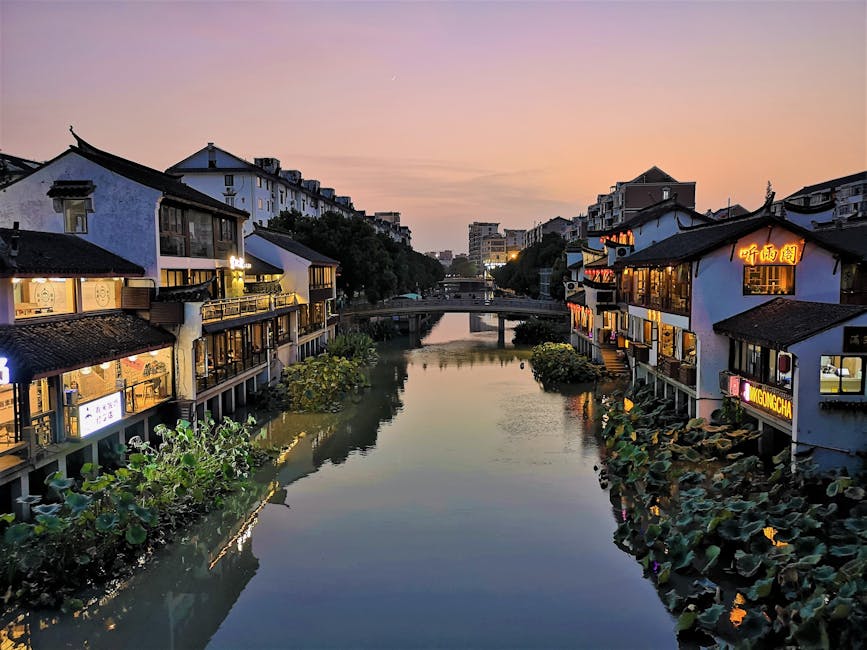
Finally, I want to let you in on a secret that took me three years to discover. Most people think the area around PVG is just concrete runways and logistics warehouses. They are wrong. Just one or two metro stops away (or a short taxi ride) is Chuansha.
Chuansha is actually an ancient town with a history going back hundreds of years—it even has a preserved city wall to ward off pirates from the Ming Dynasty (no, really). Why does this matter for your hotel choice? Because staying in Chuansha offers a "soft landing."
Instead of a sterile airport hotel, you can book a place like the Royal International Hotel Shanghai (in Chuansha) or a smaller boutique inn. You get to step out of your hotel and immediately see real Chinese life—grandmas dancing in the square, small shops selling dumplings, and canals.
There is a specific dumpling shop near the old wall where the xiaolongbao (soup dumplings) are half the price of downtown and, dare I say, juicier. Staying here puts you 15 minutes from the airport/health check zone but gives you a taste of the culture immediately. It’s also significantly cheaper than downtown. For a financial analyst who loves dumplings, this is the optimal coordinate on the map.
Comments
Comments are currently closed. Have feedback or a question? Reach out through the contact info on the About page.