The 431km/h Dilemma: Speed vs. Convenience
You’ve just landed at Shanghai Pudong International Airport (PVG). You’re jet-lagged, your knees hurt from the 11-hour flight from London, and you’re staring at a bilingual sign that offers two very different realities. To the left: the Taxi queue and the Metro. To the right: the Maglev (Magnetic Levitation) train. It is the classic newcomer’s dilemma, one I faced the moment I touched down in 2015 with two suitcases and zero Mandarin. The Maglev promises to whisk you away at speeds that make British Rail look like a horse and cart—431 km/h (approx. 267 mph). It covers 30km in just over 7 minutes. However, there is a catch that the shiny brochures don’t highlight in bold: the Maglev does not go to the city center. It dumps you at Longyang Road station, which, while technically in Pudong, is still a significant distance from the Bund or the French Concession.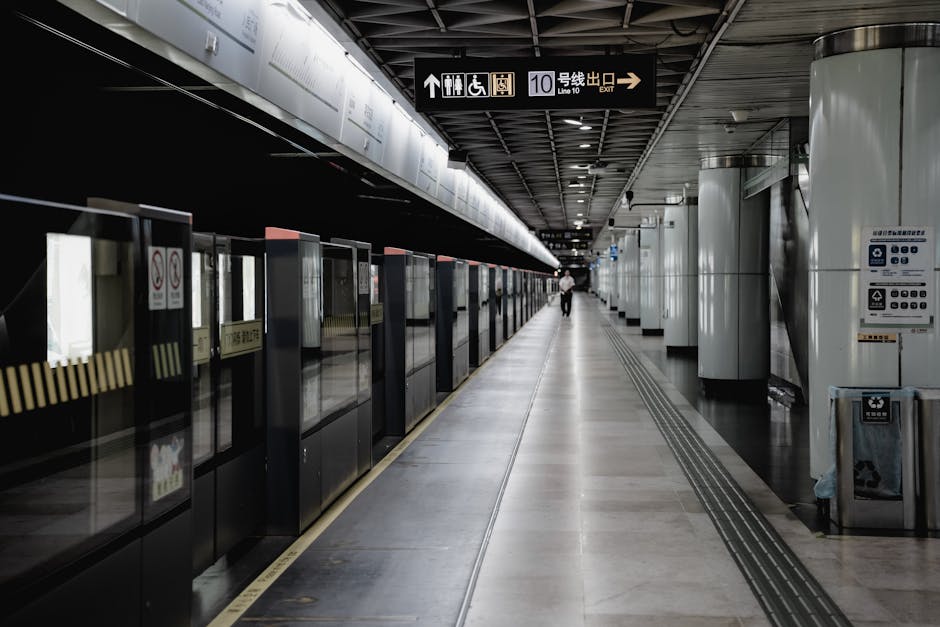
Engineering Marvel: The Hard Numbers
Let’s strip away the emotion and look at the spreadsheet. The Shanghai Maglev is the world’s first commercial magnetic levitation line. It was approved back in the early 2000s and has been operating commercially since 2004. According to The State Council of the PRC, the line was designed to showcase high-tech urban transport capabilities. It essentially floats on a magnetic field, eliminating friction. But for the traveler, the specs are what matter. I’ve broken down the key data points below, converting prices to GBP because, old habits die hard (Exchange rate used: 1 GBP ≈ 8.85 RMB).Maglev Technical & Pricing Data
📊 Data Snapshot: The train runs at different top speeds depending on the time of day. If you want the full 431 km/h experience, you must travel during peak hours (usually 09:00-10:45 or 15:00-15:45). Outside these windows, it caps at 300 km/h.
| Feature | Specification / Cost |
|---|---|
| Top Commercial Speed | 431 km/h (268 mph) |
| Track Length | 30.5 km (18.95 miles) |
| Trip Duration | 7 mins 20 secs |
| Single Ticket (Standard) | 50 RMB (£5.65) |
| Single with Flight Ticket | 40 RMB (£4.52) |
| Return Ticket (7-day valid) | 80 RMB (£9.04) |
| VIP Ticket (Single) | 100 RMB (£11.30) |
Tip: Always show your flight boarding pass (even the electronic one on your phone) at the ticket counter. That 10 RMB saving buys you a bottle of water, which you should definitely buy because—rule number one in China—we do not drink the tap water. Ever.
My Evolution: From Tourist Awe to Commuter Reality
When I first arrived in Shanghai in 2015, taking the Maglev was non-negotiable. I remember standing in the carriage, phone out, filming the digital speedometer as it ticked up: 300... 350... 400... 431 km/h. The landscape outside blurred into a smear of grey and green. I felt like I had arrived in the future. For my first three years here, living the bachelor life in Jing'an, I swore by it. I travelled light—usually just a carry-on for visa runs to Hong Kong—and the speed was addictive. However, the calculus changed drastically after I married Yan and we had our daughter, Mia. Have you ever tried to move a stroller, a diaper bag, two large suitcases, and a toddler from a high-speed train platform, down three escalators, and into a frantic taxi queue at Longyang Road? The novelty wears off. The "7-minute trip" is technically accurate, but it ignores the 15 minutes of walking to the station at the airport, the 10-minute wait for the train to depart, and the massive friction at the other end.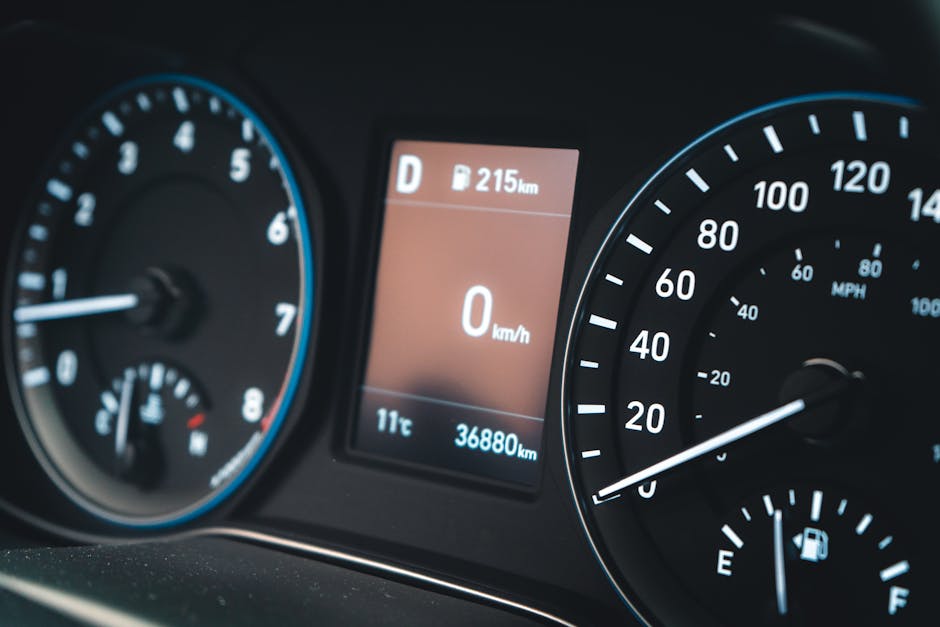
The Longyang Road Transfer: What People Actually Say
If you browse the local expat forums or chat with people in the "Brits in Shanghai" WeChat groups, the consensus is clear: The Maglev is great, until it stops. Longyang Road is a major transport hub connecting the Maglev to Metro Line 2, Line 7, and Line 16. During rush hour (08:00–09:30 and 17:30–19:00), this station is a sea of humanity. The Metro Transfer: If you plan to jump on the Metro from the Maglev, be prepared for a security check bottleneck. You have to exit the Maglev station and re-enter the Metro system. With luggage, this is sweaty work. For tips on navigating the subway system once you're in, check out my guide on Mastering the Shanghai Metro. The Taxi Struggle: There is a taxi rank at Longyang Road, but it is notoriously hit-or-miss. I’ve heard countless stories of drivers who are grumpy about short fares or "black taxis" (unlicensed drivers) lurking around trying to overcharge confused foreigners.Price Mythbusting: Is It Actually Expensive?
There is a persistent myth among budget travelers that the Maglev is an "expensive tourist trap." I have to disagree with the math here. Let’s compare it to home. The Heathrow Express is roughly £25 for a 15-minute ride. The Maglev is £4.50 (with your flight ticket discount). By international standards, this is incredibly cheap engineering. However, the total cost is where the spreadsheet gets messy. If you take the Maglev (£4.50) and then need a £4.00 taxi from Longyang Road to your hotel, you’ve spent £8.50. A direct Metro ride on Line 2 costs about £0.80 (7 RMB). So, no, the Maglev isn't expensive in a vacuum. But it is 500% more expensive than the Metro.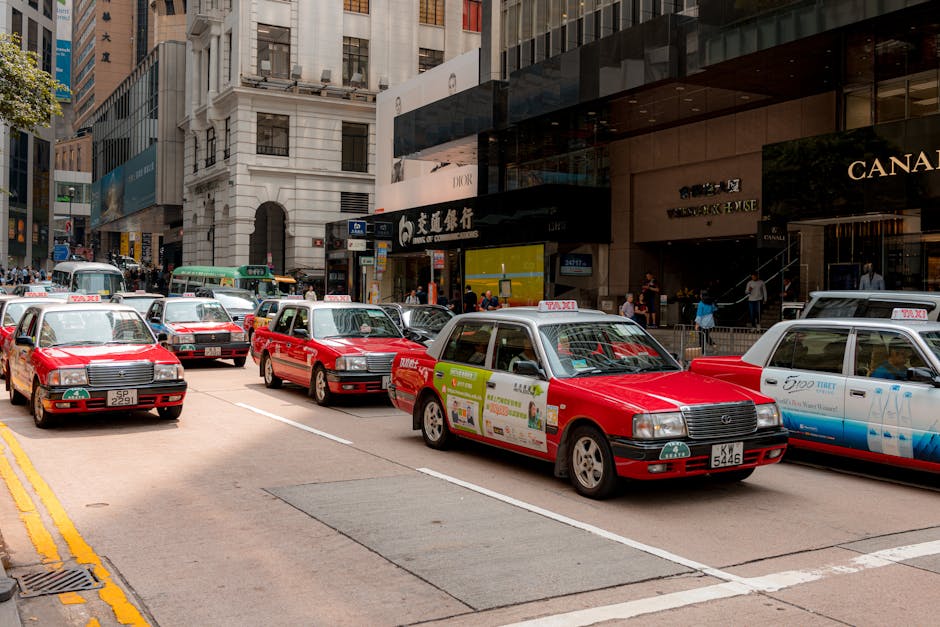
Decision Tree: Which Transport Mode Should You Pick?
I’ve lived here six years, and I still pause to think which one to take. Here is the logic I use now: 1. Are you staying in Lujiazui (Pudong)? Take the Maglev to Longyang Rd, then a short taxi/Metro. It’s genuinely faster. 2. Are you on a strict budget? Take Metro Line 2 (Green Line) all the way. It takes 65-80 minutes, but it costs peanuts (£0.80). 3. Do you have more than one large suitcase? Take a Taxi directly from the airport. Do not punish yourself with transfers. 4. Is it past 21:40? The Maglev closes early! Last train is usually 21:40 or 22:15 depending on the season. If you land late, you are taking a taxi. 5. Do you just want the Instagram photo? * Take the Maglev one way, then taxi the rest.The Final Calculations: Cost & Time Breakdown
To settle this, I’ve modeled the trip from PVG Airport to People’s Square (the absolute city center). I’ve used data from Numbeo Shanghai Taxi Fares to estimate the cab costs.
⚠️ Variable Alert: Taxi times are highly dependent on traffic. Shanghai traffic at 6 PM is gridlock. The Metro is immune to traffic, which is its superpower.
| Mode of Transport | Est. Total Time | Est. Total Cost (RMB) | Est. Total Cost (GBP) | Hassle Factor |
|---|---|---|---|---|
| Direct Taxi | 60 - 90 mins | 180 - 240 RMB | £20 - £27 | Low ✅ |
| Maglev + Taxi | 45 - 60 mins | 40 + 45 = 85 RMB | £9.60 | Medium ⚠️ |
| Maglev + Metro | 50 - 60 mins | 40 + 4 = 44 RMB | £5.00 | High ❌ |
| Direct Metro (Line 2) | 75 - 85 mins | 7 RMB | £0.80 | Medium ⚠️ |
The Verdict? If you are a solo traveler or a couple with light luggage, the Maglev + Taxi combo is the sweet spot between price and speed. But if you have just arrived to start a new life, like I did in 2015, pay the extra £15 for a direct taxi. Navigating the transfer while exhausted is a rite of passage you can afford to skip. For payment, make sure you have your banking sorted—see my notes on opening a Chinese bank account to avoid fumbling with cash.
Comments
Comments are currently closed. Have feedback or a question? Reach out through the contact info on the About page.