Stop Overthinking the Journey: Just Get on the Train
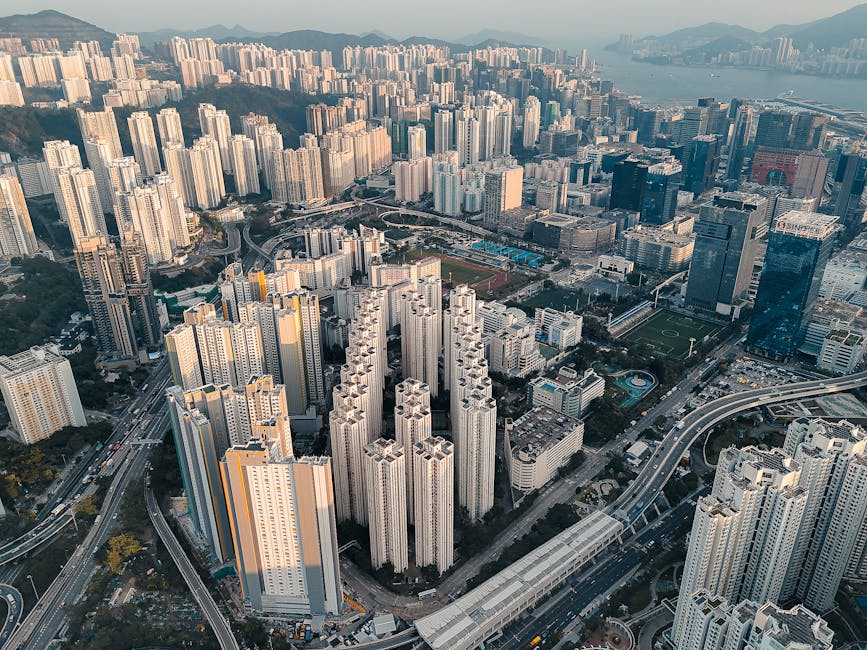
Look, I get it. You’ve landed in the Fragrant Harbour, you’re comfortable. You’ve got your Marks & Spencer food hall in Central, the pubs in Wan Chai serve a decent pint, and you can get by with English everywhere. The unique energy of Chinese HK—that frantic blend of Cantonese hustle and colonial leftovers—is intoxicating. The idea of crossing the border into the Mainland feels... daunting. It feels like stepping off the map. But honestly? You are missing the best part of the continent. Since the West Kowloon Station opened, getting from the humid coast to the spicy heartlands of Sichuan is embarrassingly easy. It’s not an expedition; it’s a commute. You hop on the Vibrant Express, and in roughly 8 to 9 hours, you are in Chengdu East. No airports, no liquid restrictions, no taking your shoes off.
Tip: Book your tickets at least 2 weeks in advance. The High-Speed Rail (HSR) fills up faster than a Manchester pub on derby day. You can book via the MTR website or Trip.com if your Mandarin is rusty.
The infrastructure is bafflingly good. According to the State Council of the PRC, the HSR network has expanded to cover routes we couldn't have dreamed of back in 2015 when I first moved here. But here is the "gotcha" that catches out every single one of my mates visiting from the UK: The Visa.
Do not—I repeat, DO NOT—assume your visa-free entry to Hong Kong gets you into Chengdu. It doesn't. You need a full Chinese tourist visa (L Visa) in your passport before you board that train at West Kowloon. I’ve heard horror stories from the community about travelers weeping over non-refundable tickets at the joint immigration checkpoint. Check the specific entry requirements for British nationals on GOV.UK before you even pack your bags.
My First Sip of 'Slow Life': A Tale of Two Cities
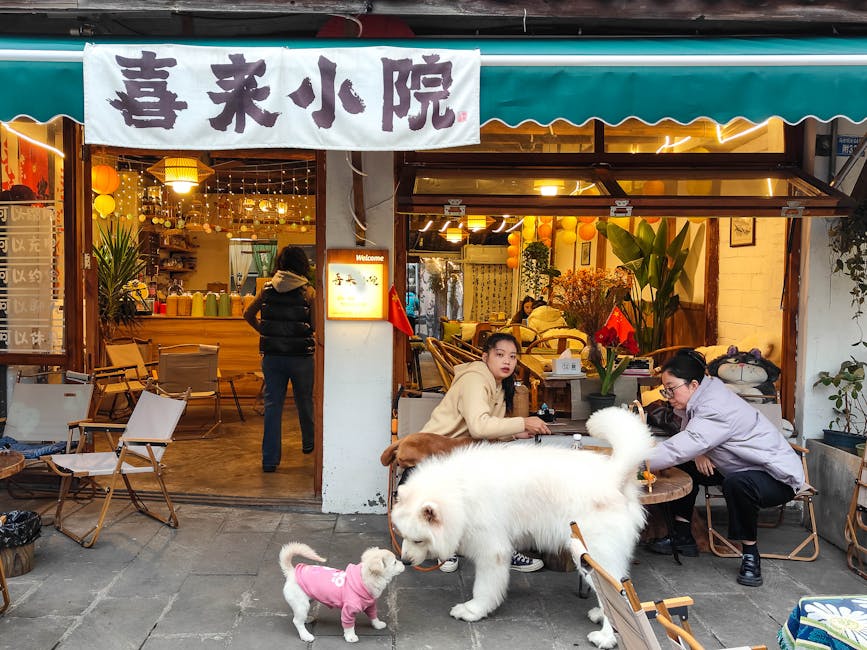
I remember my last trip to Hong Kong vividly. I was in a coffee shop in Central, sweating through my shirt despite the air conditioning, paying the equivalent of £8.50 for a "hand-poured" coffee that tasted like burnt ambition. The noise was relentless. My spreadsheets were a mess. Then, 48 hours later, I was in People’s Park (Renmin Park) in Chengdu. The contrast gave me whiplash. I sat in a bamboo chair that had seen better decades, listening to the clack-clack-clack of Mahjong tiles washing over me like a tide. This wasn't just a park; it was a quintessential Chinese garden experience, but without the velvet ropes. I ordered a tea. It wasn't £8. It was about RMB 15 (roughly £1.70). And the best part? They refill the water forever. You buy the leaves; the water is infinite."A local grandpa, seeing me looking confused with my gaiwan, leaned over and said two words: 'Ba Shi'. It translates roughly to 'comfort' or 'splendid', but in Sichuan, it’s a philosophy. It means sitting still long enough to actually taste your tea."It was here, amidst the ear-cleaners (yes, men with metal prongs cleaning your ears in public—terrifying but strangely popular) and the napping locals, that I found a vintage red teapot at a small stall near the exit. It wasn't expensive, maybe £12—Liu Yan, my wife, still thinks I overpaid—but the clay was perfect. That teapot now sits on my desk in Shanghai, reminding me that life doesn't always have to run at the speed of the Hang Seng Index. 🍵
What the Expats Are Whispering About the Cost Difference
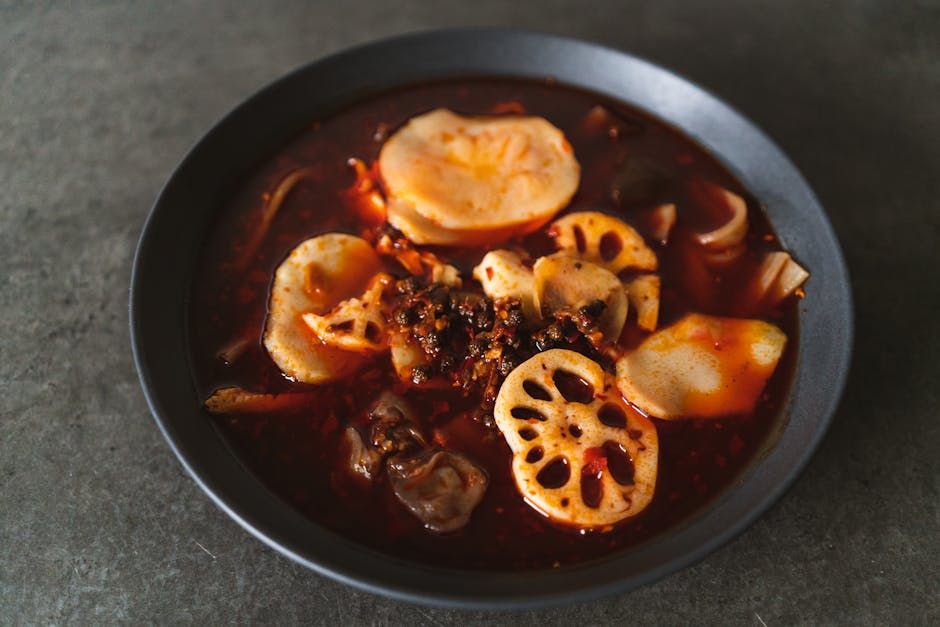
Living in Shanghai, my wallet takes a beating. It’s not London prices, but with Mia’s nursery fees, it feels close. Whenever I look at the data coming out of Chengdu, I feel a pang of jealousy that I can only describe as "financial grief." Take housing. Reports from online forums and relocation agents paint a stark picture. In Hong Kong, you are paying a premium for the privilege of breathing the same air as investment bankers. In Chengdu, the market reality is entirely different. There is a metric frequently cited in expat analytics: The Hotpot Index. In Hong Kong, a proper sit-down dinner with drinks will easily set you back £50-£70 per head. In Chengdu? You can feast like an emperor—enough food to literally buckle the table legs—for about £15 per person. And that includes beer. If you look at the raw data, the gap is staggering. According to Numbeo’s Cost of Living comparison, rent in Chengdu is roughly 83% lower than in Hong Kong. That is not a typo. You could rent a palace in Chengdu for the price of a shoebox in Kennedy Town. It makes you wonder why we insist on clustering in the most expensive coastal cities.The Economics of Scale: Why Chengdu Isn't Just a 'Village'
Okay, putting my analyst hat on for a moment. 🤓 There is a misconception among Brits that anything inland is a "village" or "backwater." If you think Chengdu is a sleepy town, you haven't looked at the spreadsheets. Sichuan province has a population of over 83 million people. That is significantly more than the entire population of the UK (around 67 million). We are talking about a consumer market that dwarfs most European countries. When you analyze the National Bureau of Statistics data for Sichuan, the GDP growth rates have consistently outpaced the national average for years. It’s a hub for tech, aerospace, and finance. This isn't just a holiday destination; it's the economic engine of Western China. Comparison of Scale (Approximate 2019 figures):| Metric | Hong Kong | Sichuan Province |
|---|---|---|
| Population | ~7.5 Million | ~83 Million |
| GDP Growth | Negative/Stagnant | ~7.5% (Pre-COVID trend) |
| Vibe | Stressful | Ba Shi |
Is It Safe to Travel Now? (Asking for a Friend...)
I know what you are thinking. It is July 2020. Is it actually responsible—or even possible—to hop on a train right now? I won't sugarcoat it: travel has changed. I miss the days of just grabbing my backpack and going. Right now, for those of us already inside China, domestic tourism is opening up, but it comes with a new layer of digital bureaucracy. You cannot move without a Health Code (green code on Alipay or WeChat). If you don't have this set up, or if your name is formatted weirdly in the app (a nightmare for us with middle names on passports), you aren't getting into the train station. Period. Masks are mandatory on all public transport. No exceptions. And honestly? I prefer it. It feels safer. The National Health Commission updates the risk zones daily, and the system is incredibly reactive. If a neighborhood flares up, it locks down, but the rest of the country keeps moving.
Reality Check: If you are reading this from Manchester, you can't come yet. Borders remain tight for international arrivals. But for the British expats currently in Shanghai or Beijing? Chengdu is open. And it is arguably the best place to escape the anxiety of 2020.
Comments
Comments are currently closed. Have feedback or a question? Reach out through the contact info on the About page.