The Manchester Rain vs. The Shanghai Sauna
I still vividly remember the moment I stepped out of Pudong Airport in July 2015. I was fresh off the plane from Manchester, wearing a sensible M&S jumper because it had been drizzling when I left the UK. I walked through the sliding doors and assumed, with genuine concern, that I had stepped directly into the exhaust pipe of a bus. It wasn’t a bus. It was just the air. Back home, we complain about the damp cold. It gets in your bones, we say. But the China Shanghai temperature in summer is an entirely different beast. It doesn't just get in your bones; it feels like wearing a wet wool blanket that someone has just pulled out of a boiling kettle. It is heavy, physical, and unrelenting.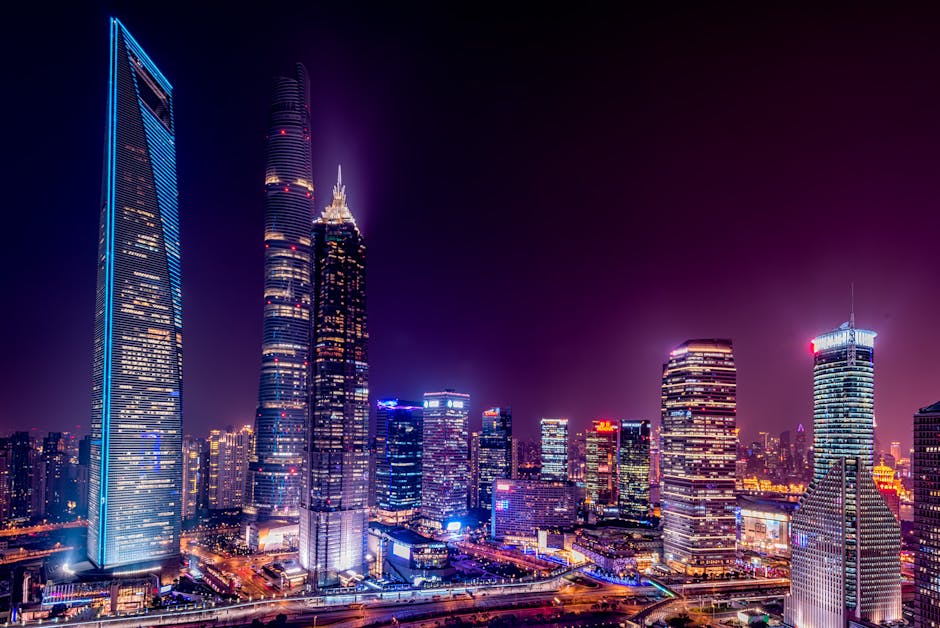
Regional Context: Unlike the dry heat of Beijing (which I’ve written about in my comparison of China Weather Guide: Shanghai Temperatures vs. Beijing), Shanghai’s heat is compounded by humidity often exceeding 80%. This pushes the "feels like" temperature well above 40°C.
Survival Kit: Don't Be a Hero
Let me be absolutely clear about this because I have seen too many fresh-off-the-boat expats faint near the Bund. This is not a drill. Do not attempt to "power through" a Shanghai July afternoon with nothing but a bottle of Evian and British stoicism. You will end up in a hospital, and while the care is good, the paperwork is a nightmare. If you are planning to visit these gardens, you need a tactical loadout. Here is what is non-negotiable:- Electrolytes: Water is not enough. You sweat out salt. Replace it. I buy Pocari Sweat in bulk.
- The "Snake Water" (Florid Water / Liushen): This is the specific brand of mosquito repellent that actually works. It comes in a green glass bottle and smells like a mixture of herbs and grandma’s perfume. It cools the skin and keeps the bugs away. Do not buy the western brands; the local mosquitoes treat DEET like a condiment.
- A UV Umbrella: Gents, get over yourselves. In Manchester, an umbrella is for rain. In Shanghai, it is a shield against radiation. If you walk around at noon without one, you are frying your skin. Liu Yan forced me to start using one in 2017, and I have never looked back.
- Portable Fan: Not the cheap ones. Get one with a high RPM.
Health Warning: The National Health Commission (NHC) regularly issues guidelines on preventing heatstroke. Their advice is explicit: avoid outdoor activities during the peak hours of 12:00 PM to 3:00 PM unless absolutely necessary.
I get genuinely angry when I see tourists dragging their children around People’s Square at 1 PM in 35-degree heat with no hats. It is irresponsible. The heat here is a biological hazard. Treat it with respect.
Yu Garden: The Tourist Trap Worth the Sweat?
Yu Garden (Yuyuan) is the elephant in the room. It is the most famous Chinese garden in the city, and consequently, it is usually a solid wall of people. However, I need to talk about the tea house next to the zigzag bridge. I have a particular obsession with value for money—I track the price of milk in three different districts—and the tea prices in the Yuyuan tourist zone are offensive. Last time I took visiting family there, we sat down at a "scenic" tea house. I looked at the menu. A pot of Longjing (Dragon Well) tea was listed at 188 RMB. Let’s do the maths. At the current exchange rate (approx 9.1 RMB to £1), that is over £20 for a pot of hot water and leaves.
Guyi Garden: What the Locals Say
I am not an expert on the nuances of Nanxiang history. My expertise is spreadsheets and risk analysis. So for this section, I am deferring to the true authorities: the "Auntie Network." My wife’s aunt lives in Jiading district and plays badminton every morning with a group of retirees who know everything that happens in this city before the government does. According to them, if you want a summer garden experience, you ignore Yuyuan and go to Guyi Garden. From what I hear in the community, Guyi is currently hosting its annual Lotus Festival. The aunties insist that the lotus blooms here are superior because the water circulation is better managed. They also claim it is the "photographer's secret spot"—which explains why, when I visited last weekend, I saw twenty men with camera lenses longer than my arm lying on the floor to get the perfect petal shot.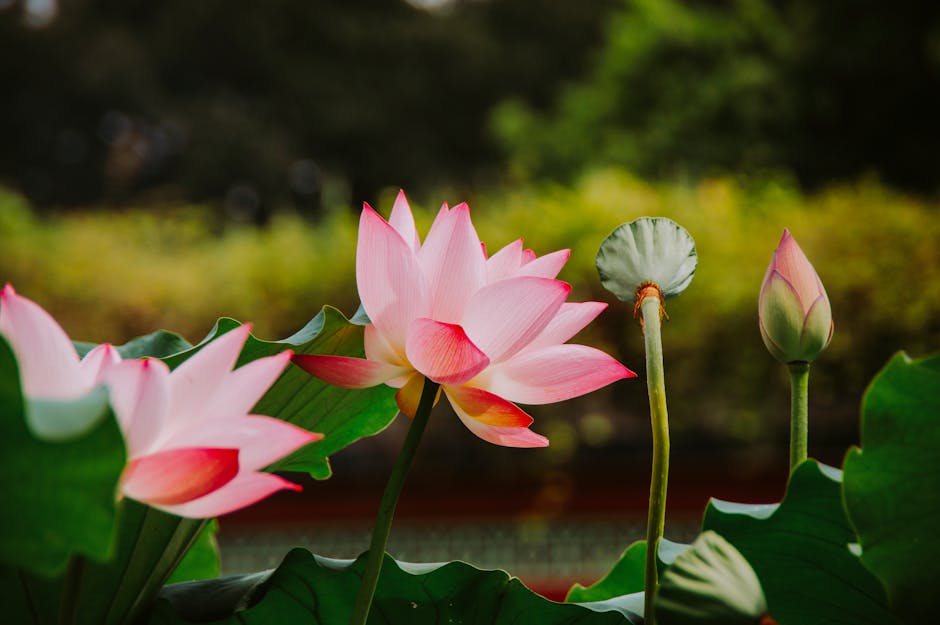
Zuibaichi Park: The Poet's Retreat
If you want to escape the concrete heat island of downtown Shanghai entirely, you need to get on the Metro. Specifically, Line 9.
Transport Tip: Taking the metro to Songjiang is incredibly cheap. According to Numbeo: Shanghai, a one-way ticket is barely the price of a chocolate bar in the UK. Just make sure you know your route—check my Mastering the Shanghai Metro guide if you’re nervous about the transfer at Xujiahui.
You are heading to Zuibaichi Park in Songjiang. The name translates roughly to "The Pool of the Drunken Bai," named after the Tang Dynasty poet Li Bai, who allegedly liked a drink or ten.
This place is my personal favorite. It feels older, heavier with history. The trees here are ancient camphor giants that create a canopy so dense the sun barely touches the ground. The temperature drop is noticeable the moment you step through the gate.
The architecture here features "breeze corridors"—long walkways with windows on both sides that channel the air. It is ancient air conditioning. I spent a full hour here last Saturday just sitting in a pavilion with my daughter, Mia, watching the koi fish. I brought my own travel tea set (vintage porcelain, bought at a wet market in Chengdu for a steal, £15), filled it with hot water from the public dispenser, and just existed.
It is quiet. That is the rarest commodity in China. For a few hours, the roar of the city and the oppressive humidity felt miles away.
A Day in the Life: The 'Cooling' Itinerary
You cannot brute force a Shanghai summer. You need a schedule. Here is the itinerary I use when family visits in July. It minimizes sun exposure and maximizes air conditioning.07:00 - Wake Up & Hydrate: Drink a pint of water immediately. Check the AQI app (see my thoughts on air quality here).
08:00 - The Garden Visit: Arrive at your chosen garden (Guyi or Zuibaichi) right as it opens. The light is better for photos, and the temperature is still under 30°C.
11:00 - The Tactical Retreat: Leave the garden. Do not linger.
11:30 - The Long Lunch: Find a mall or a restaurant with aggressive AC. This is not the time for street food. You need a roof. Stay here until at least 2:30 PM.
15:00 - Indoor Culture: Museum time. The Shanghai Museum is free and freezing cold. Perfect.
18:00 - The Evening Revival: The sun drops. The city wakes up again. Now you can walk the streets or the Bund.
Comments
Comments are currently closed. Have feedback or a question? Reach out through the contact info on the About page.