The Linguistic DNA: Xianggang vs. Hong Kong
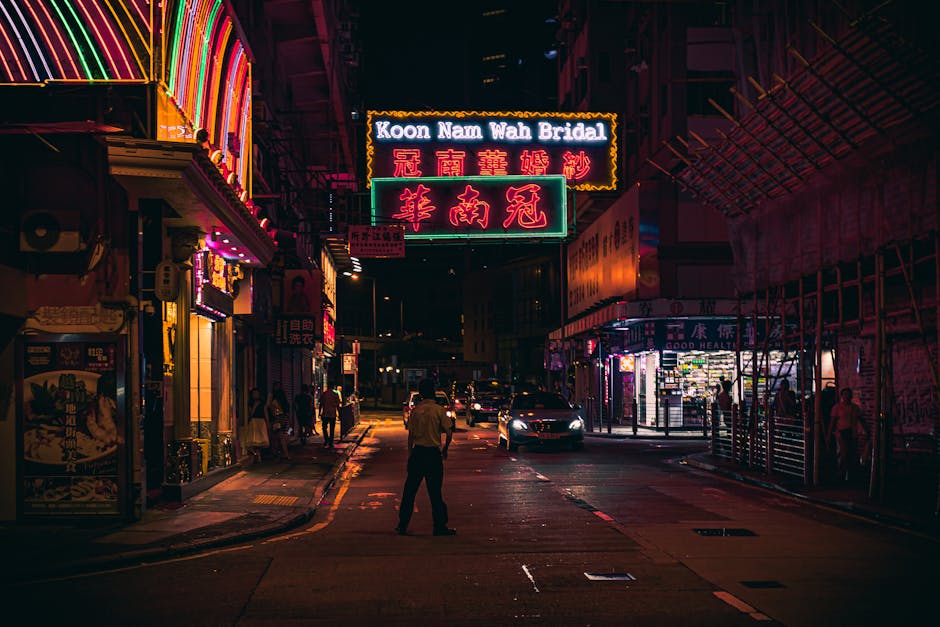
After eight years in China—arriving back in the heady days of 2015—I’ve learned that names here are rarely just labels; they are political and cultural compasses. To the uninitiated back in Manchester, "Hong Kong" is just a sound, a destination on a departure board. But here, the distinction between the Mandarin Xianggang and the Cantonese Hong Kong is the first step in understanding the complexity of this region. Strictly speaking, the characters are the same: 香港. Literally translated, this means "Fragrant Harbour" (香 xiāng = fragrant, 港 gǎng = harbour). The divergence happens when you open your mouth. In Mainland China, where I live and work, the official language policy enforced by the Ministry of Education of the PRC promotes Putonghua (Standard Mandarin) and Simplified Chinese characters. Here in Shanghai, my colleagues say Xiānggǎng. If I tried to say "Hong Kong" with a British accent during a meeting in Pudong, I’d get confused stares. However, cross the border into the SAR (Special Administrative Region), and the linguistic landscape shifts entirely. Hong Kong retains Traditional characters and Cantonese as its de facto lingua franca. The romanization "Hong Kong" itself is a phonetic approximation of the Cantonese pronunciation, not the Mandarin one.
Linguistic Cheat Sheet:
- English: Hong Kong
- Mandarin (Pinyin): Xiānggǎng (used in Mainland)
- Cantonese (Jyutping): Heung1 Gong2 (used in HK)
- Characters: 香港 (Same for both, though written style differs)
Shanghai vs. The Harbour: A Tale of Two Cities
As a financial analyst, I can’t help but view cities through a spreadsheet. I keep a rigorous ledger of my life in Shanghai—every expense is tracked and converted to GBP (a habit I can't shake, even after nearly a decade). When I compare my life here to my friends' lives in Hong Kong, the "One Country" narrative hits a stark economic reality check. While Shanghai is expensive by mainland standards, Hong Kong operates in a different financial stratosphere. Below is a comparison based on data I pulled this morning (January 15, 2023) from Numbeo - Cost of Living Comparison.| Item | Shanghai (CNY/GBP) | Hong Kong (HKD/GBP) | The "Ouch" Factor |
|---|---|---|---|
| Rent (1-bed in Centre) | ¥7,500 (~£910) | HK$18,000 (~£1,890) | HK is +107% higher |
| Pint of Milk | ¥18 (~£2.10) | HK$24 (~£2.50) | Roughly similar |
| Taxi Start (Flagfall) | ¥16 (~£1.90) | HK$27 (~£2.80) | HK is +47% higher |
| Income Tax (Top Band) | 45% | 17% | HK wins massively here |
The "I Thought It Was China" Visa Trap
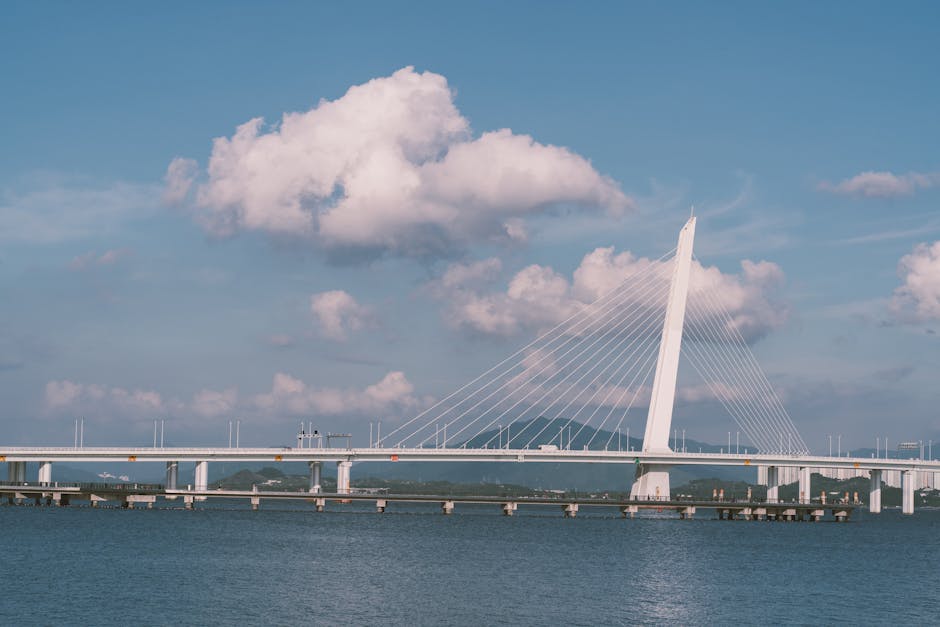
This is the section where most fresh-off-the-boat expats—and even some seasoned ones—get burnt. There is a dangerous assumption that because Hong Kong is part of China, your Mainland Residence Permit grants you access. It does not. You must treat the border between Shenzhen and Hong Kong exactly as you would an international border.Step-by-Step: How to Enter Hong Kong (and Return)
If you are a British Citizen holding a UK passport, here is the procedure as of January 2023.- Leaving the Mainland: You will pass through PRC Immigration. You are technically "exiting" China.
Tip: Ensure you have your passport. Your Chinese ID card or Residence Permit alone is not a travel document for crossing this border.
- Entering Hong Kong: You will arrive at HK Immigration.
- Requirement: Valid UK Passport.
- Visa Status: British citizens are granted a visa-free stay of up to 180 days for tourism. This is verified by the Hong Kong Immigration Department.
- Documents: While rarely asked, you should have proof of onward travel.
- The Critical Failure Mode (Re-entering Mainland): This is where the panic sets in. To return to Shanghai, you are re-entering China.
⚠️ CRITICAL WARNING: If you are on a single-entry Chinese visa, your trip to Hong Kong just used it up. You will be denied re-entry at the Shenzhen border. You must have a multiple-entry visa or a valid Residence Permit to return.
A Brief Detour into Tea Culture
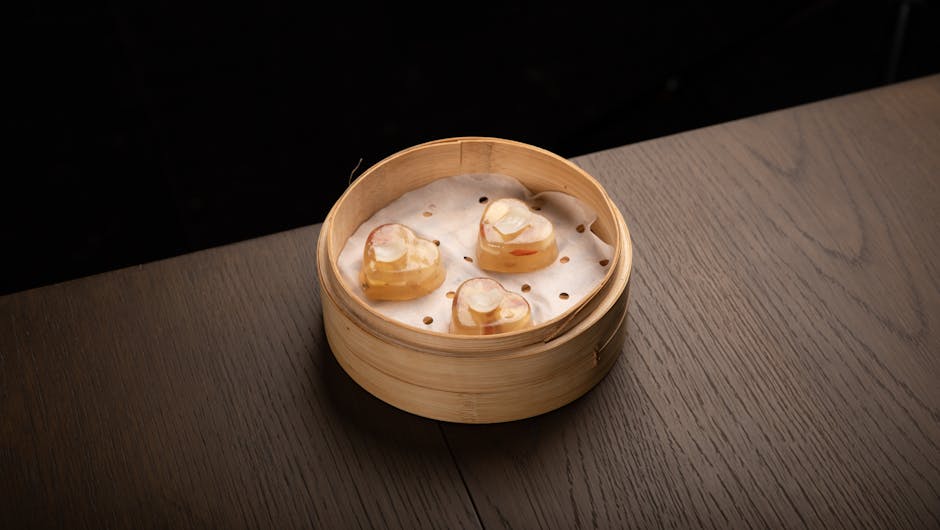
My wife, Liu Yan, often laughs at my tea collection. I have shelves dedicated to vintage sets I've picked up from markets in Chengdu and Beijing. But tea is another lens through which the "Chinese HK" distinction becomes tangible. In Shanghai, or when I’m travelling in the interior—perhaps visiting the serene spots I wrote about in From the Hustle of Chinese HK to the Serenity of a Chengdu Chinese Garden—tea is a slow, contemplative act. It’s Longjing (Dragon Well) green tea, served in tall glass tumblers where you watch the leaves dance. It is about patience. Hong Kong tea culture, or Cha Chaan Teng culture, is high-octane. It’s strong black tea, hammered with evaporated milk and sugar, filtered through a silk stocking (literally "Silk Stocking Milk Tea"). It mirrors the city: efficient, a blend of British colonial influence and Cantonese practicality, designed to deliver a caffeine hit fast. Both are "Chinese tea," yet they share almost no DNA in terms of preparation or consumption.The Day My Spreadsheet Failed Me: Currency Wars
I pride myself on being prepared. My spreadsheets have columns for everything. Yet, in 2018, on a family trip to Victoria Peak with Liu Yan and a then-very-small Mia, I faced the "One Country, Two Currencies" firewall head-on. We were at a Dim Sum parlour. I pulled out my phone to pay with WeChat Pay, the ubiquitous digital wallet we use for everything in Shanghai. I scanned the QR code. "Currency mismatch." I tried Alipay. "Service not available for this region." I hadn't enabled the HKD wallet, and my CNY (RMB) balance was useless. In Mainland China, cash is almost obsolete; in Hong Kong, the Octopus card and cash were still king (though this is changing rapidly). I had to run to an ATM, incurring a £5 international withdrawal fee that ruined my mood for the afternoon.The Financial Firewall
- Mainland: Renminbi (CNY). Controlled capital account. Not fully convertible.
- Hong Kong: Hong Kong Dollar (HKD). Pegged to the US Dollar. Fully convertible.
Is It One Country or Two?
If it's all China, why do I feel like I've left the country every time I visit? Why do I need to clear customs? Why is the internet uncensored in HK while I need a VPN in Shanghai? The answer lies in the constitutional principle of "One Country, Two Systems" (一国两制). According to The Central People's Government of the PRC, this policy allows the Hong Kong SAR to retain its own capitalist economic system, legal system (based on English Common Law), and legislative rights for 50 years after the 1997 handover."The socialist system and policies shall not be practised in the Hong Kong Special Administrative Region, and the previous capitalist system and way of life shall remain unchanged for 50 years."This legal framework is why: 1. The Internet is different: The Great Firewall does not officially cover HK. 2. The Law is different: Contracts in HK are often preferred by international businesses because they rely on familiar common law principles. 3. The Passport is different: HK residents hold HKSAR passports, which have different visa-free access rights compared to PRC passports.
Beyond the Stereotypes: The Shared DNA
It is easy for Brits to land in Hong Kong, see the double-decker buses and the road signs in English, and think, "Ah, it's just Britain in the tropics." That is a superficial reading. In my eight years here, I’ve found that in many ways, Hong Kong is more traditionally Chinese than Shanghai. During the Cultural Revolution in the mainland, many traditional practices, festivals, and superstitions were discouraged or erased. Hong Kong, separated by the border, preserved them in amber. The complexity of clan associations, the fervent belief in Feng Shui (which dictates the architecture of the skyscrapers), and the strict hierarchy of family dining are intensely preserved in the SAR. While the systems—legal, financial, linguistic—diverge, the cultural heartbeat is undeniably shared. Navigating the "Chinese HK" distinction isn't about choosing one side; it's about understanding that "Chinese" is a broad, multifaceted umbrella. Just remember to bring the right currency adapter for your wallet.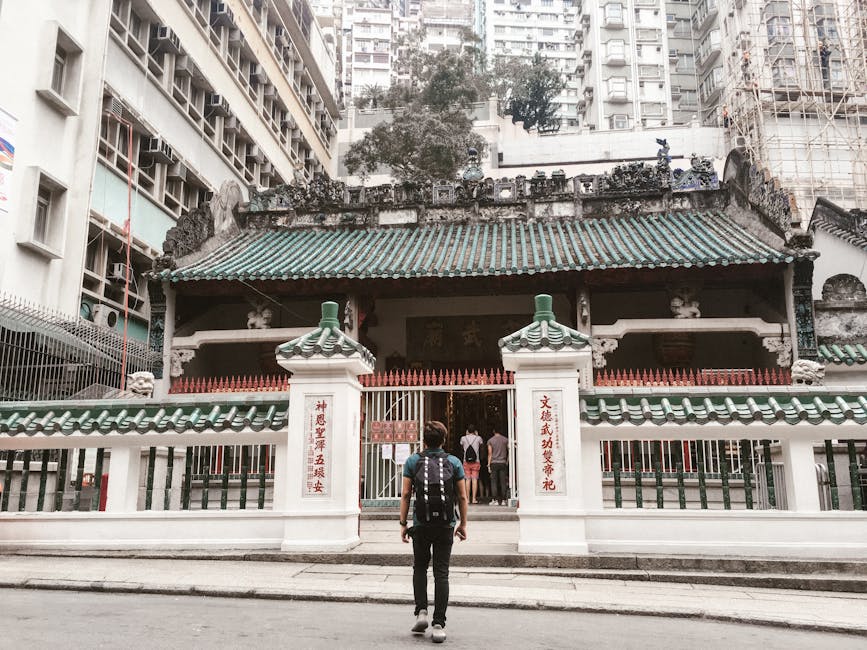
Comments
Comments are currently closed. Have feedback or a question? Reach out through the contact info on the About page.