Is the Lujiazui Premium Really Worth the View?
Looking out from my office on the 48th floor, the Oriental Pearl Tower looks like a retro sci-fi toy dropped into a sandbox of glass and steel. It’s been seven years since I first landed at PVG, expecting every street to look like a scene from Blade Runner. While most of Shanghai is actually a sprawling mix of low-rise lane houses and mid-tier apartments, Lujiazui is the exception. It is the vertical city.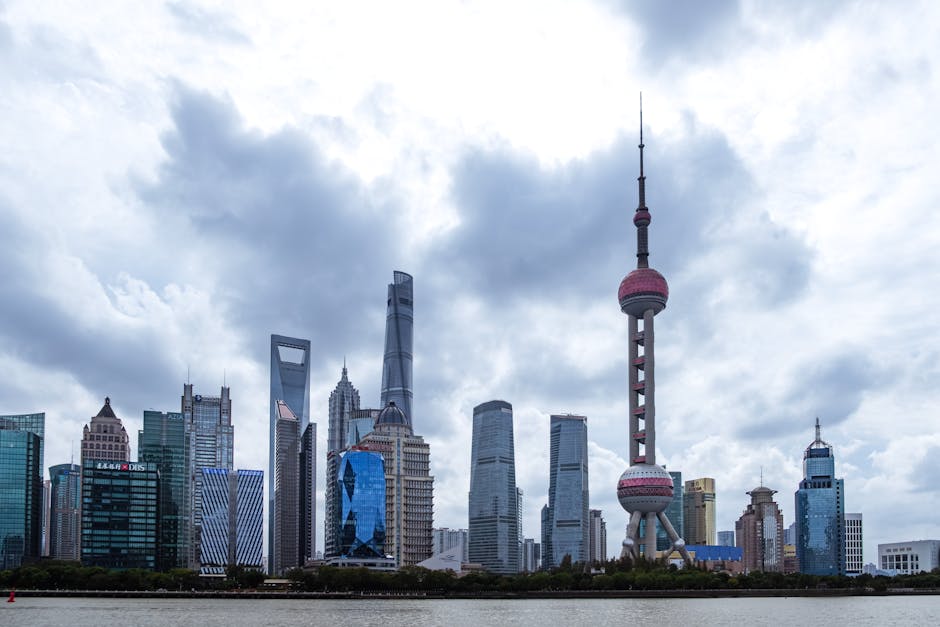
The Vertical City vs. The Lane House
There is a distinct psychological "prestige tax" to living here. In Puxi (West of the river), specifically the Former French Concession, you pay for charm, history, and leafy streets. In Lujiazui (East of the river), you pay for elevator speed and proximity to the office. According to data from the National Bureau of Statistics - Statistical Communiqué, Shanghai’s disposable income per capita remains the highest in the mainland, driving a property market that doesn't behave rationally. The Lujiazui premium isn't just about square footage; it's about the isolation. You are disconnected from the "real" Shanghai street life—the grandma frying scallion pancakes, the guys playing cards in pyjamas. Instead, you get sterile malls and immaculately manicured lawns that you aren't allowed to walk on. For my wife Yan and me, the trade-off wasn't worth it. We chose a middle ground closer to Century Park so our daughter Mia could actually see grass, but for single finance professionals, the convenience of a 5-minute walk to the trading floor often outweighs the sterility. Just know that you are paying for a bubble.The Economics of the Skyline: Salary vs. Rent
Let's strip away the romance and look at the ledger. If you are moving here for a FinTech role or a classic banking position, your salary needs to align with the brutal reality of Lujiazui rental yields. A common rule of thumb for expats is the 30% rule: spend no more than 30% of your gross income on rent. In Shanghai, adhering to this rule while living in a Tier-1 Lujiazui apartment requires a senior-level package. Here is the breakdown of the rental market as of early 2022:
Market Snapshot: Living in the financial district commands a premium of roughly 80-100% over suburban districts like Minhang or Songjiang.
| Apartment Type | Avg. Monthly Rent (Lujiazui/City Centre) | Avg. Monthly Rent (Outside Centre) | Req. Monthly Salary (30% Rule) |
|---|---|---|---|
| 1 Bedroom Apartment | ¥7,500 - ¥12,000 | ¥3,500 - ¥6,000 | ¥25,000 - ¥40,000 |
| 3 Bedroom Apartment | ¥18,000 - ¥35,000 | ¥7,000 - ¥12,000 | ¥60,000 - ¥116,000 |
| Source: Numbeo Shanghai. Last verified: 2022-02-10 | |||
The Daily Ledger: Lujiazui vs. Manchester (A Spreadsheet Analysis)
I still convert everything to GBP. It’s a sickness. My colleagues laugh when I stare at a menu and mutter, "That's fifteen quid for a salad," but it’s the only way I keep sane. I also refuse to drink the tap water here, even if it's boiled twice—I factor bottled water into my monthly fixed costs. Living near the Shanghai Tower introduces you to "Expat Inflation." A block of cheddar cheese at the frantic wet market in Puxi might cost ¥40. At the City Super in the basement of the IFC Mall? You're looking at ¥90. Here is my "Basket of Goods" comparison. I’ve compared Lujiazui pricing against my hometown, Manchester.
| Item | Lujiazui Price (CNY) | Manchester Price (GBP/CNY) | The "Lujiazui Premium" |
|---|---|---|---|
| Cappuccino | ¥35.00 | £2.90 (¥25.00) | +40% |
| Imported Beer (0.5L Draught) | ¥60.00 | £4.50 (¥39.00) | +53% |
| Fitness Club (Monthly) | ¥450.00 | £30.00 (¥260.00) | +73% |
| Taxi (5km ride) | ¥25.00 | £8.00 (¥69.00) | -63% (Cheaper!) |
| Source: Numbeo Shanghai. Last verified: 2022-02-10. Exchange rate approx 1 GBP = 8.65 CNY. | |||
Tip: The "Cheese Index" is real. If you want to save money, buy local produce. If you insist on buying Waitrose-equivalent goods in Lujiazui, your grocery bill will be higher than in London.
Flair Rooftop Restaurant & The Cost of a Pint
There is a specific feeling you get sitting at Flair, the rooftop bar at the Ritz-Carlton in Pudong. You are practically eye-level with the Pearl Tower’s spheres. The humidity is usually high, sticking your shirt to your back, but the view is undeniably spectacular. The neon lights reflect off the glass, purple and pink hues bouncing around the terrace. It is seductive. It is also where budgets go to die. A night out here isn't just about the drink; it's about the "Lifestyle Inflation." When I first arrived in Chengdu back in the day, I was happy with street beers. Now, living and working in this circle, there is subtle pressure to socialize in venues that charge a 15% service charge plus tax. A round of drinks for four people can easily hit ¥600 (£70). This is the "keeping up with the Wangs" dynamic. The local finance elite in Shanghai spend aggressively. If you are trying to match their consumption habits on a localized salary (or even a modest expat one), you will burn through your savings. I’ve seen plenty of Brits leave after two years with zero savings because they treated every Tuesday night like a celebratory banquet.Tax Residency: The 183-Day Reality Check
If you are earning the money to pay for that Lujiazui rent, you need to understand who wants a slice of it. The tax system here is rigorous, and since the reform a few years back, it catches a lot of people out.
The 183-Day Rule: According to the Individual Income Tax Law, if you reside in China for 183 days or more in a tax year, you are a tax resident.
This matters because of the "Six-Year Rule." If you are a tax resident for six consecutive years (without leaving for more than 30 days in a single trip), your worldwide income becomes taxable in China.
I remember my first year filing taxes here. I assumed it would be like PAYE in the UK—automatic and invisible. It is not. You have an app, you have specific deductions (rent, parental support, education), and if you mess it up, the penalties are steep.
Also, "Gross Salary" here is deceptive. Your employer might quote you ¥40,000 a month. But after social insurance (if applicable to your nationality/city policy) and tax, the take-home can be significantly less. Unlike the UK where NI is a smaller chunk, the social benefits deduction here is hefty if your company enforces it strictly.
For more on managing finances here, check out my guide on Landing at Shanghai PVG? Here’s How to Open a Bank Account for Expats.
The Administrative Hustle: Police Registration
Let’s step away from the spreadsheets for a moment and talk about the most critical piece of admin you will do: The Police Registration (Accommodation Registration Form).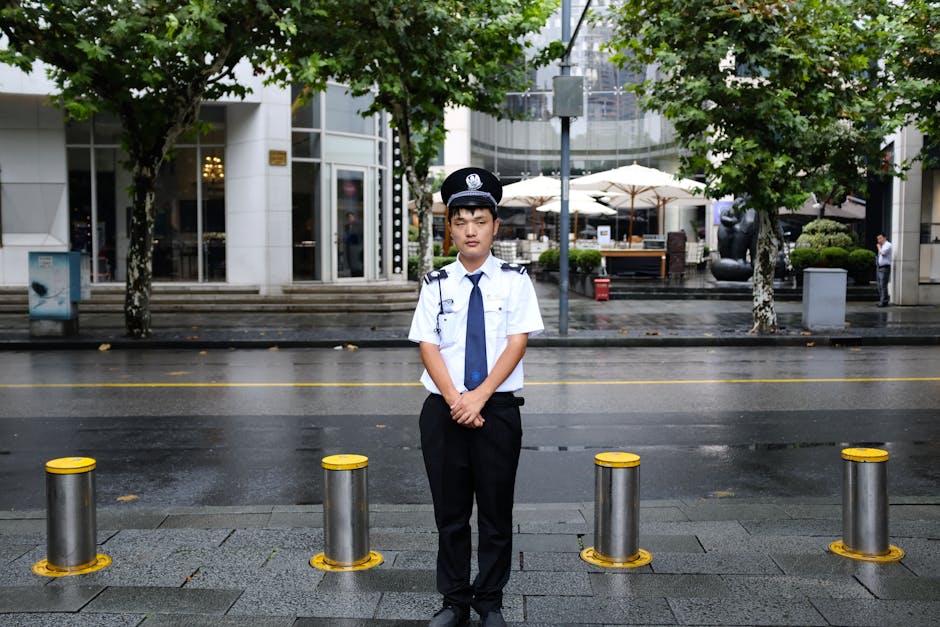
How to do it:
1. Gather Documents: Passport, Visa page, Lease agreement (original), and Landlord’s ID (copy). 2. Go to the local PSB: Find the police station serving your specific sub-district (jiedao). 3. The Process: Hand over the docs. They will type it into a monolithic computer system. 4. The Receipt: You get a slip of paper. Do not lose this. You need it for visa renewals, banking, and sometimes even enrolling your kids in school. The GOV.UK advice on Living in China is explicit about this: failure to register can result in fines of up to ¥2,000, and in severe cases, complications with your visa status. I’ve had friends fined because they moved apartment and "forgot" to go to the police station for three weeks.Decoding the Characters: Learning "Shanghai" in Chinese
The irony of living in the Lujiazui bubble is that it is the worst place to learn Chinese. You can survive here entirely in English. The menus have pictures; the staff speak English; the taxi app has an English interface. This creates a helpless dependency. I’ve met guys who have been here five years and can’t tell a taxi driver to turn left (zuǒ guǎi).
Comments
Comments are currently closed. Have feedback or a question? Reach out through the contact info on the About page.