The 20% Question: Where Did My Paycheck Go?
When I first landed in Chengdu back in 2015, staring at my inaugural payslip felt like trying to decipher an ancient oracle bone. The gross salary number at the top looked promising—a decent bump from my previous role in Manchester—but the net figure at the bottom made me do a double-take. "Where," I asked the HR manager, clutching my calculator, "has nearly a fifth of my money gone?" Her answer was a polite smile and two words: "Social Insurance." Seven years later, now settled in Shanghai with a toddler and a FinTech career, I understand the system, but the sting hasn't entirely vanished. For British nationals, the Ministry of Human Resources and Social Security (MOHRSS) mandates participation in five types of insurance: pension, medical, unemployment, work-related injury, and maternity. Unlike our German or South Korean counterparts, who enjoy bilateral exemption treaties, the UK has no such agreement with China. This means we pay the full whack.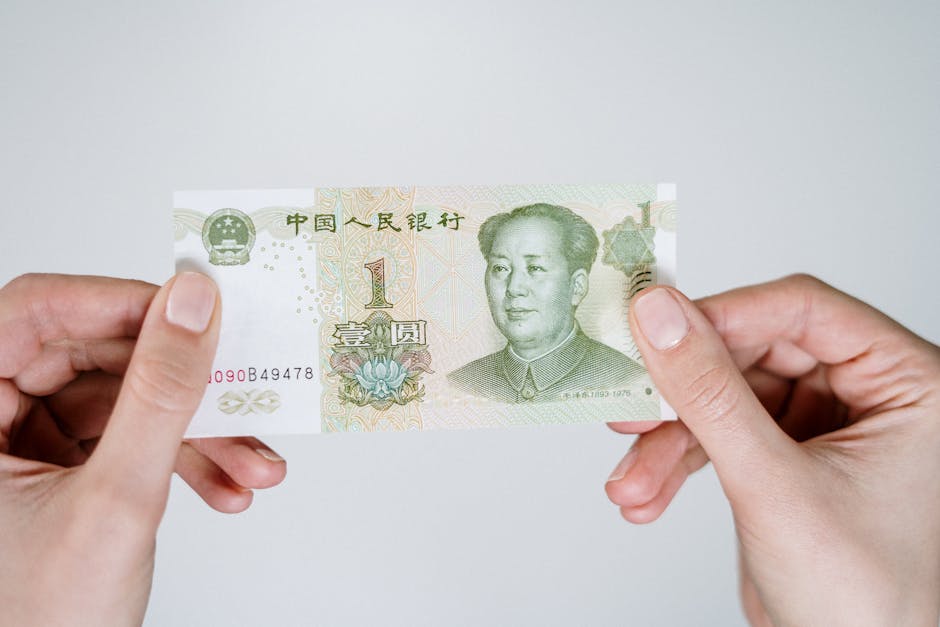
Key Takeaway: British nationals in China are legally obligated to participate in the social insurance scheme. There is no opt-out clause for UK passport holders, as confirmed by the GOV.UK Living in China Guide.
Don't Fight the Law: Compliance is Non-Negotiable
Let me be blunt: do not try to "game" this system. I've heard the chatter in expat WeChat groups—people bragging about how their company pays them through an offshore account or lists them as a "consultant" to dodge the social insurance bullet. This is terrible advice. Since the "Interim Measures for Participation in Social Insurance for Foreigners" came into effect in 2011, enforcement has been patchy but is rapidly tightening. In the last three years specifically, I've seen tax bureaus and entry-exit administrations sharing data much more effectively. If your HR department tells you, "Oh, foreigners don't need to pay this," they are likely incompetent or trying to save the employer's portion of the contribution (which is substantial). Non-compliance can jeopardize your work permit renewal. I value my visa—and my life here with Liu Yan and Mia—far too much to risk deportation over a pension contribution dispute.The Tax Offset Problem: Finding the Silver Lining
As a financial analyst, I have to look for the upside. The only saving grace of this mandatory deduction is its interaction with Individual Income Tax (IIT). Social insurance contributions are pre-tax deductions. When I plug the numbers into my "Life in China" spreadsheet (yes, I have one for everything), the net loss isn't quite as severe as the gross deduction suggests.Tip: Always negotiate your salary based on "Net after tax and social insurance." If you negotiate a "Gross" salary, you take the full hit of these deductions.
Here is how the math roughly works out for a high earner in Shanghai. Note that this reduces your taxable income base significantly.
| Component | Standard Calculation (Approx.) | Impact on Liquidity |
|---|---|---|
| Gross Monthly Deduction (Employee) | ~¥4,500 - ¥5,000 RMB | Negative (Cash Out) |
| Taxable Income Reduction | ~¥4,500 - ¥5,000 RMB | Positive (Lowers Tax Base) |
| Tax Savings (assuming 25% bracket) | ~¥1,125 - ¥1,250 RMB | Positive (Cash Saved) |
| Real "Net" Cost | ~¥3,375 - ¥3,750 RMB | Actual liquidity reduction |
Crunching the Numbers: The British Chamber Study
The frustration isn't just personal; it's systemic. The British Chamber of Commerce in China, often in collaboration with institutions like Fudan University, regularly surveys businesses on this issue. Their advocacy reports highlight that the high cost of labor—driven up by these mandatory social insurance contributions—is a major barrier to hiring foreign talent. Let's look at the employer's burden. This is the part you don't see on your payslip, but it explains why your boss might be hesitant to give you that raise.| Insurance Type | Employee Contribution (Approx. Max) | Employer Contribution (Approx. Max) | Total Monthly Cost (Max Cap) |
|---|---|---|---|
| Pension | 8% (~¥2,800) | 16% (~¥5,600) | ~¥8,400 |
| Medical | 2% (~¥700) | 10% (~¥3,500) | ~¥4,200 |
| Unemployment | 0.5% (~¥175) | 0.5% (~¥175) | ~¥350 |
| Total Monthly | ~¥3,675 (~£445) | ~¥9,275 (~£1,125) | ~¥12,950 (~£1,570) |

The 'Pension Payout' Myth vs. Reality
There is a pervasive myth among the expat community that this money is gone forever—a donation to the Chinese state. That is technically incorrect, though the reality is bureaucratic enough to make you wish it were simpler. China's pension system is split into two accounts: 1. Social Pooling Account: Funded by the employer. If you leave China before retirement age (15 years of contribution), this money stays in the system. You lose it. 2. Individual Account: Funded by your 8% contribution. This is technically your money. If you leave China permanently and renounce your intention to return for work, you can apply to withdraw the balance of your Individual Account. However, you cannot touch the employer's portion.I remember discussing this with a German colleague over a pint. He laughed, noting his contributions count toward his home pension. I just stared into my beer, mentally calculating how many RMB I've "donated" to the pooled account over 7 years.
Tales from the Queue: Getting the Money Back
I haven't left, so I haven't cashed out. But in the finance world, we share data. I've tracked the experiences of several friends who repatriated to the UK between 2020 and early 2022. The Success Story: A former colleague in Beijing, let's call him Dave, managed to extract about ¥60,000 RMB (approx. £7,200) when he left in 2021. He described the process as "a full-time job for three days." He had to visit the Social Security Bureau, close his account, visit the bank to extract the cash (because they couldn't wire it to a closed account), and then scramble to convert it to GBP before his flight. The Failure: Another friend simply gave up. The bureau required a specific termination letter from a company that had gone bust during the pandemic. Without that stamp, the computer said "no." She left about ¥40,000 on the table because the flight ticket prices at the time made staying an extra week to fight the bureaucracy financially illogical.
Comments
Comments are currently closed. Have feedback or a question? Reach out through the contact info on the About page.