The Old Way vs. The 'Shanghai Time' Way
If you arrived in China around the time I did, back in 2015, the phrase "police registration" likely triggers a mild form of PTSD. I remember dragging my then-landlord in Chengdu to the local police station (派出所 - paichusuo), clutching a folder of documents that felt thicker than a Dickens novel. We waited for two hours, only for the officer to tell us the landlord’s ID copy was "too blurry." It was a rite of passage, messy and analogue. Fast forward seven years. I'm sitting in my apartment in Xuhui, sipping a cup of Tieguanyin (steeped at exactly 95°C for three minutes), and I realize just how much "Shanghai Time" has accelerated. The days of physical queues are largely gone for those of us living within the Inner Ring Road. The digitization of the Accommodation Registration Form for Overseas Personnel is perhaps the single greatest administrative improvement I’ve witnessed since moving here from Manchester.
| Feature | The Old Way (Pre-2019/2020) | The 'Shanghai Time' Way (2022) |
|---|---|---|
| Location | Physical Police Station (Paichusuo) | Online Portal / WeChat Mini-Program |
| Landlord Presence | Mandatory (often reluctant) | Not required (if you have the photos) |
| Processing Time | 1-3 Hours (plus travel) | 10-20 Minutes (upload) + <24 hrs approval |
| Output | Physical paper slip (easy to lose) | PDF with QR Code (save to cloud) |
| Stress Level | High (language barrier, queues) | Low (English interface available) |
Note: While Shanghai has moved online, many other cities still require the physical visit. If you are reading this from outside a Tier 1 city, assume the "Old Way" is still the current way.
When Things Don't Go to Plan: Community Stories
It would be irresponsible of me to paint a picture of purely digital bliss. While I own my apartment now—which simplifies things immensely as my wife, Liu Yan, is on the deed—I keep a close ear to the ground via the British Chamber of Commerce in China forums and local WeChat groups. The digital system is brilliant when it works. But the British community frequently reports "computer says no" moments. One common issue arises with older rental contracts. The online system verifies your address against a government database. If your landlord hasn't properly registered the property for rental tax purposes, the system might not recognize the address, forcing you to go to the police station in person anyway. Another frustration involves hotels. Technically, if you stay at a hotel, they register you automatically. However, I've heard from friends visiting from Suzhou that smaller hostels or Serviced Apartments sometimes fail to upload the data to the PSB (Public Security Bureau) correctly. This leaves a gap in your registration history, which can be a nightmare when you later try to renew a visa.Tip: If staying in a Serviced Apartment, always ask the front desk to print a "Registration Receipt" (住宿登记单). Do not just take their word that "it's in the system."
The 24-Hour Rule: By the Numbers
Let's look at the hard data, because the cost of non-compliance isn't just a slap on the wrist. According to Chinese law, you must register within 24 hours of arrival in urban areas and 72 hours in rural areas.
A Brief Detour: The Art of Tea and Bureaucracy
There is a strange rhythm to Chinese bureaucracy that reminds me of waiting for a Puer tea cake to age. You cannot rush it, yet you must be precise. Last week, after submitting my registration update following a business trip to Shenzhen, I felt that familiar low-level anxiety. Did the photo upload clearly? Did I transpose a digit on my passport number? To calm down, I went to my favorite tea shop in Huangpu. As I watched the shop owner rinse the leaves, I realized that the registration slip (the Jingwai Renyuan Zhusu Dengji Biao) is the ultimate gatekeeper. It’s a piece of paper (or now, a PDF) that says, "You belong here right now." Just as the tea needs the right water temperature to unlock its flavor, we need this document to unlock basically every function of life in Shanghai. Without it, you are just a tourist in a very complex system.Timeline of a Registration: From Landing to PDF
For those looking for a procedural breakdown, here is exactly how the "Shanghai Self-Help Declaration System" works as of March 2022.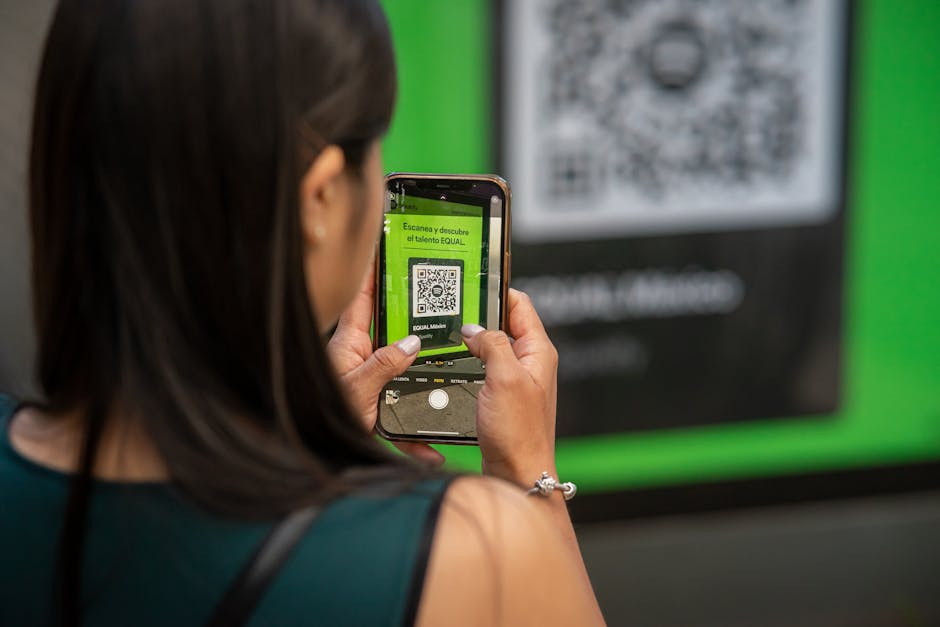
Common Failure Mode: The "holding the passport" selfie. The system requires a photo of you holding your passport ID page next to your face. If the passport covers your chin or reflects light, it gets rejected. Lighting is key here.
Step 4: The Waiting Game (Hour 4-24)
Once submitted, the status will change to "Pending." Do not panic. In my experience, if submitted before 4 PM, it’s approved by 8 PM. If submitted at night, it’s approved by 10 AM the next day.
Step 5: The Output
You will receive an SMS or email. Log back in and download the PDF. Print two copies immediately. Keep one in your wallet, one in your "Life Admin" folder.
The 'One-Time' Myth vs. The Recurring Reality
A massive misconception among new arrivals—and something I have to correct constantly when chatting with fresh expats at the pub—is the idea that you register once when you move in, and you're done. Absolutely false. You must re-register every single time: 1. You move apartments. 2. You get a new passport. 3. You get a new visa or renew your Residence Permit. 4. You leave mainland China and return. That last one is the kicker. Even if you just pop over to Hong Kong or Macau for the weekend, your "latest entry date" has changed. Therefore, your previous registration is invalid. The Shanghai Municipal People's Government site is clear on this: data consistency is paramount. I use a simple conditional formatting rule in my spreadsheet: If [Current Date] > [Last Entry Date] AND [Registration Date] < [Last Entry Date] THEN "REGISTER NOW". It hasn't failed me yet.Why Does This Piece of Paper Even Matter?
Why do we obsess over this form? Why does a man who converts the price of xiaolongbao to GBP to ensure fair value spend so much energy on this? Because the Accommodation Registration Form is the foundation of your legal existence. Visa Extensions: You physically cannot renew your visa at the Exit-Entry Bureau without this slip. No slip, no visa, no China. Banking: If you are trying to update your details or open a bank account, the bank will demand this as proof of address. Schooling: When we enrolled Mia in kindergarten, this form was scrutinized more than my bank statements. Police Checks: Need a Certificate of No Criminal Conviction for a new job? They can't run the check if you haven't been "living" where you say you are. It is a hassle, yes. But in the grand scheme of Shanghai life, it’s a small price to pay for the stability to stay here, enjoy the skyline, and hunt for that perfect vintage tea set.
Final Checklist for Success:
✅ Valid Passport
✅ Rental Contract (if system fails)
✅ Landlord's Phone Number
✅ High-quality photos of documents
✅ Patience of a saint
✅ Valid Passport
✅ Rental Contract (if system fails)
✅ Landlord's Phone Number
✅ High-quality photos of documents
✅ Patience of a saint
Comments
Comments are currently closed. Have feedback or a question? Reach out through the contact info on the About page.