From Diplomatic Bags to Pub Lunches: A Manchester Lad in the Capital
If you opened my budget spreadsheet from 2015—the year I touched down in Beijing with two suitcases and zero Mandarin—you’d see a embarrassing amount of GBP allocated to "Comfort Food." Back then, fresh off the plane from Manchester, navigating the sprawling capital felt less like an adventure and more like a tactical exercise in survival. My early days were defined by a strict radius around the British Embassy in Beijing in Chaoyang. There is a gravitational pull for new expats towards the diplomatic district. It wasn't just about safety; it was about the psychological need for a pint of Tetley's that tasted vaguely like home after a day of butchering tones in language class. The pubs there were sanctuaries. They were dark, smelled of furniture polish, and served fish and chips that were acceptable if you didn't think too hard about the batter. By 2019, my "Golden Era" of exploration had begun. I’d moved out of the expat bubble, met Liu Yan, and started taking risks. We’d venture into hutongs for craft brews mixed with Sichuan peppercorns. But the landscape has shifted again. The "Survivor's Guide" phase involves less wandering and more precision targeting. I’m 35 now, I have a toddler, Mia, and I don't have time for a bad pint or a dodgy meal.
Tip: If you are new to Beijing, don't feel guilty about clinging to the Sanlitun/Chaoyang diplomatic area for your first few months. The "authentic" experience can wait until you've figured out how to set up WeChat Pay.
The Capital vs. The Pearl: A Pub Economics Breakdown
Comparing the north to the south is a favorite pastime for expats, usually done over a drink. Financial analysts like myself prefer to let the numbers do the talking. I keep a running tab on the cost of living differences because, frankly, it helps me sleep better knowing exactly where my RMB is going (and how much that is in Sterling). Shanghai often feels more "international" on the surface, but Beijing has a grittier, more localized pub culture that fights harder for your custom. However, when looking at the premium sector—specifically pubs near 5-star hotels—the pricing structures diverge significantly. Here is a breakdown based on my own expenses and verified against current market data:| Metric | Beijing (Chaoyang) | Shanghai (Puxi/Bund) | Notes |
|---|---|---|---|
| Avg. Imported Pint (IPA) | ¥55 - ¥70 (~£6.10 - £7.70) | ¥65 - ¥85 (~£7.20 - £9.40) | Shanghai carries a "lifestyle premium." |
| Sunday Roast Price | ¥128 - ¥188 (~£14 - £21) | ¥198 - ¥288 (~£22 - £32) | Beijing portions are generally 20% larger. |
| Proximity to Buffets | Walking distance (Cluster layout) | Taxi ride often required (Sprawl) | Beijing's grid system favors "pub crawls." |
| Atmosphere | Diplomatic / Political | Commercial / Fashion | Beijing is suits; Shanghai is sneakers. |
The 'Authenticity' Trap: Why Supply Chain Beats Aesthetics
There is a pervasive myth among newcomers that a "good" British pub in China must look like the Queen Vic. They want sticky carpets, a grumpy landlord, and a fireplace that smokes. That is a trap. In China, "authentic" decor often masks a terrifying supply chain. I recall a place in Haidian that looked exactly like a Cheshire country inn. It had the brass taps, the horse brasses, everything. But the "Shepherd's Pie" was made with ground pork and sweet soy sauce. The "Guinness" tasted metallic. I later learned they were cleaning the lines with tap water—something I refuse to drink even after boiling it twice. The reality is that the best British experiences are often found in sleek, modern venues that don't scream "Union Jack." These are often the lobby bars or gastropubs attached to high-end Shanghai hotels or the commercial annexes of Beijing's massive hotel complexes.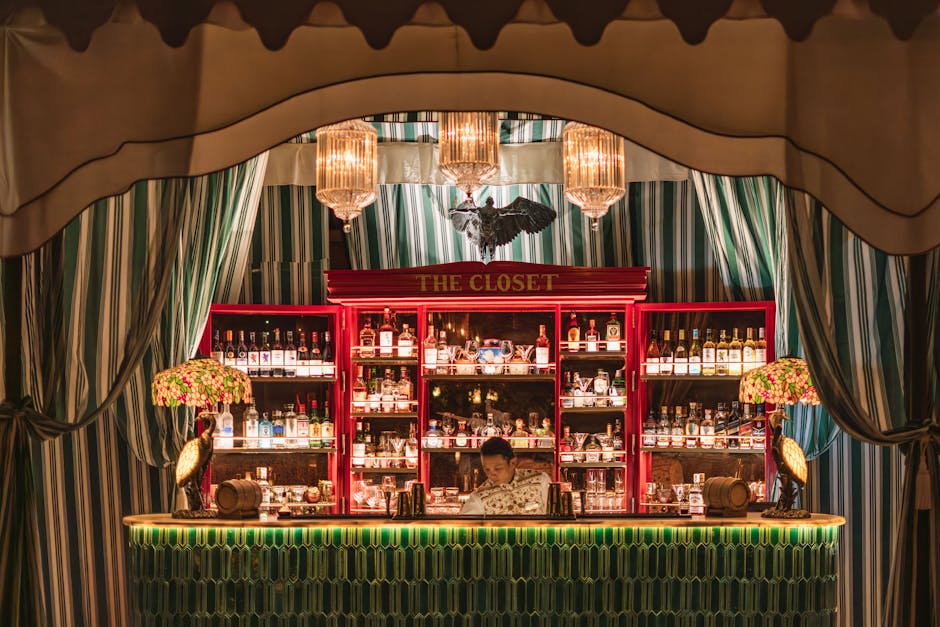
"I used to chase the aesthetic," my friend Mark, a long-term teacher here, told me recently over a pint at a very modern, glass-walled bar in Jing'an. "Now I chase the supply chain. I don't care if the walls are concrete; I care if the sausages are from a reputable butcher."I still struggle with this occasionally. Part of me wants that dark, cozy corner. But my stomach—and my spreadsheet—prefers the reliability of the hotel-adjacent pub.
Strategic Drinking: Mapping Pubs to the Beijing Buffet Scene
If you are in the capital, the ultimate Saturday involves a "strategic pint" followed by a raid on a Beijing buffet. The Chaoyang district is the epicenter for this maneuver. You need to time your hydration levels perfectly to maximize buffet ROI (Return on Investment). Here is my current operational map for the Chaoyang Cluster: 1. The Pre-Game Pint: Start at the clusters around the China World Trade Center. There are several Irish and British-style pubs tucked into the basements and annexes here. Order a light lager or a session IPA. Do not drink a Stout; it’s too heavy before a buffet. 2. The Transit: From the Trade Center, it is a brisk 10-15 minute walk to the major hotel belt. This walk is crucial for metabolism. 3. The Target: The Beijing buffet scene in the CBD hotels is legendary. We are talking about seafood piles that rival Billingsgate Market. The CBD Strategy: Most people make the mistake of eating at the pub. Do not do this. The pub is for the social lubricant and the crisps. The hotel is for the calories. I have a spreadsheet tracking the "Lobster-to-Pint" ratio of various locations. Currently, the hotels near the Third Ring Road offer the best value, provided you book via Dianping or the hotel’s WeChat mini-program at least 48 hours in advance.
Note on Transport: Even though the distance looks short on a map, Beijing blocks are massive. If the air quality is bad (AQI > 150), abandon the walk and take a Didi. Your lungs will thank you.
One thing I still haven't figured out is why the draft beer inside the buffet is always so terrible compared to the pub next door. Is it a loss-leader strategy? Or just bad keg management? It remains a mystery to me.
Industry Analysis: The Hospitality Landscape in Tier 1 Cities
The hospitality sector in China's Tier 1 cities has undergone a forced evolution over the last few years. According to National Bureau of Statistics data, while general catering revenue fluctuates, the premium segment—where major hotel chains operate—has shown specific resilience patterns. We are seeing a market consolidation. Standalone expat bars are struggling with rent hikes and variable footfall. Meanwhile, venues integrated into mixed-use developments (hotel + mall + office) are maintaining stability. They benefit from the "captive audience" of business travelers and the growing Chinese middle class who have developed a taste for craft beer and Beef Wellington. From an investment perspective, the "British Pub" concept in China is shifting from a low-margin booze den to a high-margin "lifestyle dining" experience. The establishments that recognize this—serving wagyu burgers alongside their IPA—are the ones posting positive numbers in Q3 and Q4 of 2023.Networking Nodes: Where Business Actually Happens
It is a cliché that business in China happens at the dinner table, but for the British community, it happens standing up with a glass in hand. The British Chamber of Commerce in China frequently holds mixers, and their venue choices almost exclusively target these hotel-adjacent hubs. Why? Because they are neutral ground. A standalone bar can be too noisy or too casual. A hotel bar provides the right acoustics for discussing fintech regulations or automotive exports. In Shanghai, the networking node has shifted away from the pure nightlife streets like Yongkang Road (which has changed drastically anyway) toward the lounges of Shanghai hotels in Jing'an and Lujiazui. If you are looking to meet decision-makers, do not go to the cheap student dive bar. Go to the place charging ¥80 for a G&T. The entry price acts as a filter.
Comments
Comments are currently closed. Have feedback or a question? Reach out through the contact info on the About page.