The Numbers Game: Understanding Shanghai's Medical Density
As a financial analyst, I find comfort in the brutal honesty of a spreadsheet. When I first arrived in Shanghai back in 2015—fresh from Manchester and naïvely expecting a queue to be a straight line—I applied the same logic to the city's healthcare system as I did to FinTech market trends: look at the volume, assess the capacity, and calculate the risk. The sheer scale of Shanghai's medical infrastructure is staggering, yet mathematically terrifying if you don't understand the density. According to official statistics, Shanghai has one of the highest concentrations of medical resources in Mainland China. However, when you cross-reference this with a population pushing 25 million, the "beds per 1,000 people" metric tells a different story.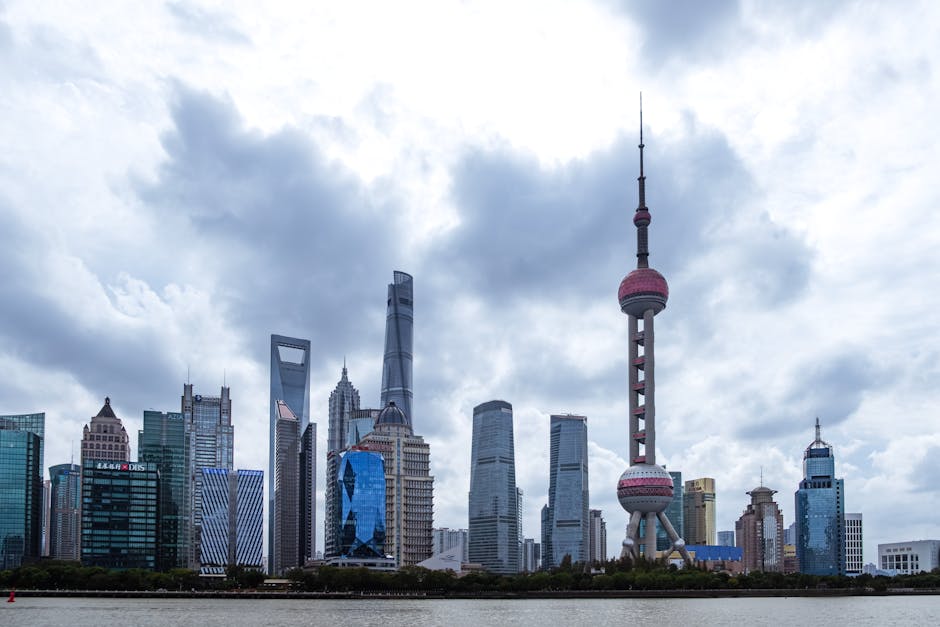
Data Snapshot (2021 Stats):
In Shanghai, the density of medical technicians per 1,000 population is significantly higher than the national average, yet the average outpatient waiting time remains high due to the volume of patients from neighboring provinces seeking care in the city.
In Shanghai, the density of medical technicians per 1,000 population is significantly higher than the national average, yet the average outpatient waiting time remains high due to the volume of patients from neighboring provinces seeking care in the city.
The Tier System Confusion: Why 'San Jia' Matters
If you learn nothing else from my ramblings today, learn this: Not all hospitals are created equal, and your local community clinic is not your GP. In the UK, we are conditioned to see a General Practitioner for anything short of a missing limb. Here, the system is hierarchical. The National Health Commission of the PRC classifies hospitals into three tiers (Class I, II, and III). Class I (Yi Ji): Community health centers. Good for simple prescriptions or a flu shot, but they lack advanced diagnostic equipment. Class II (Er Ji): Medium-sized district hospitals. Class III (San Jia): The gold standard. These are large, comprehensive, teaching hospitals. The problem for us expats is the "San Jia" obsession. Because everyone knows Class III hospitals have the best doctors and equipment, everyone goes there. Got a headache? Go to San Jia. Broken toe? San Jia. This bypasses the triage system entirely. For the uninitiated, walking into a local Class I clinic feels risky, but walking into a Class III public department without a plan is suicide by queuing. I once tried to explain this tier system to my visiting brother—he just wanted to know where to get paracetamol. I ended up drawing a flow chart on a napkin.The VIP Ward Experience: Tales from the Community
I haven't personally tested every VIP ward in the city—my insurance premiums are high, but not "test a hospital for fun" high. However, lurking in the 'Shanghai Expat Dads' WeChat groups creates a pretty clear picture of the landscape. The consensus regarding the "International Departments" (VIP wards) within major public hospitals like Huashan or Ruijin is generally positive, but with caveats. These departments are essentially 'hospitals within hospitals.' You get the same top-tier doctors from the main public wing, but in a sanitized, quiet environment with English-speaking nurses (mostly).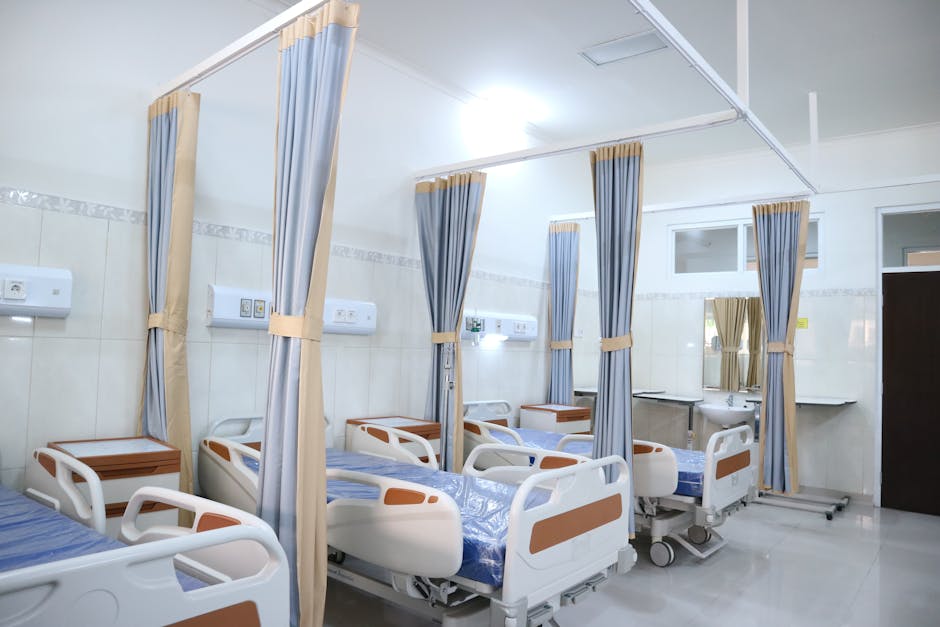
Tip: Even in VIP wards, bring your own toilet paper and soap. It sounds ridiculous for the price you pay, but old habits die hard in the institutional infrastructure.
A Brief Obsession with the Cost of Tea and Bandages
Speaking of paying premiums, I have a spreadsheet (Row 45, Column B) tracking the registration fees for these VIP departments. You are looking at anywhere from 300 RMB to 800 RMB (£35 - £95 at current rates) just to register. That doesn't include meds or tests. It reminds me of my other expensive habit: collecting vintage tea sets. Last weekend at the Fangbang Road market, I haggled over a Republican-era teapot. The vendor wanted 2,000 RMB. Why? Not because the tea tastes better, but because of the provenance—the assurance of quality. Healthcare here works on the same principle. You aren't paying 800 RMB because the doctor is smarter than the one in the 25 RMB public queue next door (it's often the same doctor doing a rotation). You are paying for the provenance of your time. You are buying the right to not be shoved. It's an efficiency tax. Is it worth the price of a high-end afternoon tea at the Peace Hotel? When you have a screaming toddler with a fever, absolutely. Incidentally, if you are looking for actual afternoon tea, check out the options near the Bund. I recently wrote about Beyond the Shanghai Dumpling House: Top Shanghai Hotels for a Christmas Roast, and many of those venues do a decent scone, though the clotted cream is never quite right.The Tuesday Morning Chaos: My Public Hospital Reality Check
It was a Tuesday in November 2019. It was raining that specific type of cold, horizontal Shanghai rain that soaks your ankles. Mia, then just a baby, had spiked a fever of 39°C. I made the tactical error of going to the standard public fever clinic at the Children's Hospital because the VIP wing was closed for the night. The sensory overload hits you the moment the sliding doors open. It smells of rubbing alcohol and damp wool. The noise is a constant, low-frequency roar of shouting numbers and crying children. There is no privacy. I was describing Mia's symptoms to a doctor while three other grandmothers hovered behind me, literally reading my notes over my shoulder to see if my daughter had the same thing their grandson did. I paid 25 RMB (£3) for the consultation. Three pounds. You can't even get a pint for that in Manchester anymore. The blood test was done in 12 minutes. The results were printed 15 minutes later. We were out in under an hour with medicine. This is the trade-off. The public system is a marvel of industrial-scale efficiency. It is cheap, fast (if you know how to use the automated machines), and effective. But it is brutal. I spent the entire hour sweating, guarding my place in line, and trying to decipher the rapid-fire Shanghai dialect—or shanghai in chinese (Shanghai hua)—being yelled by the triage nurse.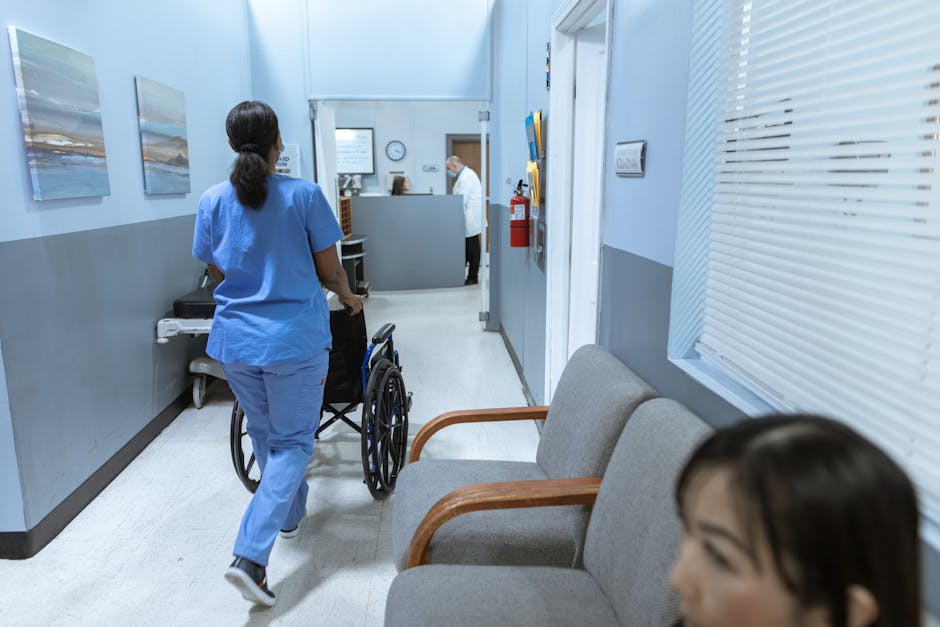
Huashan Hospital and the Hotel Connection
Location is everything in this city. It's no coincidence that Huashan Hospital—arguably the best in the city for dermatology and neurology—is situated in the leafy Jing'an district, a stone's throw from some of the city's most prestigious Shanghai hotels. There is a micro-economy of medical tourism here. You often see wealthy patients from Wenzhou or Jiangsu checking into the 5-star hotels nearby (like the Hilton, before it rebranded, or the Kunlun) while receiving outpatient treatment at Huashan's Worldwide Medical Center. If you are visiting and staying in one of these Shanghai hotels, you might be lulled into a false sense of security thinking the hospital next door will treat you like a hotel guest. They won't. Unless you have the right insurance card in your wallet, you are just another number in the queue. This proximity is convenient, but dangerous for the wallet. I've known business travelers who walked across the street from their hotel to the hospital, assuming a quick check-up would be cheap, only to get funneled into the VIP wing and slapped with a bill that made their travel expense report look very suspicious. For those concerned about where to base themselves for medical access versus airport convenience, I previously analyzed Shanghai Hotels Near PVG: Where to Stay for Your Arrival and Expat Health Check, which touches on the logistics of arrival health screenings.Is Your Travel Insurance Actually Worth the Paper It's Printed On?
Here is the financial analyst in me screaming at you: Do not rely on "reciprocal agreements." The UK and China do not have one. The GOV.UK Foreign Travel Advice is explicitly clear: "There is no free medical treatment for British nationals in China." If you end up in a VIP ward (and you will want to), you are facing bills of thousands of RMB per day. Many local hospitals do not accept foreign credit cards. Cash is no longer king here—WeChat Pay is king—but can you transfer £5,000 to your WeChat wallet instantly at 3 AM? Unlikely.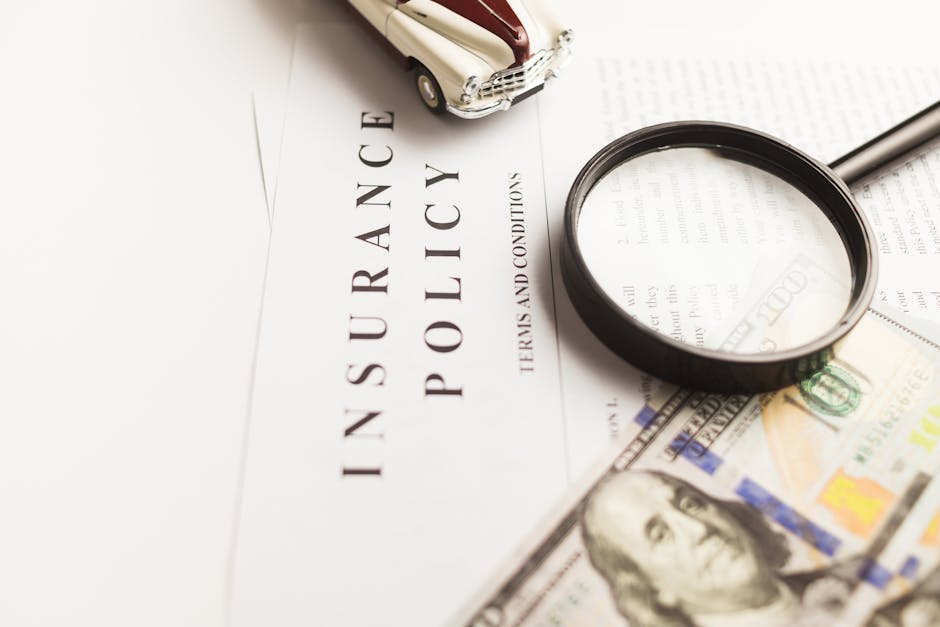
The Direct Billing Trap
The holy grail is "Direct Billing." This means the hospital bills your insurer directly. VIP Wards: Usually accept major international insurers (Cigna, BUPA, Allianz) for direct billing if you have your card and guarantee letter. Public Wards: Almost never accept direct billing. You pay cash/WeChat, keep the fapiao* (official invoice), and fight with your insurer months later. If you are moving here, or even just visiting, check your policy wording. Does it cover "High Cost Providers"? In Shanghai, United Family and the VIP wings of San Jia hospitals are often categorized as high cost. If you tick the "cheapest option" box on your travel insurance, you might find yourself legally barred from the only hospitals where the doctors speak English. I still haven't figured out why dental coverage is seemingly excluded from every standard expat package unless you sell a kidney to pay for the premium. If anyone knows a decent insurer that covers root canals without a 12-month waiting period, let me know in the comments.If this was useful, check out:
Comments
Comments are currently closed. Have feedback or a question? Reach out through the contact info on the About page.