Update: April 12, 2024
Author's Note: If you are here because you’re still traumatised by my previous rant, Why I Will Never Travel During Golden Week Again, welcome back. I have recovered from the crowds, though my wallet is still recovering from the flight prices back to Manchester last Christmas. This guide is the antidote to that chaos: a structured, spreadsheet-verified look at living and working near Fudan in 2024.
From Daxue Road to the Lecture Hall: The Vibe Shift
Stand at the intersection of Songhu Road and Zhengmin Road in Yangpu District, and you are straddling two very different versions of Shanghai. To your left lies the glossy, hyper-commercialised stretch of Daxue Lu (University Road); to your right, the imposing, leafy solemnity of the Fudan University Handan campus.
The Salary vs. Lifestyle Equation (My Spreadsheet Obsession)
My wife, Yan, has threatened to divorce me if I bring up my "Cost of Living" Excel spreadsheet one more time at the dinner table. But as a financial analyst by trade, I cannot help myself. I track everything. And the metric I watch most closely for my academic friends is what I call the Flat White Index. In 2015, a decent coffee was a luxury, sure, but it felt manageable. In 2024, the average price of a flat white in a non-chain independent café in Shanghai is hovering around 32-38 RMB. That is roughly £3.50 to £4.15. That is London pricing. In some cases, it is more than Manchester pricing.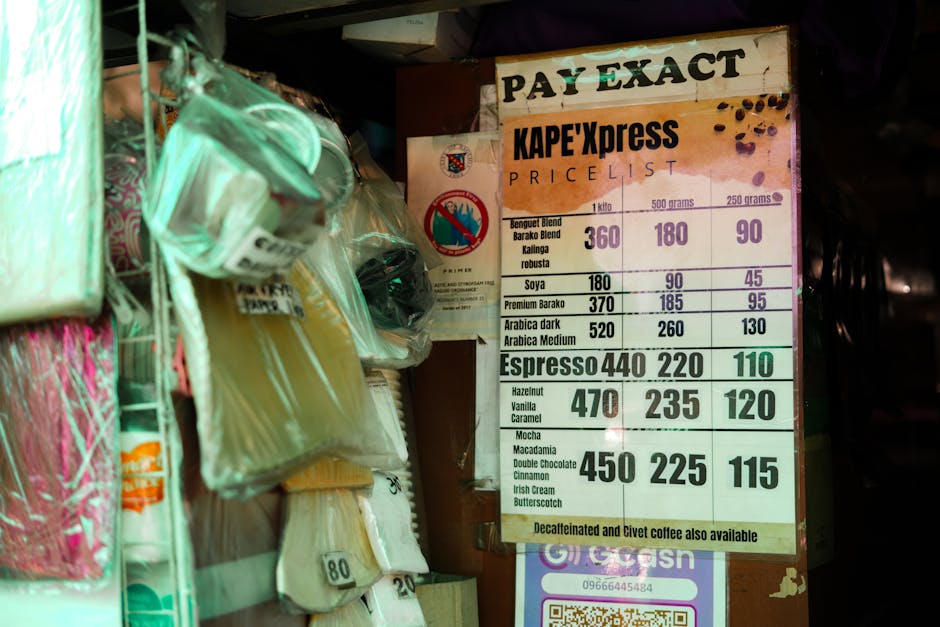
Is the 'Golden Era' of Tax-Free Perks Over?
Tax structures keep me up at night so you don't have to. In previous years, the advice was simple: "Cash is king. Get the highest gross salary you can." That advice is now dangerous. In 2024, structure is everything. Expatriates in China have long enjoyed tax exemptions on specific benefits-in-kind: housing rental, children's education, and laundry/meal allowances. There was a massive panic that these would be scrapped on January 1, 2022, and then again in 2023. The good news: According to the State Taxation Administration (STA), these policies have been extended through to the end of 2027. The bad news: University HR departments are notoriously conservative. Just because the law allows tax-free deductions, doesn't mean Fudan (or Tongji, or NYU Shanghai) will automatically set it up for you. You have to advocate for it during the contract phase.
Pro Tip: Do not accept a flat 25,000 RMB salary. A salary of 25k is fully taxable. A salary of 15k + 10k Housing Allowance means you are only taxed on the 15k (provided you produce an official fapiao tax invoice for your rent). The difference in your take-home pay can be hundreds of pounds a month.
This is critical if you have children. My daughter, Mia, is just a toddler, but we are already looking at international kindergartens. Without the tax exemption on education costs, the fees are eye-watering—easily £20,000 a year. If you are on a lecturer's salary, that is simply unaffordable without tax efficiency.
The Budget Breakdown: 2021 vs. 2024
Let's look at the hard data. I pulled these numbers from my personal ledger (yes, the spreadsheet again) and cross-referenced them with Numbeo's Cost of Living in Shanghai data to ensure they reflect the market, not just my own penchant for imported cheddar. We are looking at a "Comfortable Single Teacher" profile living in the Wujiaochang area (near Fudan).| Expense Category | Monthly Cost (2021) | Monthly Cost (2024) | Notes |
|---|---|---|---|
| Rent (1BR Modern Apt) | 7,500 RMB | 8,800 RMB | Wujiaochang popularity has spiked prices. |
| Utilities (Elec/Water/Gas) | 350 RMB | 450 RMB | Summer AC bills are the killer. |
| Internet & Phone | 150 RMB | 200 RMB | 5G plans are standard now. |
| Groceries (Mixed) | 2,500 RMB | 3,200 RMB | Imported cheese is my weakness. |
| Transport (Metro/Didi) | 400 RMB | 500 RMB | Didi prices have crept up slightly. |
| VPN / Digital Services | 100 RMB | 120 RMB | Essential. See: Surviving the Great Firewall. |
| Healthcare/Insurance | 0 RMB (Uni covered) | 1,500 RMB (Top-up) | Basic cover isn't enough anymore. |
A Note on Rent: You might think, "I'll just live further out and commute." Be careful. The Shanghai Metro is brilliant—check my Mastering the Shanghai Metro guide—but Fudan morning traffic is brutal. Wujiaochang is a commercial hub. If you move to a cheaper district like Baoshan, you are trading money for sanity.
The 'Foreign Expert' Myth vs. Contract Reality
There is a lingering myth from the 2010s that being a "Foreign Expert" (the official term on your residence permit) gives you a sort of diplomatic immunity against bureaucracy. "Oh, I'm at Fudan," people used to say, assuming the university's prestige would shield them from visa headaches or strict attendance rules. I am no expert on the legal minutiae, but Ministry of Education regulations concerning foreign teachers have noticeably tightened. It is not just about having the right degree anymore; it is about compliance. From what I hear in the local community WeChat groups, three areas have become non-negotiable: 1. Strict Attendance: Biometric check-ins are reportedly becoming standard. You cannot just cancel a class and "make it up later" over a beer with students. Everything is logged. 2. Visa Renewal Scrutiny: If you change addresses and fail to register with the police within 24 hours, it can jeopardize your visa renewal. 3. The "Side Hustle" Ban: In 2015, everyone seemed to have a side gig tutoring kids. In 2024, your work permit is strictly tied to your employer. Online discussions suggest that the tolerance for "grey area" employment has evaporated. One acquaintance, a brilliant history teacher, faced a non-renewal simply because his administrative paperwork was consistently late. It wasn't about his teaching; it was about his inability to feed the bureaucratic machine.
Comments
Comments are currently closed. Have feedback or a question? Reach out through the contact info on the About page.