The Death of the 'Metro-Only' Mantra
If you had met me at a pub in Jing’an back in 2015, fresh off the plane from Manchester with a suitcase full of optimism and factor 50 suncream, I would have told you with absolute certainty: "You do not need a car in Shanghai." I was militant about it. I wrote entire guides on the subject, preaching the gospel of Line 2 and the efficiency of the Maglev. And for a single guy living in a studio apartment, I was right. But time changes our logistical requirements. Fast forward ten years to 2025. I am now 37. I am married to Yan, who has very specific opinions about air conditioning flow, and we have a toddler, Mia, whose gear occupies more cubic footage than my first apartment in Chengdu. The breaking point wasn't a gradual realization; it was a specific Tuesday last November. I was attempting to transport a fragile, Qing-dynasty style tea set (a find from a market in Gubei) and a screaming two-year-old on the Metro during rush hour. As I shielded the porcelain with my body while being compressed against a glass door at People's Square, I looked at the condensation on the window and thought: Never again.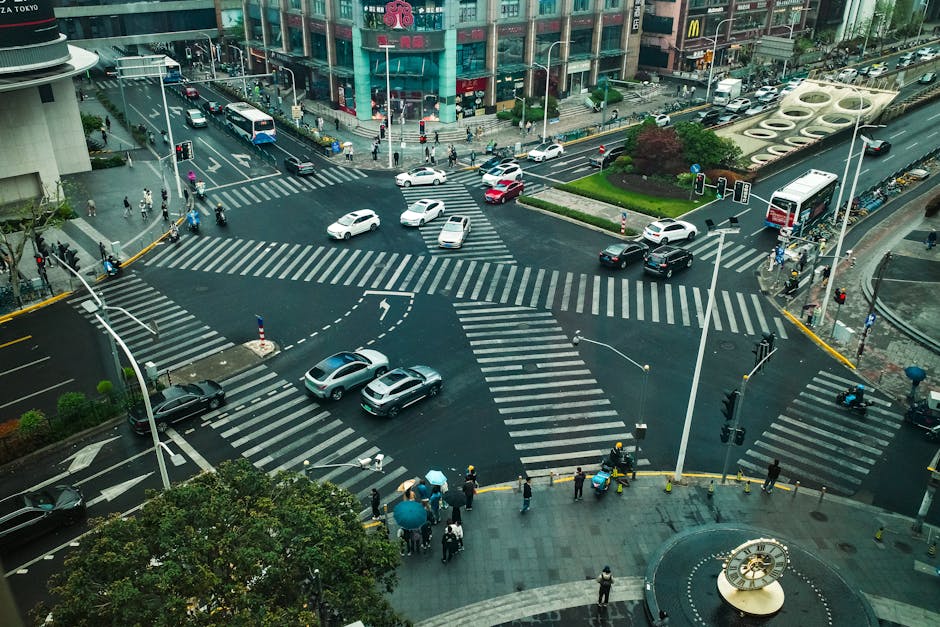
The "Green Plate" Difference: In Shanghai, a standard blue license plate for a petrol car is obtained via an auction that costs approx. £10,000 (90,000+ RMB). "Green plates" for EVs are currently free or heavily subsidized, though qualification rules are tightening every year.
If you are still navigating the subway system, my old advice still holds up technically, even if I've moved on: Mastering the Shanghai Metro: A Beginner's Guide.
Crunching the Numbers: The Financial Analyst's View
I cannot help myself. I have a spreadsheet for everything, from the best xiaolongbao price-to-soup ratios to my current electricity consumption. When Yan agreed to the car, my first move wasn't to kick the tires, but to open Excel. The primary argument against cars in Shanghai has always been cost. Petrol is not cheap here, and parking in the city center can be extortionate. However, the economics of EVs are distinct. Let’s look at the fuel costs first. Using data from Numbeo: Gas Prices in Shanghai, the price of gasoline hovers around £0.92 per liter (approx. 8.5 RMB). A traditional petrol SUV in Shanghai traffic manages perhaps 25 miles per gallon if you are lucky. Contrast this with my home charging setup. I pay residential electricity rates during off-peak hours (10 PM to 6 AM).| Mode of Transport | Cost Per 100km (GBP) | Notes |
|---|---|---|
| Petrol Car (ICE) | ~£8.50 | Based on traffic-heavy city driving. |
| My EV (Home Charge) | ~£0.85 | Charging at night (0.3 RMB/kWh). |
| Metro (Family of 3) | ~£1.50 | Assumes 3 tickets across town. |
The Parking Anxiety: What the Community Says
However, spreadsheets don't account for the psychological torture that is finding a parking space in the Former French Concession. We live in a newer compound in Pudong with underground parking and installed charging piles. This is the "Happy Path." But I have to be honest about the flip side. I caught up with a mate of mine, Dave, who lives in a beautiful, historic lane house near Wukang Road. He bought a Tesla Model 3 last year and sold it four months later. "It's a nightmare, Oliver," he told me over pints. "I can't charge at home because the wiring in the lane house dates back to the 1930s. I have to drive to a mall, sit there for 45 minutes watching TikTok while it charges, and then fight for a street spot when I get back. It became a second job."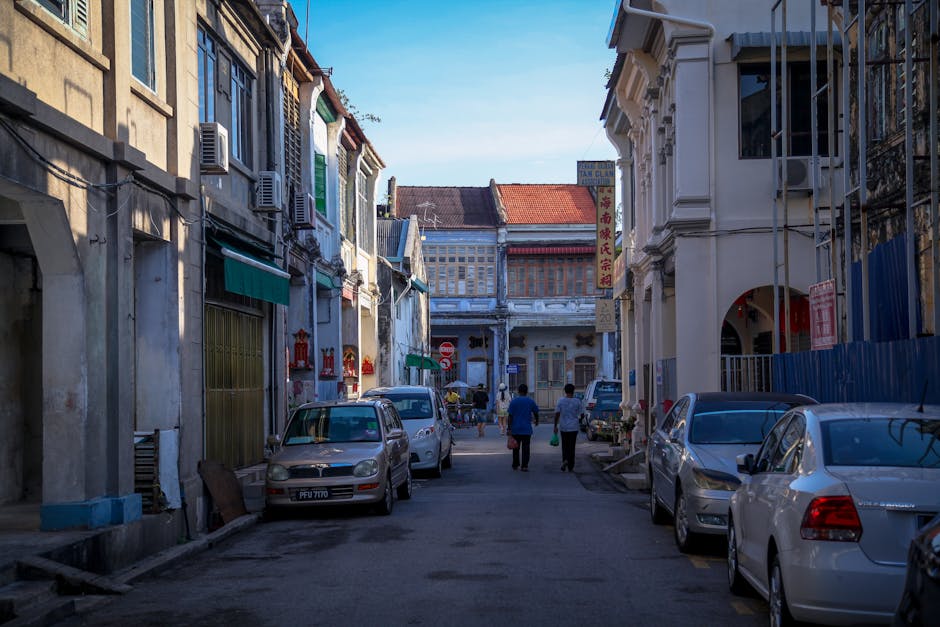
Is the Drive to PVG Actually Faster?
Here is the question I get asked most often: Is driving to the airport actually faster than the Maglev? I recently had to pick up my parents who were visiting from Manchester. They were landing at Shanghai PVG (Pudong International) at 4:00 PM on a Friday—peak chaos time.The Route: From our home in Pudong to PVG usually involves the Middle Ring Road (Zhonghuan) connecting to the S1 Highway.
In a pure speed test, the Maglev wins. It hits 300km/h (sometimes 430km/h depending on the time of day) and covers the distance to Longyang Road in 8 minutes. But that's not the whole journey.
The Maglev Journey (Door-to-Door):
Taxi to station (15 min) + Ticket queue/Security (10 min) + Wait for train (10 min) + Train ride (8 min) + Metro transfer at Longyang (15 min) + Walk to home (10 min).
Total: ~68 minutes. And you are hauling luggage the whole time.
The EV Journey:
Load boot at home -> Drive -> Park at P1 Garage.
Total: 55 minutes (with moderate traffic).
I put the car in "Comfort Mode," turned on the massage seats (yes, really), and listened to a podcast. The 0-60mph time of my EV is 4 seconds, which is utterly irrelevant on the S1 highway where traffic flows at a steady 50mph. But the psychological ease? Unbeatable.
If you are a solo traveler with a backpack, take the train. I’ve detailed that experience here: Is the Shanghai Maglev Worth It? China's Fastest Train to PVG Airport. But if you are picking up elderly parents with three suitcases of gifts from the UK? The car is the only civilized option.
Arrival at Lujiazui: The Belly of the Beast
Last week, I had a meeting at the Shanghai Tower. Driving into the belly of Lujiazui feels less like entering a business district and more like docking a spaceship. The spiral ramp down to the B3 parking garage of the Shanghai Tower is tight, humid, and smells faintly of rubber and money. But here is where the infrastructure shift hits you. Five years ago, you’d be lucky to find a single working charging pole.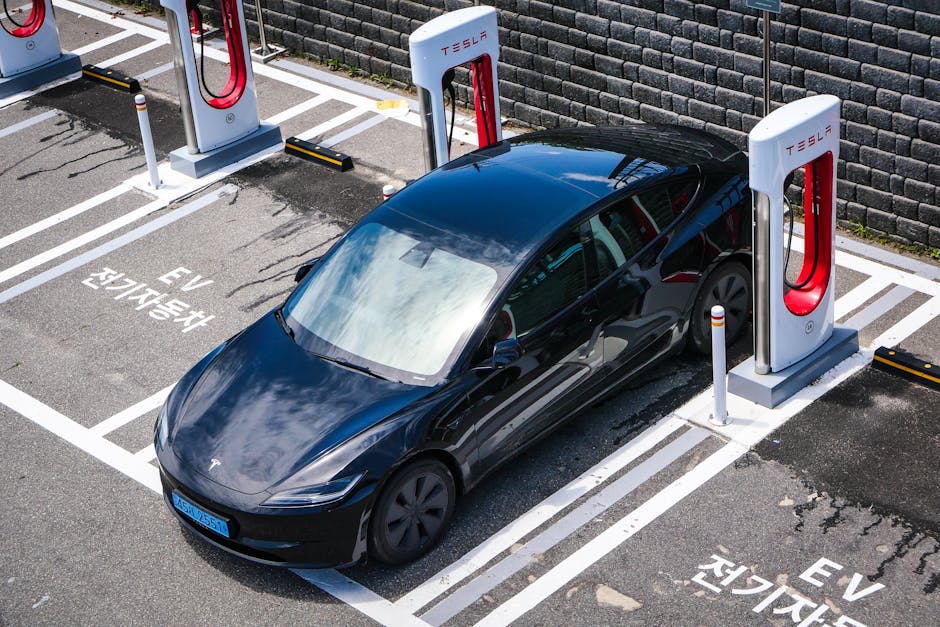
A Brief Detour on Dashboard Tech
I need to talk about Nomi. Nomi is the AI assistant that sits on the dashboard of my car. It’s a little round digital face that swivels to look at you when you speak. It is terrifyingly cute. My daughter, Mia, speaks to Nomi more than she speaks to me during car rides. "Hey Nomi, play Baby Shark," she commands from the back seat in Mandarin. Nomi obliges instantly. I tried to ask Nomi to find a route with less traffic, and she routed me off the Yan'an Elevated Road just before a massive jam, saving me 20 minutes. It’s a strange feeling, being a passenger in your own life while a robot and your three-year-old discuss the playlist. But this tech is the real killer app of Chinese EVs. It’s not the battery range; it’s the integration. The navigation is aware of every traffic camera, every lane closure, and every charging station status in real-time. There is one thing I still haven't figured out, though: Why does the GPS navigation voice sometimes switch to a thick Beijing accent when I cross the Huangpu River? Is it a bug, or is the car judging me for living in Pudong? I honestly don't know.Ten Years of Transit: The Verdict
Looking back at my timeline in this city, my transit choices map perfectly to my life stages. 2015: The lost Brit on the bus, holding a crumpled piece of paper with an address written in Chinese characters I couldn't read. 2017: The Metro master, judging tourists who blocked the doors. 2020: The Didi (ride-hailing) addict, burning money on convenience. 2025: The EV owner, obsessively checking tire pressure on an app.
Comments
Comments are currently closed. Have feedback or a question? Reach out through the contact info on the About page.