Renting vs. Buying: The Manchester Math vs. Shanghai Reality
When I first touched down in China in 2015, fresh from Manchester with a suitcase full of optimism and a basic grasp of Mandarin, my financial instincts were purely British: get a steady job, save a deposit, and get on the property ladder immediately. In the UK, we are raised to believe renting is "dead money." Eight years later, sitting in my Puxi apartment with a cup of tea (brewed with water boiled twice, naturally), my spreadsheets tell a very different story. The "Manchester Math" simply doesn't compute here. In Shanghai, the rental yield—the return on investment if you were renting out a property—is notoriously low, often hovering around 1.5% to 2%. Conversely, mortgage interest rates for foreigners can be higher than those offered to locals. If you are obsessed with efficiency like I am, you have to look at the numbers cold. I’ve broken down the comparison below based on market conditions as of May 2023.| Category | Renting (The Norm) | Buying (The Commitment) |
|---|---|---|
| Upfront Costs | Deposit: Usually 1-2 months' rent. Agency fee: 35-50% of one month's rent. | Down Payment: Minimum 30% for first home, often higher for foreigners depending on the bank. |
| Monthly Outgoings | Fixed rent. Often 50% cheaper than the mortgage payment for the same unit. | Mortgage + Property Management Fees (can be high in luxury compounds). |
| Flexibility | High. Move annually. Vital if your job location shifts between Pudong and Puxi. | Low. Selling property as a foreigner involves significant bureaucratic hurdles to repatriate funds. |
| Legal Rights | Subject to landlord whims (selling the unit, raising rent). | 70-year leasehold ownership. Stability for schooling and visa residency proof. |
The "Hukou" Factor: For my Chinese wife, Yan, buying property is linked to the Hukou (household registration) system, which dictates social benefits. For us foreigners, property ownership does NOT grant a Hukou or citizenship. It is purely a right of residence.
The Golden Rule: You Only Get One Shot
There is a persistent myth among my mates back in the UK that wealthy expats are snapping up condos in Asia to flip for profit. This is categorically impossible here. The market is tightly regulated to prevent speculation. According to regulations reinforced by The State Council of the PRC, foreign individuals are restricted to purchasing one residential property for self-use only.Eligibility Checklist (The "Must-Haves")
To even step into a sales office without getting laughed out, you must meet these criteria: 1. Work Requirement: You must have worked in China for at least 12 months. (I’ve been here 8 years, so I’m safe, but newcomers beware). 2. Valid Contract: You need a current labor contract and tax records to prove it. 3. The Commitment: You will sign a terrifyingly official document stating the property is for personal dwelling purposes."Oliver, can we just rent it out if we move back to Manchester?" my dad asked me over FaceTime last week. "Technically, no," I explained, pulling up my reference spreadsheet to check the specific regulation code. "Legally, foreigners cannot be landlords here. While some people do it under the table, if you get caught, the tax implications and fines are a nightmare I'm not willing to risk."This rule changes the psychology of the purchase. You aren't diversifying a portfolio; you are anchoring yourself to the city.
Shadow of the Tower: Location, Location, Inflation
If you stand on the pedestrian ring road in Lujiazui, looking up at the trinity of skyscrapers, the humidity hits you like a wet towel. The tallest, twisting into the clouds, is the Shanghai Tower. When you see Shanghai in Chinese characters (上海) on signs around here, they feel weightier, backed by the immense capital flow of this financial district. Prices ripple out from this point. This is the "Shanghai Tower Effect." Lujiazui & The Bund: The premium here is astronomical. You are paying for the view and the status. Pudong (General): Newer, planned communities, wider roads. Great for driving, less "soul" than the historic side (in my biased opinion). Puxi (The Historic Center): Where I live. Tree-lined streets, older infrastructure, but arguably holds value better due to scarcity of land. The agents hanging around Yanlord Garden (a popular complex for expats in Lujiazui) will quote numbers that make London look reasonable. However, living "near" the Shanghai Tower doesn't necessarily mean living in Lujiazui. A 15-minute subway ride away can drop the price per square meter by 30%.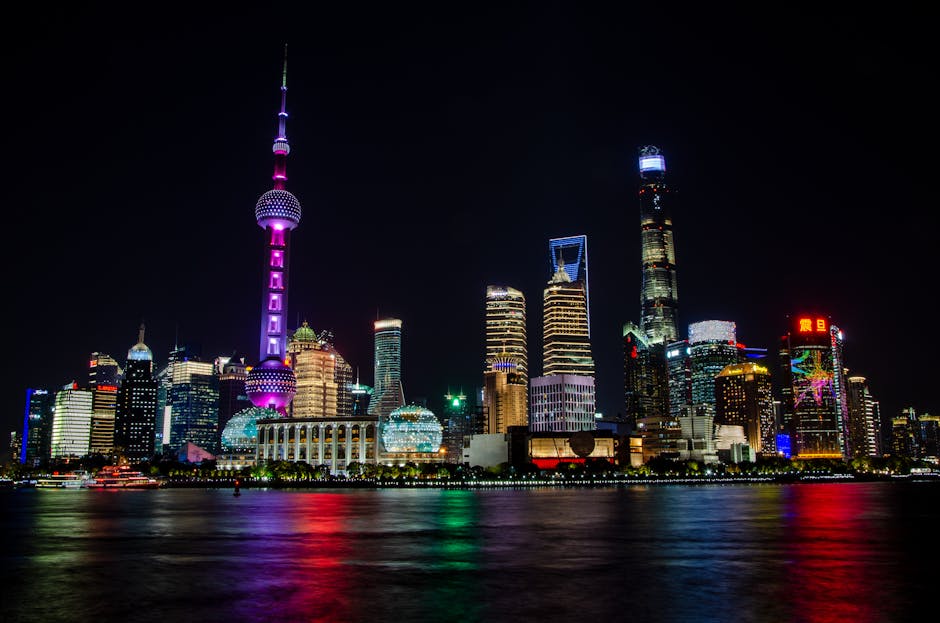
The Financial Gauntlet: Can You Actually Afford It?
I’m going to be blunt. Put down the tea and look at the data. According to Numbeo Shanghai Property Investment data (last checked May 2023), the price per square meter for an apartment in the City Centre is roughly ¥100,000 to ¥120,000. Let me convert that for the folks back home using today's rate: That is approximately £11,500 to £13,800 per square meter. A modest 100-square-meter apartment (about 1,076 sq ft) will cost you over £1.1 million.The Down Payment Reality
In the UK, you might squeak by with a 5% deposit. In Shanghai, banks generally require a minimum of 30% down payment for a first home. However, for foreigners, many banks view us as "high risk" and may demand 40% or even 50% upfront.Can You Carry the Mortgage?
Referencing the Hays Asia Salary Guide, even senior financial analysts or directors in Shanghai need to budget carefully. While expat packages are generous, the monthly mortgage on a £700,000 loan (after a massive deposit) is significant.
Tip: Always check if your bank allows early repayment without penalties. Chinese mortgages often have different structures regarding principal repayment compared to UK interest-only options.
Taxation and The Hidden Costs of Ownership
Note: This section contains tax information based on regulations from the State Taxation Administration (STA). I am an analyst, not a tax lawyer. When you buy, the sticker price is just the beginning. 1. Deed Tax (契税): This is the big one. It ranges from 3% to 5% of the property value. However, if it is your only residential property (which it must be, as a foreigner) and is under 90sqm, it can be reduced to 1%. For larger luxury units (over 144sqm), expect to pay the full 3%. 2. Stamp Duty (印花税): Usually 0.05%. Small, but it adds up. 3. Maintenance Funds: You must contribute to the building's public maintenance fund upon purchase. This is roughly ¥100-¥200 per square meter. If you are concerned about how these costs interact with your broader social benefits, read my analysis on China's Social Insurance for Brits.The School District Myth (For Expats)
My wife, Yan, spent months stressing about "Xuequfang" (School District Housing). In the local system, owning an apartment in a specific compound guarantees entry to top-tier public schools. Prices for "dump" apartments near elite schools can rival New York penthouses purely for this right. For us, this was a moot point. As per the Ministry of Education (MOE) policies regarding children of foreign personnel, my daughter Mia holds a British passport. This makes her eligible for International Schools (KIS, SAS, Dulwich, etc.), where admission is based on application, interview, and hefty tuition fees—not on where we own property. Buying a house next to the British International School is a convenience choice for the commute, not a regulatory requirement. Don't pay the "school district premium" if you aren't in the local system.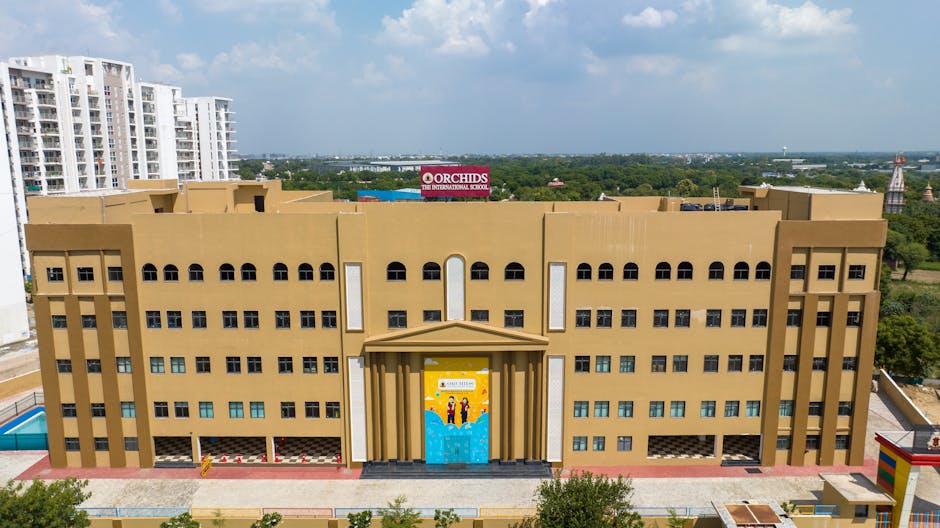
The Step-by-Step Purchase Process
If you have the capital, the eligibility, and the nerve, here is the procedural gauntlet. I went through a similar document gathering process for my residence permit, but property buying is stricter.Phase 1: The "Mingzi" and Money Check
Critical Failure Mode: Your name. In the UK, I am "Oliver James Sterling." On my passport, I am "STERLING OLIVER JAMES." On my Chinese bank account, the order must match my tax receipts EXACTLY. If one document has a middle name and another doesn't, the transaction will fail. Fix this before you bid.
Phase 2: Document Collection (1-2 Weeks)
Prepare the following. Do not use copies; bring originals.- Passport: Must be valid for the duration of the process.
- Proof of Labor: Original labor contract.
- Tax Records: Go to the local tax bureau and print your last 12-24 months of tax payment proofs (Tax Bureau link).
- "Commitment Letter": The signed affidavit that you have no other properties in China.
- Marriage Certificate: If married to a local, this is easy. If married abroad, you may need a notarized translation.
Comments
Comments are currently closed. Have feedback or a question? Reach out through the contact info on the About page.