The 2026 Holiday Schedule and Crowd Analytics
The Yu Garden Lantern Festival is not merely a tourist attraction; it is a statistical anomaly of population density that occurs once a lunar cycle. For the Year of the Horse in 2026, the official public holiday schedule dictates the flow of human traffic. According to The State Council of the PRC, the Spring Festival holiday officially runs from February 16th to February 23rd. However, my data tracking suggests the crowds at Yu Garden peak well before the statutory days off even begin. Historic data from the last decade indicates a sharp bifurcation in ticketing. While the garden is technically open to the public, the Lantern Festival implements a tiered ticketing system during "peak nights" to manage capacity. For 2026, the paid entry period is enforced from February 8th through the Lantern Festival proper.
Entry Requirements for British Visitors: If you are flying into Shanghai specifically for this spectacle, ensure your documentation is in order. While policies have relaxed significantly since my arrival in 2015, always verify current visa-free entry rules via GOV.UK before booking flights.
Estimated Peak Density Hours (2026 Forecast):
| Time Slot | Crowd Density Level | Average Walking Speed |
|---|---|---|
| 10:00 - 14:00 | Moderate | Normal (1.4 m/s) |
| 16:00 - 18:00 | High (Lights turn on) | Slow (0.5 m/s) |
| 19:00 - 21:00 | Critical (Shoulder-to-shoulder) | Stationary / Shuffling |
The Logistics of Chaos: Survival Strategies
The fundamental problem with visiting Yu Garden during CNY isn't the ticket price; it is the infrastructure bottleneck at Metro Line 10/14's Yu Garden Station. Exiting the station during peak hours (18:00–20:00) can take upwards of 25 minutes just to reach street level due to crowd control measures that divert passengers through a labyrinth of police barricades. Once you are on the surface, hailing a cab is statistically impossible. The algorithm for ride-hailing apps like DiDi collapses under the weight of simultaneous requests. The Solution: Do not use Yu Garden Station. Instead, take Line 10 to Laoximen Station (one stop away) or Line 14 to Dashijie Station. From either, it is a brisk 15-minute walk. It sounds counterintuitive to walk further to save time, but my spreadsheets confirm that you bypass the 25-minute station exit queue and the gridlocked pedestrian diversions. If you demand a car, book a DiDi Premier (approx. £8-£12 depending on surge) at least three hours in advance, but set the pickup point at The Westin Bund Center, not the garden itself. The Dining Problem: Eating inside the garden area is a novice mistake. The queues for Nanxiang Steamed Bun Restaurant will be 2+ hours long, and the prices are inflated by roughly 40%. You're paying for the view of the Chinese garden scenery, not the culinary excellence. The Budget Strategy: I strongly advise dining near the Bund or French Concession before heading to the chaos. Below is a realistic budget for a couple's evening out, converted to GBP (Rate: £1 ≈ 9.2 RMB as of Jan 2026). Source for base costs: Numbeo Shanghai. Last verified: 2026-01-20. Entry Tickets (Peak Night): ~£8.70 per person (£17.40 total) Pre-show Dinner (Mid-range, 2 courses): ~£45.00 Transport (Metro in, DiDi Premier out): ~£13.50 Emergency Water (Bottled, never tap!): £2.00 * Total Forecast: £77.90Tip: If you are looking to understand the cost of living dynamics in this part of town compared to, say, Lujiazui, check my breakdown on Living Near the Shanghai Tower: Costs, Culture, and Learning "Shanghai" in Chinese.
Inside the Zigzag Bridge: A Visual Guide
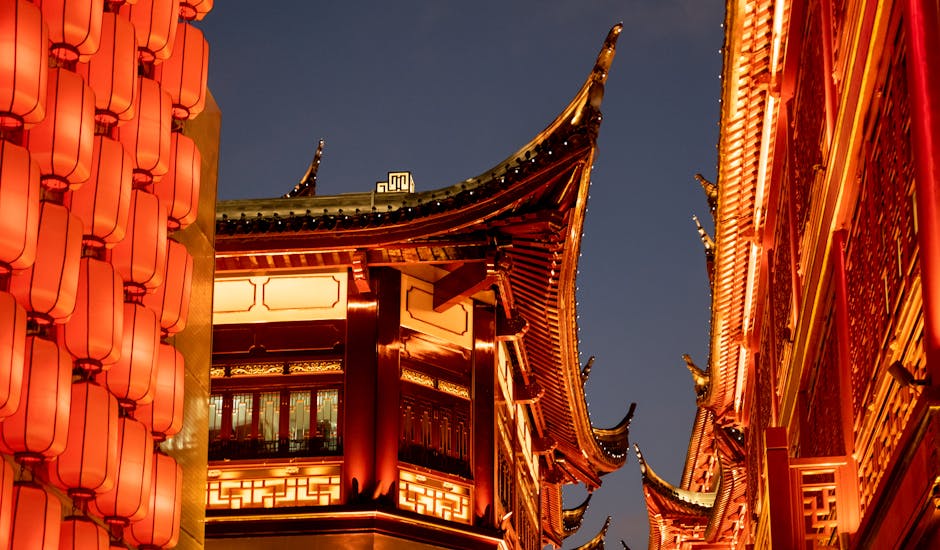
The centerpiece of the chaos is invariably the Nine Turn Bridge (Zigzag Bridge) leading to the Huxinting Teahouse. In the Year of the Horse, the lantern displays have shifted from the serpentine dragons of two years ago to dynamic, galloping equines suspended over the lotus pond. The neon LEDs reflect off the dark water, creating a surreal, cyberpunk juxtaposition against the Ming-style architecture. The air is thick—not just with the humidity that defies the January chill, but with the scent of stinky tofu wafting from the snack streets and the faint, acrid smell of ozone from thousands of flashing light-up toys sold to children. It is a sensory assault. The architecture here is "Shanghai in Chinese" history writ large: ornate upturned eaves silhouetted against the modern skyline of the Shanghai Tower in the distance. The contrast is jarring and beautiful. It is worth noting the specific craftsmanship of the Horse lanterns this year. Unlike the inflatable monstrosities of the early 2010s, these are wire-frame masterpieces covered in traditional silk, likely sourced from artisans in Zigong. If you look closely at the hooves of the central stallion lantern, you can see the intricate hand-painting that mimics traditional ink wash styles.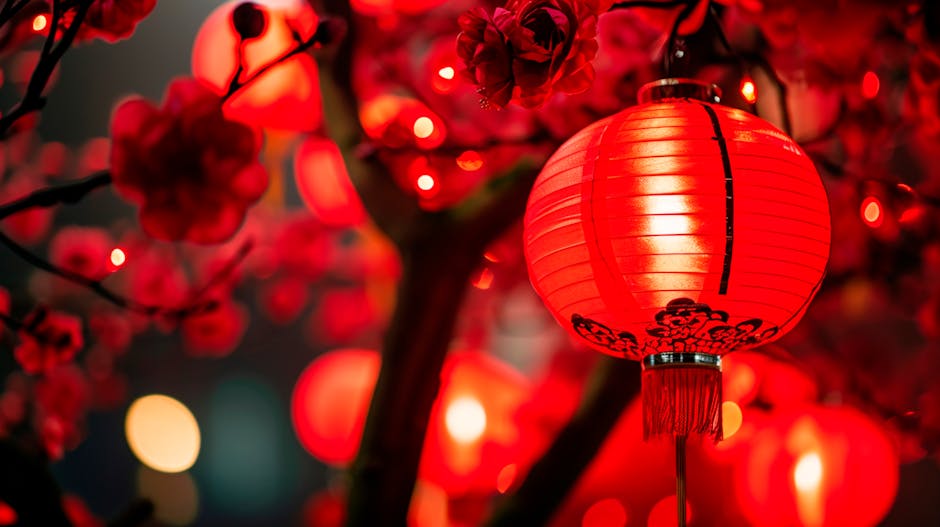
A Change of Heart: Why I Go Every Year
In 2016, my first full Chinese New Year here, I swore I would never return to Yu Garden. I spent forty minutes trapped in a human crush near the Golden Plaza, feet barely touching the ground, clutching a bag of lukewarm dumplings that cost me £6. It was inefficient. It was irrational. It ruined my evening spreadsheet. Yet, here I am, planning our 2026 trip. Last year changed my mind. I put my daughter, Mia, on my shoulders near the entrance. She’s a toddler now, bilingual and chaotic, much like this city. When she saw the giant glowing fish lantern rotate, she screamed "Yú!" (Fish!) with such unbridled joy that the sweaty, shoving crowd ceased to matter. There is a distinct energy to Shanghai during this week that defies my analytical brain. Yes, Chengdu has more serene gardens, and yes, the ticket price is technically a poor ROI compared to a quiet dinner elsewhere. But the communal effervescence—the sheer scale of millions of people deciding to look at pretty lights together—is infectious. I admit, I was wrong in my earlier years to advise people to skip it. You just have to manage it. I’ll still be bringing my own water (boiled, filtered, bottled), and I’ll still be calculating the exact GBP cost of every glow stick Mia demands. But we’ll be there.Tip: If you want to dive deeper into the tea culture visible at the Huxinting Teahouse (even if you can't get a seat), read my guide on Sip Tea in a Traditional Chinese Garden.
Comments
Comments are currently closed. Have feedback or a question? Reach out through the contact info on the About page.