The 'Instant Tea' Myth vs. The Slow Reality
If there is one thing we Brits pride ourselves on, it’s our ability to knock back a cup of tea in under four minutes while standing in a kitchen discussing the weather. We treat tea as fuel. It's a quick fix, a "builder's brew" designed to resuscitate us between meetings. When I first arrived in China back in 2015, I brought this mentality with me. I assumed a Chinese teahouse was just a pub without the ale—a place to grab a quick drink and leave. I was wrong. Embarrassingly wrong.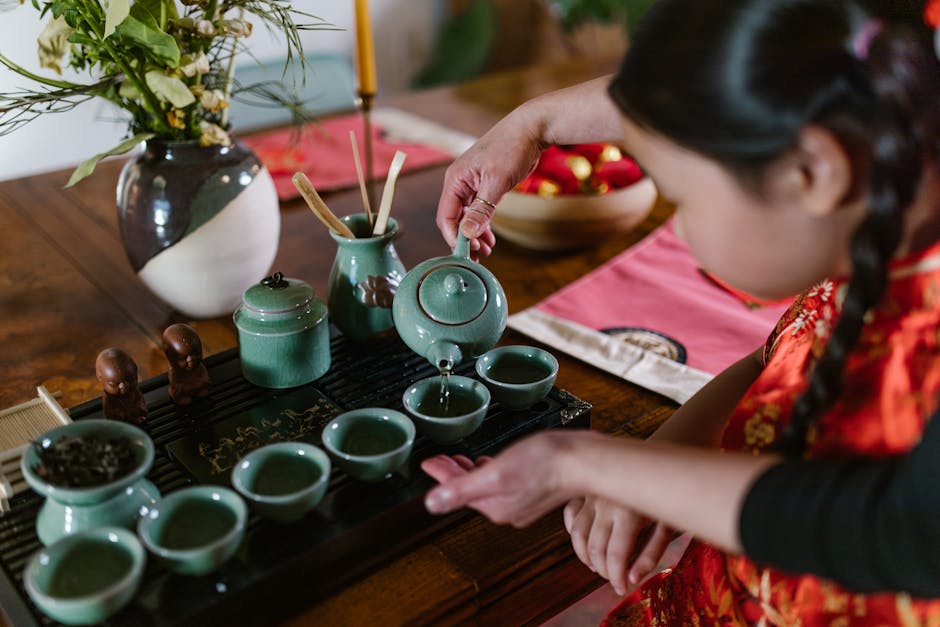
Oliver's Tip: If you have less than 90 minutes, do not go to a traditional teahouse. Go to a bubble tea shop or a convenience store. Traditional tea is a slow art, and attempting to speed-run it is the surest way to look like a clueless tourist.
Essential Etiquette: Don't Be That Guy
Over the last nine years, I've watched countless visitors fumble through the intricate dance of teahouse etiquette. It’s painful. While nobody expects a foreigner to master the full Gongfu ceremony, adhering to a few basic rules shows respect (and stops the staff from judging you). Here is the Sterling Protocol for not embarrassing yourself: The Finger Tap: If someone pours tea for you, do not say "thank you" verbally every single time—it interrupts the flow of conversation. Instead, tap your first two fingers (or just your index finger if you’re single) lightly on the table. It mimics a kowtow. It’s subtle, classy, and makes you look like an insider. The First Brew is for Washing: This is crucial for my fellow germaphobes. The first splash of water over the leaves isn't for drinking; it's to "wake up" the leaves and rinse off dust. Usually, this water is also used to rinse your cup. Even though I know the water is boiled, watching them rinse the cup with scalding tea right in front of me is the only way I can mentally prepare to drink from it. The Lid Flip: When your pot is empty, do not wave a waiter down. Simply take the lid off your teapot and rest it on the rim (or place it on the table if it's a specific style). This is the universal silent signal for "more hot water, please." Milk and Sugar: Asking for these is a capital offense. Just don't.I remember taking my parents to a high-end spot near the Bund when they visited in 2018. My dad asked for milk. The waitress looked at him, looked at me, and then brought him a glass of hot water. I didn't have the heart to correct her.
Why Is Hot Water So Expensive?
This is the question that hurts my Manchester soul every time I look at a menu. Why am I paying 280 RMB (£30.85) for some dried leaves and a kettle of water? I have a spreadsheet tracking my leisure expenses since 2016, and teahouse inflation is real. But as a financial analyst, I have to look at the OpEx (Operating Expenses). You aren't buying the beverage. In Shanghai, particularly in the Former French Concession or near Yu Garden, you are renting prime commercial real estate. Most high-end teahouses have a "minimum spend" (zuidi xiaofei) or charge a "tea fee" (chahui) per head. Effectively, you are leasing that table for the afternoon. When you break it down, £30 for a four-hour meeting in a quiet, private room with a view of a rock garden is actually cheaper than renting a WeWork conference room.
For a deeper look at the cost of living here, check out my breakdown in Living Near the Shanghai Tower: Costs, Culture, and Learning "Shanghai" in Chinese. It helps contextualize why paying £8 for a coffee or £30 for tea is the norm in this city.
The Economics of Leisure: A Sector Analysis
Stepping away from my personal wallet for a moment, let's look at the macro picture. The pricing in Shanghai's leisure sector isn't arbitrary; it's a reflection of post-2023 economic shifts. According to the National Bureau of Statistics - Statistical Communiqué, the service sector has seen a robust recovery following the reopening of borders and the normalization of domestic travel. Domestic tourism revenue has surged, driving up demand for "cultural experiences." In 2015, tea drinking was largely a functional habit for older generations or a casual social activity. By late 2024, it has been aggressively premiumized. We are seeing the "Guochao" (national trend) movement, where younger Chinese consumers are embracing traditional culture with a modern, luxury twist. This increased demand for heritage sites and authentic experiences allows venues to hike prices. The "tea fee" is no longer just for the tea; it's a surcharge for participating in a cultural revival. We are also seeing a divergence in the market. While mass-market milk tea shops are engaging in brutal price wars, traditional teahouses are moving upmarket to escape the competition, positioning themselves as luxury service providers rather than catering establishments.Budgeting Your Afternoon: What It Actually Costs
Let's get down to the brass tacks (and GBP). Whenever I plan a weekend outing with Yan and Mia, I have to justify the cost to myself. According to Numbeo - Cost of Living in Shanghai, a cappuccino in the city averages around 30 RMB (£3.30). A decent meal at an inexpensive restaurant is roughly 40 RMB (£4.40). In contrast, a standard pot of Longjing (Dragon Well) green tea at a mid-range chinese garden teahouse will set you back anywhere from 120 RMB (£13.20) to 380 RMB (£41.80) per person. My initial reaction in 2015: Absolute robbery. My reaction in 2024: Acceptable entertainment cost. Here is how I rationalize it in my spreadsheets: Cinema Ticket: ~80 RMB (£8.80) for 2 hours. Cost per hour: £4.40. Cocktail at a Bund Bar: ~100 RMB (£11.00) for 45 mins. Cost per hour: £14.66. Teahouse Visit: ~180 RMB (£19.80) for 4 hours of reading, chatting, and unlimited hot water refills. Cost per hour: £4.95. When viewed as an hourly rental of peace and quiet in a city of 25 million people, it’s actually good value. Just don't think about the fact that the tea leaves themselves cost pennies wholesale. That way lies madness.The Hidden Gems: Whispers from the Community
I can't visit every single tea spot in this massive city—Mia keeps me too busy on weekends—so I often rely on the expat grapevine and local forums. One recurring topic on the forums recently is the gentrification of the Old City (Laoximen) area. The authentic, crumbling charm is being replaced by polished, commercialized "heritage" zones. While beautiful, they often lack soul. The "Tea Scam" Warning: I'd be remiss if I didn't mention this. It’s an old trick, but it persists near People's Square and East Nanjing Road. Friendly "students" approach you, asking to practice English, and invite you to a traditional tea ceremony. You end up with a bill for 2,000 RMB (£220). Safe practice: Never follow a stranger to a location they suggest. If you want tea, you pick the place. For official safety advice on common scams, check GOV.UK - Foreign Travel Advice (China). Community Pick: Colleagues have been raving about Zuibaichi Park in Songjiang District. It's a trek from the city center (Line 9 metro), but reports suggest it offers a much more authentic, quiet experience compared to the crush of Yu Garden. The tea house there is reportedly basic, unpretentious, and costs a fraction of the downtown prices. I haven't verified it personally yet, but the photos of the lotus ponds look promising.A Rainy Tuesday at Huxinting
There is a specific memory that encapsulates why I stay in Shanghai. It was a Tuesday last November. It was pouring rain—a relentless, grey drizzle that reminded me of Manchester. Most tourists had fled for cover in the malls. Yan, Mia, and I ducked into the Huxinting Teahouse (Mid-Lake Pavilion) in Yuyuan Garden. Usually, this place is a tourist trap, packed shoulder-to-shoulder. But because of the rain and the midweek timing, it was nearly empty.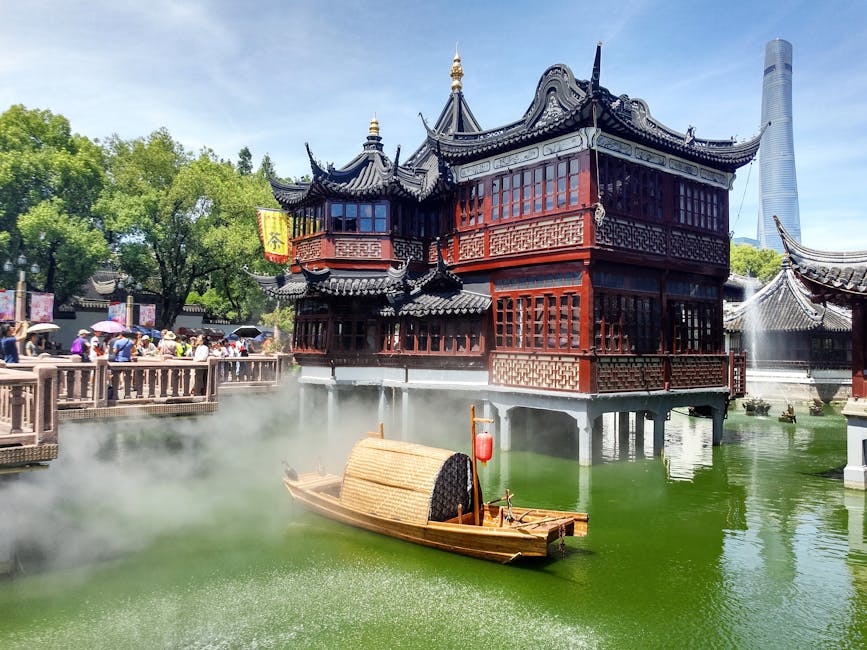
Oliver's Tip: For more on navigating Shanghai's climate, see my guide on Beating the China Shanghai Temperature: A Summer Guide to the Best Chinese Gardens. While that article focuses on summer, the principle of avoiding peak times applies year-round.
Teahouse Types: A Quick Comparison
Not all teahouses are created equal. Here is my breakdown of the three main categories you will encounter, rated by my very specific criteria.| Type | Example | Price (Per Person) | Oliver's Hygiene Rating | Vibe |
|---|---|---|---|---|
| The Tourist Historic | Huxinting (Yu Garden) | £20 - £40 | 4/5 (High turnover means clean cups) | Iconic, crowded, nostalgic. |
| The Modern Zen | Hidden spots in Xuhui | £35 - £60+ | 5/5 (Spotless minimalism) | Quiet, serious, pretentious but relaxing. |
| The Park 'Canteen' | Fuxing Park Teahouse | £2 - £5 | 2/5 (Plastic cups, sticky tables) | Loud, local, authentic (mahjong noises included). |
Source: Personal aggregation of prices. Last verified: 2024-12-01
The 'Fake Antique' Problem and How to Navigate It
I need to go on a slight tangent here about architecture. It drives me mad when guidebooks describe a building as "ancient" when it was clearly built in 2002 using reinforced concrete and painted to look like wood. Shanghai is full of these "fake antiques." It's a city that loves to reinvent its past. Does it matter? To the tea, no. To the atmosphere? Sometimes. If you want the real deal—actual history that hasn't been completely scrubbed and sanitized—you need to leave the city center.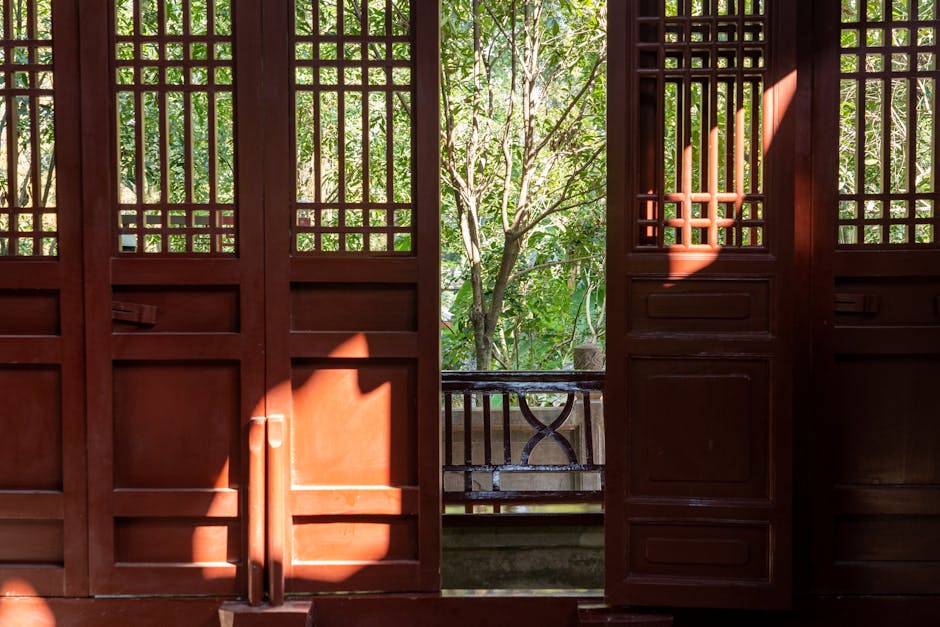
Comments
Comments are currently closed. Have feedback or a question? Reach out through the contact info on the About page.