The 2024 Math: 7 Hours vs. 8 Hours
If you work in FinTech like I do, or simply have a mother in Manchester who expects a Sunday Skype call regardless of global geography, the time difference between the UK and China is the single most defining metric of your existence. It isn't just a number; it is a lifestyle constraint that dictates when you sleep, when you work, and when you can reasonably expect a reply from home. China operates on China Standard Time (CST), which is consistently UTC+8. The entire country—from the bund here in Shanghai to the far western borders—runs on this single clock. There are no regional time zones to memorize. The complication comes entirely from the UK side. Britain oscillates between Greenwich Mean Time (UTC+0) and British Summer Time (UTC+1), while China abolished Daylight Saving Time back in 1991.
The 2024 Calculation:
- Winter (Jan 1 to March 31): Shanghai is 8 hours ahead of the UK.
- Summer (March 31 to October 27): Shanghai is 7 hours ahead of the UK.
- Winter (October 27 onwards): Shanghai reverts to being 8 hours ahead.
The Daylight Saving Trap
The dates above are non-negotiable. In 2024, the clocks in the UK go forward on March 31 and back on October 27. I mark these dates in red on my spreadsheet. In 2015, my first year in Chengdu, I missed a critical quarterly review with my Manchester HQ because I hadn't realized the UK clocks had gone back the previous Sunday. I dialled in at 5 PM China time, expecting it to be 9 AM in the UK, only to find an empty conference room because it was actually 8 AM there.The 'Golden Window' for Meetings
Coordinating business across this corridor leaves a painfully narrow window of opportunity. Winter (8-hour gap): The UK starts work at 9 AM; it is already 5 PM in Shanghai. You have exactly one hour (9-10 AM UK / 5-6 PM China) before the Shanghai team leaves for dinner. Summer (7-hour gap): The UK starts at 9 AM; it is 4 PM in Shanghai. You get a luxurious two-hour window (9-11 AM UK / 4-6 PM China).
The Holiday Calendar Clash: When Not to Email
Navigating time zones is simple arithmetic. Navigating cultural calendars is advanced calculus. The UK has its Bank Holidays, which are straightforward Mondays off. China uses a system involving "Golden Weeks" and "Makeup Workdays" (调休 - tiáoxiū). My wife, Liu Yan, still has to explain the logic to me every year. Essentially, to create a longer consecutive holiday (like 7 days for Lunar New Year), the government designates adjacent Saturdays or Sundays as working days. It confuses everyone, including the locals. Here is the data for 2024. If you send an urgent email to a Shanghai supplier during these blocks, do not expect a reply.| Holiday Name | 2024 Dates (Off Work) | Makeup Workdays (Working Weekends) | Impact Level |
|---|---|---|---|
| New Year's Day | Jan 1 | None | Low |
| Spring Festival (CNY) | Feb 10 - Feb 17 | Feb 4 (Sun), Feb 18 (Sun) | Critical (Total shutdown) |
| Qingming Festival | Apr 4 - Apr 6 | Apr 7 (Sun) | Medium |
| Labor Day | May 1 - May 5 | Apr 28 (Sun), May 11 (Sat) | High |
| Dragon Boat Festival | Jun 10 | None | Low |
| Mid-Autumn Festival | Sep 15 - Sep 17 | Sep 14 (Sat) | Medium |
| National Day (Golden Week) | Oct 1 - Oct 7 | Sep 29 (Sun), Oct 12 (Sat) | Critical |
Source: The State Council of the PRC. Last verified: 2024-02-05
Tip: If you are planning travel during these times, be aware that ticket prices skyrocket. I usually stay put in Shanghai during Golden Weeks; the city empties out and it's actually quite pleasant.
Shanghai in Chinese: More Than Just Characters
Recently, my toddler Mia corrected my pronunciation of "Shanghai." Apparently, my tones were drifting towards the Manchester flat vowel again. She pointed out, with the ruthless precision of a three-year-old, that it's Shàng (falling tone) Hǎi (falling-rising tone).The Breakdown
Characters: 上海 (Shànghǎi) Literal Meaning: "Above the Sea" or "Upon the Sea." The Component Parts: 上 (Shàng): Up, on, above, to go to (e.g., shàng bān - go to work). 海 (Hǎi): Sea, ocean. Historically, this makes sense for a port city. When you are addressing parcels home or filling out forms for a bank account, knowing how to write at least the city name is essential. While Shanghai is a Mandarin-speaking hub, the local dialect (Shanghainese/Huoyu) is unintelligible to Mandarin speakers. After nine years, I can conduct a board meeting in Mandarin, but if an elderly neighbour speaks Shanghainese to me, I just nod and smile.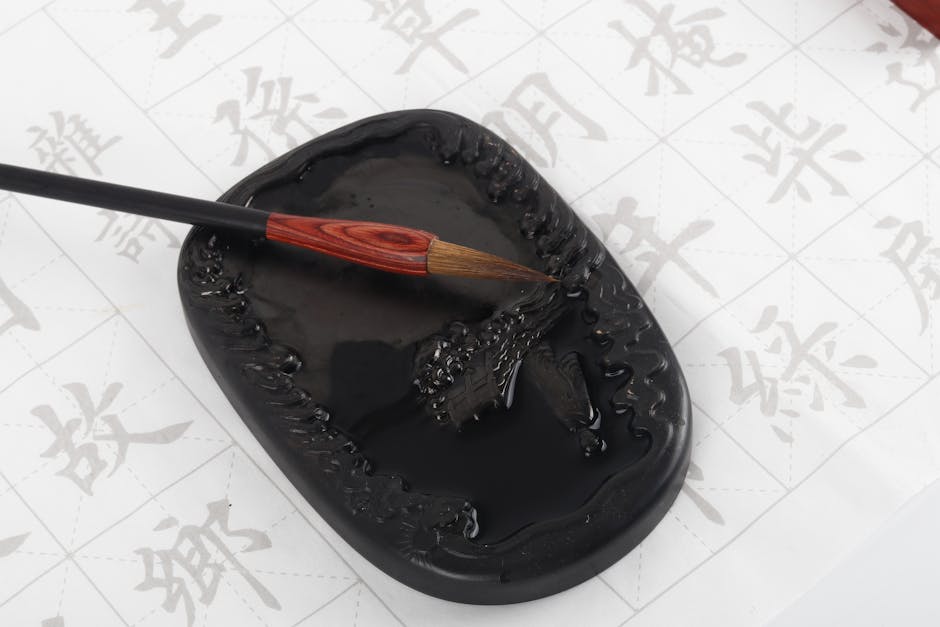
The Cost of Time: Is Shanghai 'Expensive'?
Time is money, and in Shanghai, you are often paying for speed. When friends from the UK ask if Shanghai is expensive, I have to open my spreadsheet. The answer is nuanced. You pay London prices for "Western" time-savers (coffee, imported cheese), but pennies for services that save you physical time (delivery, transport). Here is a cost comparison I ran this morning, converting RMB to GBP at today's rate (approx. 9.05 RMB = £1).| Item / Service | Shanghai Cost (GBP) | London Cost (GBP) | Difference |
|---|---|---|---|
| Cappuccino (Regular) | £3.15 | £3.65 | Shanghai is ~14% cheaper |
| Monthly Travel Pass (Public Transport) | £22.00 | £160.00+ | Shanghai is ~86% cheaper |
| Rent (1-bed apt, City Centre) | £1,100 | £2,200 | Shanghai is ~50% cheaper |
| International School (Yearly, Primary) | £28,000 | £20,000 | Shanghai is ~40% more expensive |
Source: Numbeo. Last verified: 2024-02-05
Buying Back Your Time
The data shows the trade-off. Housing and transport are cheaper, but if you want the lifestyle of a British expat (international schooling for Mia, imported goods), the premium is high. However, the efficiency of Shanghai "buys back" your time. The subway never strikes. Food delivery takes 30 minutes. I save about 5 hours a week here compared to my commuting life in Manchester or London, purely due to infrastructure efficiency.
The 2024 Arrival Timeline for Brits
If you are reading this because you are planning a move in 2024, the timeline of adaptation hasn't changed much since I arrived, though the apps certainly have. 1. Month 1: The Jet Lag Phase. You will wake up at 4 AM Shanghai time (8 PM UK time) starving. You will try to use your credit card; it won't work. You need to set up WeChat Pay or Alipay immediately. Check GOV.UK for the latest entry requirements, as they have tightened up on biometric data collection upon entry. 2. Month 3: The DST Confusion. Just as you settle in, the UK clocks will change (March 31st this year). You will call your parents an hour too early. 3. Month 6: The Golden Week Shock. You will try to book a train to Hangzhou during the October holiday. You will fail. You will learn to stay home. 4. Year 1: You stop doing the mental arithmetic. You just know that 3 PM is "too late to call Dad" and 5 PM is "start of the UK work day.""In 2015, I spent my first week in China carrying a wad of cash and a map. In 2024, if my phone dies, I am stranded. I cannot pay, I cannot navigate, I cannot translate. Ensure your power bank is charged."
Quick Reference: The UK-China Matrix
For those who just want the stats without my commentary, here is the cheat sheet.| Feature | UK (London/Manchester) | China (Shanghai) |
|---|---|---|
| Time Zone | UTC+0 / UTC+1 | UTC+8 (Permanent) |
| DST? | Yes (Mar & Oct) | No |
| Work Weekend | Strictly Sat/Sun | Usually Sat/Sun (Subject to Tiao Xiu) |
| Voltage | 230V (Type G) | 220V (Type A, C, I) |
| Tipping | Expected (10-12.5%) | Rare / Not Expected |
Comments
Comments are currently closed. Have feedback or a question? Reach out through the contact info on the About page.