Is Shanghai Still the Bargain it Was in 2015?
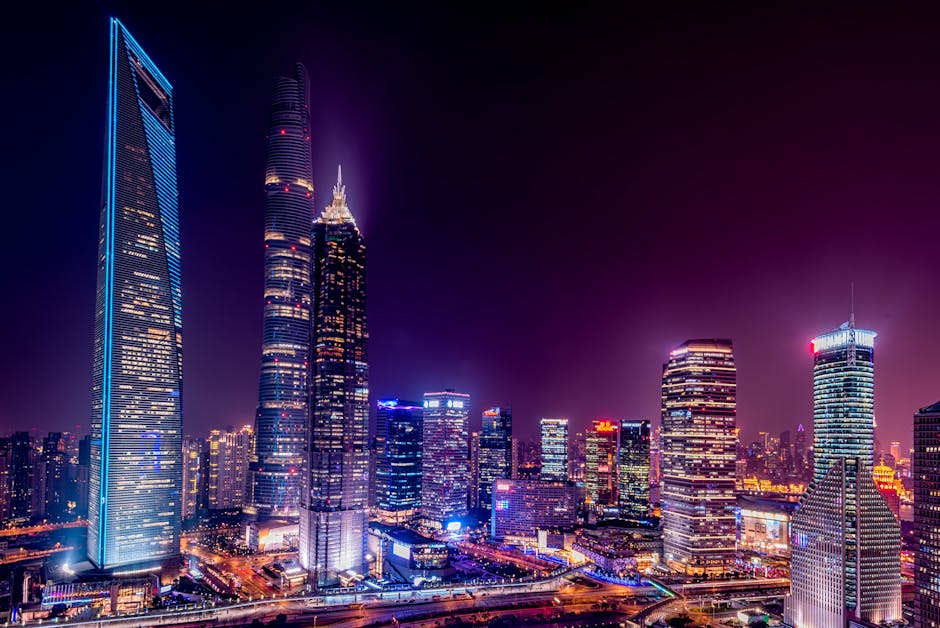
Key Takeaway: The raw CPI data suggests Shanghai is stable, but lifestyle inflation for foreigners has skyrocketed. The "bargain" only exists if you are willing to significantly localize your consumption habits.
The Rent Trap: Why Your Address Defines Your Wallet
The single biggest shock for new arrivals in 2024 is the disparity between what locals pay and what landlords ask for "foreigner-friendly" apartments. We call it the laowai tax. Properties with floor heating, ovens (rare in standard Chinese apartments), and dryers command a massive premium. In 2015, I lived in a lane house in Jing'an. It was charming, drafty, and relatively affordable. Now, with a toddler and a wife who (rightfully) demands consistent water pressure, the housing calculation has changed. My spreadsheet tells the truth: moving from the Former French Concession to a newer compound in Putuo saved us about 25%, but we spend more on Didi (ride-hailing) now. It's a trade-off.
Rental Market Comparison (Monthly)
| Category | London (Avg) | Shanghai (Expat Standard) | Shanghai (Local Standard) | Difference (London vs. Expat SH) |
|---|---|---|---|---|
| 1-Bed City Centre | £2,250 | £1,400 (12,800 RMB) | £850 (7,800 RMB) | -37% |
| 3-Bed Outside Centre | £2,600 | £1,900 (17,400 RMB) | £1,100 (10,000 RMB) | -27% |
| Utilities (85m2) | £280 | £55 (500 RMB) | £45 (410 RMB) | -80% |
Tip: If you are looking at property listings online, copy the compound name and search for Shanghai in Chinese characters (use Baidu Maps to find the name). Listings aimed at locals are often 15-20% cheaper than the English listings for the exact same layout. Having a local friend negotiate can save you even more.
From Bachelor Pad to Family Flat: My Spending Timeline
My finances in China have followed a distinct "step" pattern rather than a smooth curve. 2015-2017 (The Honeymoon Phase): Living in Chengdu and Beijing before settling here. Costs were negligible. I ate street food, traveled on slow trains, and saved 60% of my salary. 2018-2020 (The Bachelor Phase): I moved to Shanghai proper. The social scene took over. Brunches on the Bund, cocktails in Jing'an. Savings dropped to 30%, but life was fun. 2021-Present (The Family Phase): Married to Yan, baby Mia arrived. The costs didn't just creep up; they exploded. Imported formula, air purifiers for every room, and private healthcare memberships. The "step up" in cost when you have a child here is far steeper than in the UK because the state safety net—while excellent for locals—is complicated for foreigners to access fully.The Education Elephant in the Room
This is the section where most spreadsheets break. If you are single, Shanghai is a goldmine. If you have children and want them in the international school system, it is a wealth extraction machine.
Annual Tuition Fees Comparison (2024/2025 Academic Year)
| School Type | Shanghai (Avg) | London (Avg Private) | London (State) |
|---|---|---|---|
| Early Years (3-5) | £18,000 - £24,000 | £12,000 - £18,000 | £0 (Free hours) |
| Primary (Year 1-6) | £26,000 - £32,000 | £18,000 - £24,000 | £0 |
| Secondary (Year 7-13) | £30,000 - £38,000 | £20,000 - £28,000 | £0 |
What the Community Says: The Medical & Insurance Maze
The GOV.UK Living in China Guide is remarkably clear on one thing: comprehensive medical insurance is essential. While local public hospitals are incredibly cheap (registration can be under £2), the experience is chaotic, Chinese-only, and lacks privacy. I’ve been lucky. Aside from a few bouts of "Shanghai stomach" (I refuse to drink tap water even after boiling it twice—I buy the big 5L jugs), I haven't needed major care. But in the FinTech circles I move in, healthcare is a hot topic. For a "London standard" of care—private room, English-speaking doctor, imported drugs—you are looking at clinics like Shanghai United or Jiahui. A consultation there isn't £2; it's £100+. The hidden cost is insurance premiums. As you age, international health insurance premiums in China rise sharply, often faster than in the UK where the NHS acts as a backstop.Salary vs. Tax: The Net Income Reality
Let’s strip away the emotion and look at the purchasing power. Why do we stay if schools are expensive? Because the income ceiling is often higher, and the tax wedge can be lower—if you structure it right. In the UK, if you earn £80,000, you lose a massive chunk to Income Tax and National Insurance. In China, the tax brackets are progressive, but there are still (as of 2024) certain non-taxable allowances for foreigners (housing, laundry, education) that can be deducted before tax, though these rules are perpetually under review by the State Taxation Administration (STA).Net Income Scenarios: Tech/Finance Professional
| Metric | London | Shanghai | Notes |
|---|---|---|---|
| Gross Salary | £80,000 | £80,000 (732,000 RMB) | Comparable senior roles |
| Est. Effective Tax Rate | ~28-32% (Inc. NI) | ~20-25% | Dependent on benefits structure |
| Deductible Benefits? | Minimal | Housing, Schooling (Policy dependent) | Huge differentiator |
| Disposable Monthly | ~£4,600 | ~£5,300 + | Shanghai wins on cash-in-hand |
What the numbers don't tell you: While the monthly net is higher in Shanghai, you have no pension building up (unless you pay into UK NI voluntarily) and no long-term security. The "Shanghai Premium" is essentially risk pay.
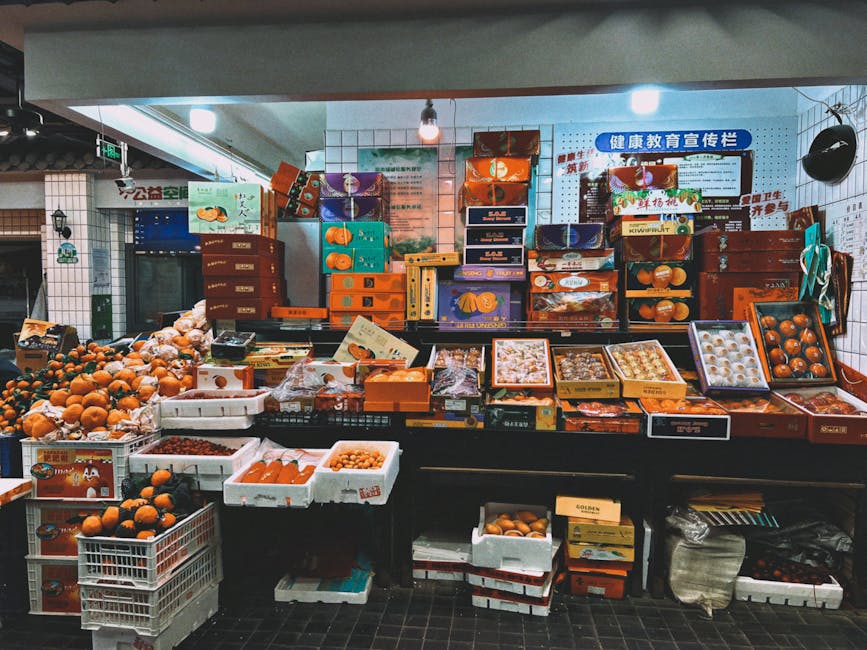
The 2024 Basket: Side-by-Side Comparison
Comments
Comments are currently closed. Have feedback or a question? Reach out through the contact info on the About page.