The Manchester Freeze vs. The Heilongjiang Deep Freeze
I still remember waiting for the number 42 bus on Oxford Road in Manchester back in 2012. It was a grey, drizzly February morning, hovering around 2°C, and I was convinced that human suffering had peaked. I was wrong.
Having lived in China for 11 years now, I’ve learned that my definition of "cold" required a recalibration that my British sensibilities weren't prepared for. When I first tried to explain the concept of "damp cold" (the kind that gets into your bones in the UK) versus "dry cold" to my wife, Liu Yan, over a spicy hotpot in Chengdu years ago, she just laughed. "Wait until you go North," she said. She wasn't joking.
Harbin is not a weather event; it is a biological shock. It is a city where the moisture in your nose freezes the instant you step outside the airport terminal. We are talking about temperatures that routinely hit -30°C (-22°F) in January. According to historical data from the China Meteorological Administration - Harbin Weather, the average low in January hovers around -24°C, but with wind chill, it feels significantly more hostile.
The mistake many of us Brits make is assuming our trusty Marks & Spencer wool jumper and a decent trench coat will suffice. They won't. In Manchester, you dress to stay comfortable; in Heilongjiang, you dress to stay alive. The psychological impact of seeing your iPhone battery die in 45 seconds because the lithium ions have simply given up the will to move is something no spreadsheet can prepare you for—though, God knows, I tried to model it.
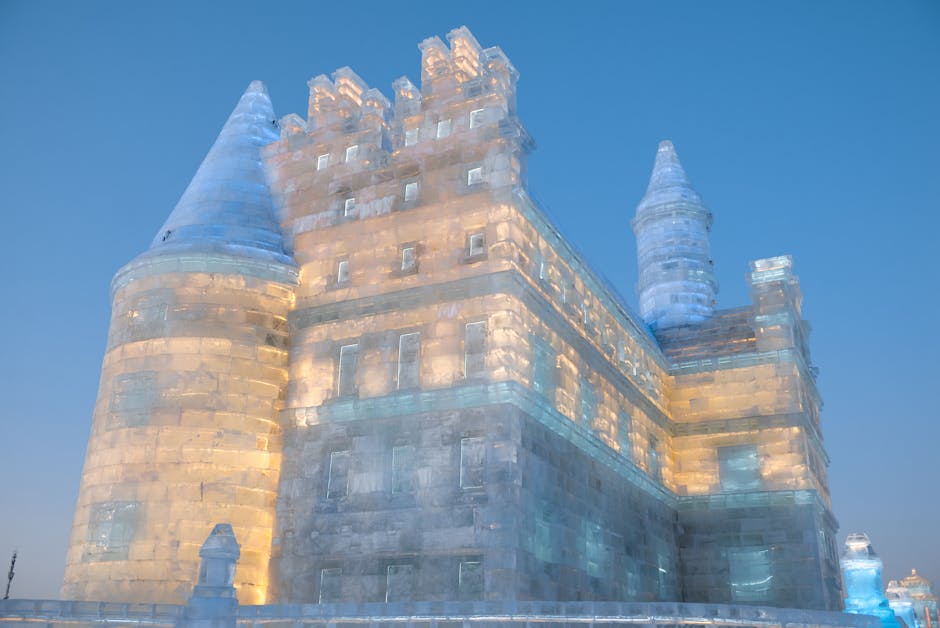
The 'Ice & Snow World' Budget Breakdown (2026 Projections)
Let's get down to the brass tacks. As a financial analyst, I find the pricing volatility of the Harbin Ice and Snow World fascinating, if somewhat painful for my wallet. Inflation has hit the tourism sector hard post-2023, and the 2026 season is no exception.
If you are planning a trip this month, you need to understand that prices in Harbin during the festival operate on a surge pricing model similar to Uber during a rainstorm—except the rainstorm lasts two months and is made of ice. Below is my projected budget matrix for a 3-day trip, converted to GBP at the current exchange rate (approx. 9.2 CNY to 1 GBP).
| Category | Budget Backpacker (GBP) | Standard Expat Family (Per Person) (GBP) | Luxury Comfort (GBP) |
|---|---|---|---|
| Park Entry (Main Venue) | £35 (Standard Ticket) | £35 (Standard Ticket) | £110 (VIP Fast Pass) |
| Accommodation (3 Nights) | £90 (Hostel/Budget Hotel) | £280 (Mid-range near Central St) | £850 (Shangri-La or equivalent) |
| Warm Gear Rental | £0 (Brought own) | £45 (Knee pads, heavy coat) | £150 (Premium goose down purchase) |
| Transport (in city) | £15 (Public Bus/Metro) | £50 (DiDi/Taxi) | £200 (Private Driver) |
| 'Emergency Warmth' (Coffee/Snacks) | £20 | £60 | £120 |
| TOTAL ESTIMATE | £160 | £470 | £1,430 |
A Timeline of Logistics: From Booking to Freezing
Proper execution of a Harbin trip is a logistical ballet. If you are reading this and haven't booked your tickets yet, you are already behind, but recovery is possible.
Three Months Out (October): The Booking Window
The golden rule of Harbin is that the "good" hotels—those with working heating and windows that don't draft—vanish by mid-October. I usually set a calendar reminder for October 1st. By using the China Railway (12306) Official Site, you can monitor train ticket releases. The high-speed train from Beijing Chaoyang to Harbin West takes about 5 hours. It’s efficient, but tickets for the morning of the festival opening sell out in seconds. Literally seconds. I have a script that monitors this (don't ask), but for normal humans, be on the app at 5:00 AM on the release day.
One Month Out (December): The Gear Audit
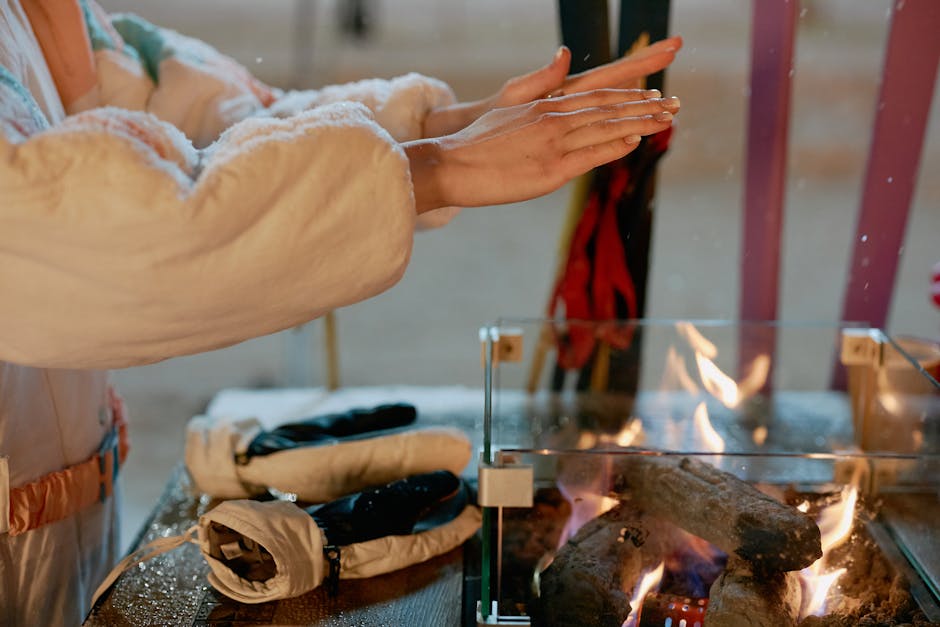
Do not buy your gear at the park entrance. You will pay a 300% markup for gloves that will disintegrate before you reach the main ice slide. I buy everything on Taobao in December. You need: thermal underwear (uniqlo heattech ultra warm or equivalent), wool socks, waterproof boots with grip (ice is slippery, obviously), and most importantly, stick-on heat packs (暖宝宝 - nuǎn bǎo bǎo). Buy a box of 50. Stick them on your back, your stomach, and the soles of your feet.
The Day Of: Timing Your Entry
The amateur move is to arrive at the Ice and Snow World at 10 AM. It's huge, white, and blindingly bright. You'll be exhausted and frozen by 2 PM. The pro move is to enter at 3:00 PM. You get one hour of daylight to see the scale of the sculptures, and then you witness the transition as the sun sets at 4 PM (yes, it gets dark that early) and the neon lights turn on. That moment when the ice city ignites into a psychedelic rave of color is worth the frostbite.
The 'Hidden' Costs: Tales from the Community
I'm not an expert on everything, and sometimes my spreadsheet misses the human element of chaos. So, I asked around the "British in Shanghai" WeChat groups to see what caught people out this year.
Dave from my old rugby club told me a story that made my blood boil. He took a taxi from the airport and didn't insist on the meter. The driver quoted him "200 RMB" for a trip that should cost about 130 RMB. But when they arrived, the driver claimed he meant 200 RMB per person. It's a classic scam. GOV.UK - Foreign Travel Advice (China) warns about taxi disputes, but in the freezing cold, you are vulnerable. Always use DiDi (the app) where the price is fixed, or queue for the official taxi rank and ignore the touts in the arrival hall.
Another common pitfall is the "equipment deposit" trap at smaller snow parks. A family I know rented sledges at a side-of-the-road attraction near the Sun Island viewing area. They put down a 500 RMB deposit. When they returned the sledges 30 minutes later, the vendor claimed there was a "scratch" on the bottom—of a plastic sledge used on ice—and kept 200 RMB. It happens. Stick to the official, ticketed venues where consumer protections are actually enforced.
Regarding food costs, Numbeo - Cost of Living in Harbin suggests restaurant prices are generally 40% lower than Shanghai, but this evaporates inside the festival zones. Expect to pay London prices for a cup of instant coffee inside the Ice World.
Economic Analysis: Is the VIP Pass Worth the Premium?
This brings me to the most contentious purchase: The VIP Fast Pass. At roughly £110 (depending on the package), it is steep. However, we must apply a time-value of money calculation here, adjusted for "misery index."
The main attraction, the massive 500-meter ice slide, often has a queue time of 4 hours. Standing still in -25°C is not just boring; it is physically draining. Your body burns immense calories just to maintain core temperature. If you value your time at even minimum wage, spending 4 hours in line is a financial loss. But more importantly, if you freeze after 2 hours and have to leave the park to warm up, you have wasted your entire entry ticket (£35).
According to regional tourism data from the NBS, visitor numbers have surged 15% year-on-year since 2024. The crowds are denser. The VIP pass usually allows you to skip the slide queue (or reduces it to 30 mins) and provides access to a heated lounge with free ginger tea. If you are only there for one night, the ROI on the VIP pass—measured in "sanity retained"—is positive. I bought it this year. I have no regrets.
Beyond the Ice: Dinner at The Modern Hotel
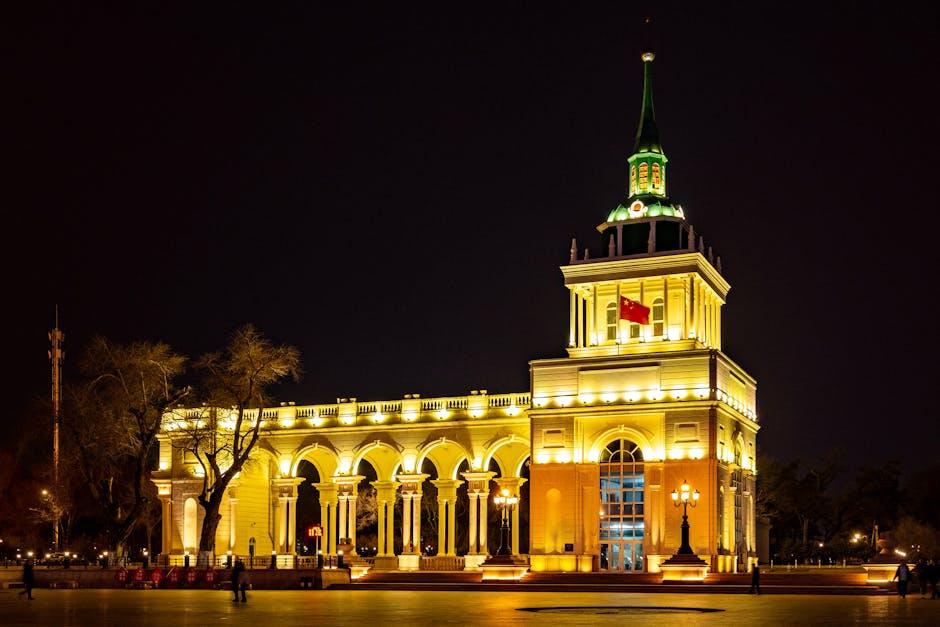
I simply cannot talk about Harbin without getting a bit emotional about the food. There is a specific, visceral joy in standing on Central Street (Zhongyang Pedestrian Street), surrounded by Russian Baroque architecture, eating a 'Madier' (Modern) popsicle. It makes no sense. It is -20°C. You are eating ice cream. But the creaminess, the history (the Modern Hotel dates back to 1906), and the sheer defiance of it... it’s beautiful. I must have looked like a madman, grinning with a vanilla ice lolly in a blizzard, but for a moment, I felt a deep, strange connection to this harsh, beautiful land.
After the popsicle, you need calories. Real ones. Northeastern cuisine (Dongbei Cai) is my guilty pleasure. It is unrefined, heavy, salty, and glorious. We went to a place called Lao Chu Jia for their Guo Bao Rou (sweet and sour pork). Unlike the Cantonese version, this is fried twice, incredibly crispy, and coated in a sauce that is more vinegar-forward. You need the fat and the carbs.
The Russian influence isn't just in the architecture; it's in the bread (Dalieba) and the sausages. It's a fascinating culinary hybrid that you don't find down south. While the cost of living in Harbin is generally lower, these heritage restaurants know their value. A dinner for three of us, with beer and too many dumplings, came to about £40—an absolute steal compared to Shanghai.
Is It Safe for Mia? (And Other Toddler Questions)
This is the question I get asked most by friends in our compound: "Can you really bring a three-year-old to a freezer?"
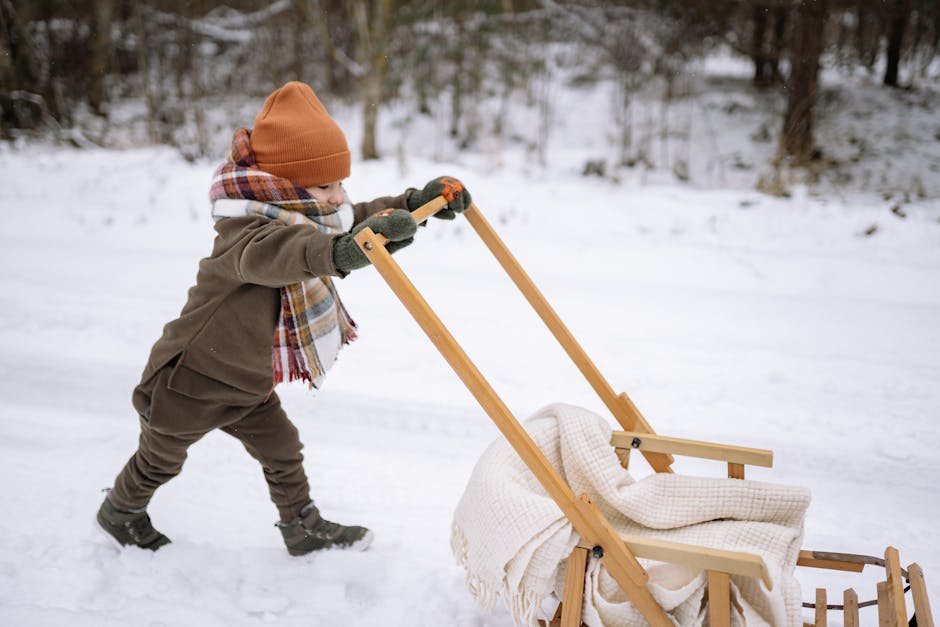
We took Mia this year. She is almost three. I will be honest—it was stressful. We spent more time managing her temperature than looking at the ice sculptures. Toddlers cannot regulate their body temperature as well as adults, and they often can't articulate that their toes are numb until it hurts. The GOV.UK advice correctly notes that medical facilities in remote areas can be limited, though Harbin is a major city. However, navigating a hospital in a foreign language (even with my wife's help) during a flu season surge is not on my holiday wishlist.
We limited our exposure to 45-minute bursts, retreating to KFC or a warm cafe in between. Was it worth it? For the photos, yes. For her memory? She probably won't remember it. If you have the option to leave the little ones with grandparents, I would genuinely recommend it. Harbin is a hostile environment, and enjoying it requires a level of physical resilience that is unfair to demand from a toddler. Next time, it's an adults-only trip for the Sterlings.
Comments
Comments are currently closed. Have feedback or a question? Reach out through the contact info on the About page.