The North Gate Trap (And How to Escape It)
If you take nothing else away from my decade of stumbling around the capital's imperial sites, let it be this: do not enter the Summer Palace through the North Palace Gate (Beigongmen). Just don't do it.
It is the primary failure point for 90% of tourists. Why? Because the subway station (Line 4) is right there. Crucially, it is the designated drop-off point for the armada of tour buses that descend upon Haidian District every morning. As the Beijing Municipal Government - Travelling in Beijing guide notes, the transport links here are comprehensive, which is precisely the problem. The efficiency of the transport network has turned this specific gate less into an imperial entryway and more into a cattle chute.
I distinctly remember a visit back in 2017. I made the rookie error of arriving at Beigongmen at 9:30 AM. I wasn't entering a garden; I was entering a mosh pit of matching red hats and megaphones. By the time I had fought my way through the ticket barriers, I had been poked in the ribs with selfie sticks three times and had my foot run over by a stroller. I did a quick calculation in my head later that evening: for every minute I spent admiring the architecture, I spent four minutes queueing or dodging elbows.
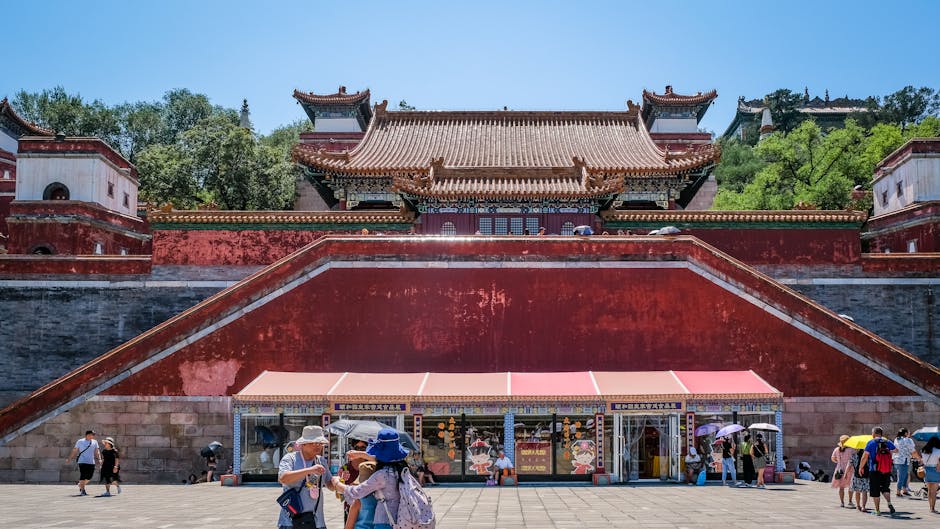
The West Gate Alternative
The solution is geographical arbitrage. The Summer Palace is enormous. While the North Gate is chaos, the West Gate (Ximen) is often deserted. It’s harder to reach—you’ll likely need a taxi rather than the subway—but the serenity is worth the extra £3.50 (approx. 32 RMB). You enter near the quieter western edge of Kunming Lake, where the willows actually have space to sway without hitting a tourist in the face.
Alternatively, the New Palace Gate (South) offers a grand, open approach that feels historically appropriate, rather than the service-entrance feel of the North Gate. Entering here allows the lake to reveal itself to you gradually, exactly as the emperors intended.
A Brief Detour: The Art of the Chinese Garden
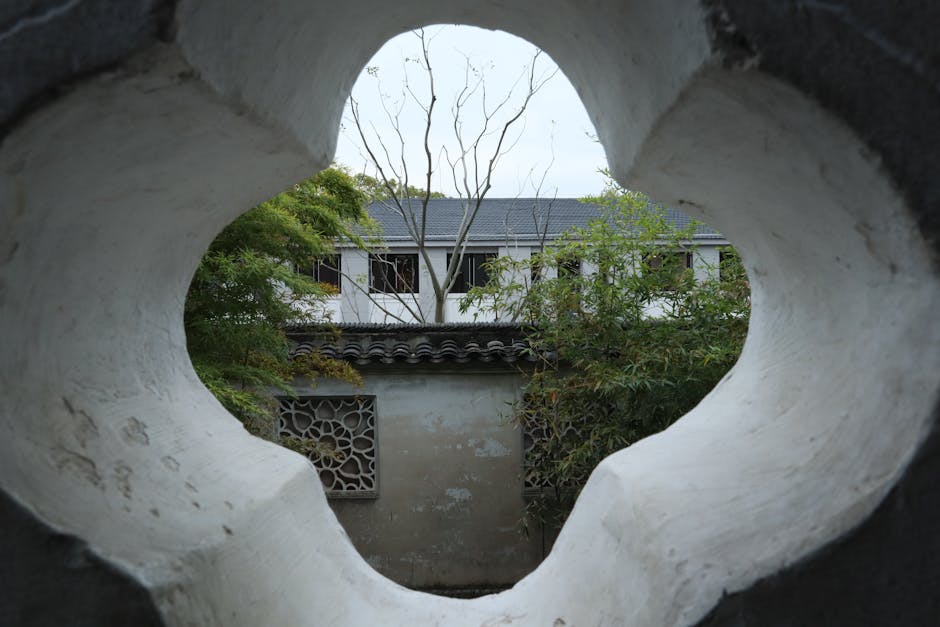
Before we march toward the Marble Boat, I need to digress. Years ago, when I was living in Chengdu, I spent a lot of afternoons in the teahouses of People's Park. It was there, amidst the clatter of mahjong tiles, that I first started to understand the concept of jiejing or "borrowed scenery".
My wife, Liu Yan, tried to explain it to me during one of our early dates. We were looking at a small rockery, and she pointed out how the window frame was positioned to capture a specific tree branch outside, turning nature into a painting. I, typically British, was mostly concerned about the humidity and whether the mosquito hovering near my ankle was carrying anything nasty. "You're looking at the garden," she told me, "but you aren't seeing the frame."
This is relevant because the Summer Palace is the ultimate Chinese garden. If you treat it like a theme park—rushing from point A to point B—you are missing the entire architectural philosophy. The Long Corridor isn't just a hallway; it's a cinematic tracking shot. Every few meters, the pillars frame a new view of Kunming Lake or Longevity Hill.
But here’s the rub: you cannot appreciate jiejing when you are being propelled forward by a tour group moving at speed. Silence is a structural component of these gardens. The architecture relies on negative space and quiet contemplation to work. When you fill that negative space with 50,000 people, the "frame" breaks.
The 'Hidden' Hills: Tales from the Expat Grapevine
Now, I haven't hiked every single trail in the park recently—my knees aren't what they were when I arrived in China ten years ago—but the community grapevine is a powerful thing. If you dive into the 'British in Beijing' WeChat groups or browse the expat forums, a consensus emerges about the "wild" side of the palace.
One particular tip that keeps surfacing involves the back side of Longevity Hill. From what I hear in the community, if you head north away from the lake instead of towards it, the paved paths give way to dirt tracks. A friend of mine, let's call him Dave (an old Beijing hand who claims to have been here since the 90s), swears there are ruins of old pavilions back there where you can sit for an hour and see absolutely no one. "It's like the park forgets itself," he told me.
The Back Lake Secrets
Online discussions also suggest that the area around the Back Lake (Houhu) is significantly under-trafficked. It's a canal-like section that feels more like Suzhou than Beijing. The shops here—recreating the famous Suzhou Market Street—are touristy, yes, but if you walk along the banks between the bridges, the crowds thin out. I'm no expert on the current state of the hiking trails there, but based on recent photos shared in photography groups, the Western Causeway (Xidi) remains the best spot for golden hour shots, especially if you want to capture the peach blossoms without twenty other lenses in your frame.
I still haven't figured out if the old "goat trail" shortcut behind the Four Great Regions temple is officially open or just something locals hop the fence for. If anyone knows, drop me an email.
Logistics: The Boring but Necessary Stuff
Let's drop the poetry for a moment. You need a survival strategy. The Summer Palace is massive, hot, and depleting. Here is your tactical loadout.
- Hydration is Non-Negotiable: I refuse to drink tap water here, even boiled. I’ve seen the pipes. Bring at least 2 liters of bottled water per person. You can buy water inside, but you will pay a "palace premium"—often 300% higher than street prices.
- The Passport Requirement: You cannot just rock up and buy a ticket with cash easily anymore. You technically can, but they will look at you like you’ve handed them a stone tablet. Book via the official WeChat mini-program (search "Summer Palace") in advance. You will need your passport number. If you can't read Beijing in Chinese characters, use the translation overlay on your phone, or get a hotel concierge to help.
- Security Theater: Expect bag checks. Don't bring anything that looks like a weapon, including that Swiss Army knife you use for peeling apples. It will be confiscated.
Safety Warning
According to GOV.UK Foreign Travel Advice - China, petty crime can occur in major tourist sites. The narrow choke points, like the bridges and the Long Corridor, are prime territory for pickpockets. Keep your backpack on your front.
Also, ignore the "private guides" lingering near the subway exits. They are not guides. They are walking scams who will take you to a tea shop, not the Hall of Benevolence and Longevity.
The Economics of a Day Out: Why Timing Matters
If you look at the raw data, visiting the Summer Palace during a Chinese national holiday is an act of masochism. According to the National Bureau of Statistics - Regional Data, domestic tourism numbers have rebounded aggressively, with peak periods seeing density levels that defy physics.

Looking at these graphs gives me palpitations. I now plan my visits strictly outside these statistical peaks. This isn't just about sanity; it's about value—the "Sterling Value Index," if you will.
| Item | Estimated Cost (RMB) | Approx. GBP (£1 = ~9.2 RMB) | Analyst's Verdict |
|---|---|---|---|
| Standard Entry Ticket | 30 RMB | £3.26 | Bargain of the century. |
| "Through Ticket" (All Attractions) | 60 RMB | £6.52 | Essential. Don't cheap out here. |
| Boat Ride across Lake | 40-60 RMB | £4.35 - £6.52 | Pricey for 10 mins, but saves your legs. |
| Lunch Inside Park (Fast Food) | 50+ RMB | £5.43+ | Criminal. Cold noodles and regret. |
| Taxi from Chaoyang (Off-Peak) | 60-80 RMB | £6.52 - £8.70 | According to Numbeo, taxi starts are cheap. Worth it for 2+ people. |
Data suggests that arriving at 3:00 PM is often better than 9:00 AM. The tour groups (the ones skewing the NBS statistics) usually break for lunch around 12:00 and start leaving by 3:00 to hit the dinner shows. You get the golden light and half the people.
My Evolution as a Palace Visitor: 2015 to Now
When I first landed in China in 2015, I was a checklist traveller. I had my Lonely Planet, a bottle of warm water, and a determination to see everything. I joined a budget tour group because I was terrified of navigating the transport alone. It was miserable. I spent four hours looking at the back of a flag, listening to a guide shout about the Empress Dowager through a distorted speaker. I hated the Summer Palace.
By 2018, things had changed. I was dating Liu Yan. We went on a crisp autumn Tuesday. We didn't try to see the temples on the hill. We just took a boat across the lake, sat on a bench near the 17-Arch Bridge, and watched the kites. I realized then that the "palace" part is secondary to the "summer" part—it's a retreat.
Now, in 2025, visiting with our toddler, Mia, is a different game entirely. We don't climb Longevity Hill. Are you joking? Carrying a three-year-old up those stairs? No. We stick to the flat paths near the West Gate. We look for ducks. We eat snacks. My appreciation for the site has deepened precisely because I stopped trying to conquer it. I stopped worrying about whether I'd seen the Tower of Buddhist Incense and started worrying about whether Mia was about to throw her shoe into the lake.
Environmental and Cultural Preservation Challenges
The sheer volume of foot traffic at the Summer Palace presents a significant challenge for heritage conservation. As a UNESCO World Heritage site, the balance between public access and structural integrity is delicate. The stone pathways, originally designed for the retinue of the Imperial court, are now subjected to millions of footsteps annually.
Recent reports indicate that moisture from breath and body heat in enclosed spaces, combined with vibration from heavy foot traffic, accelerates the degradation of the delicate wooden structures and painted beams. The park administration has implemented "carrying capacity" limits, capping daily visitors to mitigate this damage. This is why the reservation system is strictly enforced—it is not just bureaucratic friction; it is a necessary preservation strategy.
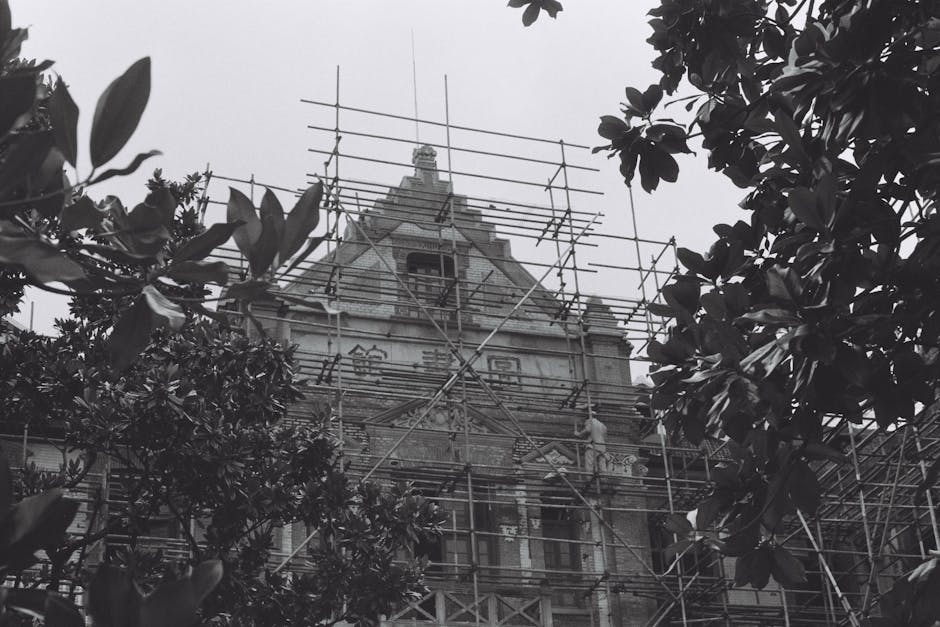
Furthermore, water quality in Kunming Lake is constantly monitored. The influx of tourists brings litter and pollution. While restoration efforts are ongoing—you will almost always see scaffolding somewhere in the park—the most effective conservation method remains limiting the density of human impact. By visiting off-peak and sticking to designated paths, visitors are essentially participating in the site's preservation.
Comments
Comments are currently closed. Have feedback or a question? Reach out through the contact info on the About page.