Coffee and Compliance: The Morning Reality Check
It’s 8:30 AM at the Wagas on West Nanjing Road—my usual spot before the morning commute. The air conditioning is set to ‘arctic’, the coffee is overpriced (approx. £3.85 for a flat white, a figure that still makes my Mancunian wallet wince), and the conversation at the table next to me is predictably frantic.
Shanghai Tax Calculator 2025 (Estimated)
This tool provides a simplified estimation of your monthly tax burden in Shanghai based on the 2025 tax brackets. It assumes standard employment income. Note: This does not replace professional advice.
Monthly Tax Estimator
Am I Actually a 'Resident Taxpayer'?
This is the question I hear most often at expat mixers, usually after the third drink. "I'm just here on a two-year contract, surely I don't pay tax on my global income?" Technically, you are almost certainly a Resident Taxpayer. If you have a domicile in China (which usually applies to Chinese citizens) or if you do not have a domicile but reside in China for 183 days or more in a tax year, you are a resident taxpayer.
The 183-Day Rule: If you are physically present in mainland China for 183 days in a calendar year (Jan 1 to Dec 31), you are a tax resident for that year.
However, for us Brits, the UK-China Double Taxation Agreement and the domestic "Six-Year Rule" are our lifelines.
The Six-Year Clock: Don't Let It Tick Over
This is the nuance that catches people out. If you are a resident taxpayer for six consecutive years, starting from the seventh year, you become liable for IIT on your worldwide income (including that rental property back in Manchester or your investment dividends in the Isle of Man). However, there is a reset button. This is something I track religiously in my "Life Admin" spreadsheet (Tab 4, Row 12). If you leave China for more than 30 consecutive days within a single tax year, the six-year clock resets. I’ve seen friends mess this up by taking a 28-day holiday back to the UK, thinking it was enough. It wasn't. They hit the six-year mark and suddenly their global finances were under the STA's microscope. My wife, Yan, thinks I’m mad for planning our holidays around tax jurisdiction, but when you look at the potential tax bill, a 31-day trip to Europe is basically paid for by the savings.
The Great 'Fapiao' Digression: A Warning on Fringe Benefits
Let’s talk about fapiaos. When I first arrived, fapiaos were physical scraps of paper that faded if you looked at them too hard. I used to keep them in a shoebox. Now, with the fully digitized electronic fapiao system, it’s easier, but the scrutiny is intense. Under the Preferential Tax Policies for Foreign Talents, we can still claim tax exemptions on specific benefits: Housing rental Children's education (crucial for Mia’s nursery costs, which rival a small mortgage) Language training I have a specific Excel sheet just for Yan to upload Mia’s nursery invoices. It might seem obsessive, but here is the 2025 reality: If the fapiao doesn't match the category exactly, it will be rejected. For example, housing allowance. You cannot use a general "service fee" fapiao for your rent deduction anymore. It must be a specific rental fapiao issued by the landlord or the tax bureau in your district. I know a chap who tried to pass off his property management fees as rent; the tax bureau simply disallowed the deduction and recalculated his tax for the whole year. He ended up owing about ¥45,000. If you need a breakdown on what these costs actually look like before tax relief, check my guide on Fudan University & Learning Costs or for the initial setup, look at my Relocation Costs Breakdown.The Sticker Shock of 2025: A Manchester lad's perspective
I remember receiving my first bonus in Chengdu. I’d mentally spent it on a trip to Japan. When the payslip arrived, I thought there was a typo. The deduction was massive. In the UK, we are used to a relatively gentle curve. In China, the progressive tax rates ramp up aggressively. For 2025, the top rate remains 45% for income over ¥80,000 per month (taxable).The Social Insurance Surprise
Before you even get to IIT, you get hit by Social Insurance. In Shanghai, this is mandatory for foreigners. It includes pension, medical, unemployment, etc. It’s roughly 17.5% of your gross salary (employee portion), though it is capped at 3x the average city salary. For high earners, this cap is a mercy. For mid-level earners, it’s a significant chunk of change that disappears before you see it. However, unlike the tax, you can technically claim the pension portion back if you leave China permanently—though the paperwork is famously Kafkaesque.
Pro Tip: Always negotiate your salary as "Net" (after tax) if you can, though fewer companies offer this now. If you are on a "Gross" contract, use the Hays Asia Salary Guide to ensure your base is high enough to absorb the deductions.
The Annual Bonus Loophole (Is it still there?)
Yes. As of May 2025, the preferential tax treatment for the One-Time Annual Bonus is still in effect. This allows your annual bonus to be taxed separately from your monthly salary, often resulting in a lower tax rate. Warning: There is a famous "blind zone" in the bonus calculation. Sometimes, earning ¥1 more in a bonus can push you into a higher bracket and result in less net income. My spreadsheet highlights these danger zones in bright red. Always run the numbers before agreeing to a specific bonus figure.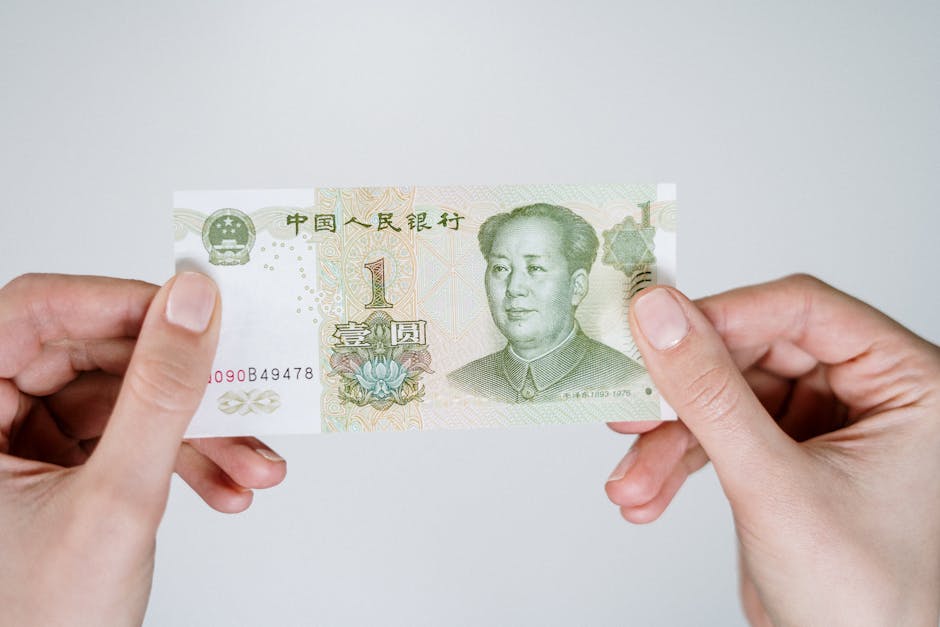
Snapshot: UK vs. China Tax Burden (2025)
I often get asked if I’m better off here or back in Manchester. It’s not a simple answer, but looking purely at the numbers helps. Scenario: Senior Financial Analyst. Gross Annual Income: £80,000 (approx. ¥720,000).| Category | UK (Manchester) | China (Shanghai) |
|---|---|---|
| Gross Income | £80,000 | ¥720,000 (~£80k) |
| Social Security / NI | ~£3,500 (NI) | ~¥45,000 (Social Ins. Capped) |
| Income Tax | ~£19,000 | ~¥110,000 (after deductions) |
| Net Take-home | ~£57,500 | ~¥565,000 (~£62,700) |
| Effective Tax Rate | ~28% | ~21% |
Comments
Comments are currently closed. Have feedback or a question? Reach out through the contact info on the About page.