The Tea Ritual: Tapping Into the Culture
The first time I sat down for a business lunch in Guangzhou back in 2016, I nearly derailed a merger before the first basket of Har Gow arrived. I was sitting with three potential partners from a local FinTech firm, sweating through my suit in the humid May heat, when one of them poured tea into my cup. Nervous and eager to show I wasn't just another clueless laowai who had only arrived in China the year prior, I tapped my index and middle fingers vigorously on the table. I tapped too hard. It sounded less like a polite gesture and more like I was demanding a verdict in a magistrate's court. The table went silent. In Guangzhou, the ritual of Yum Cha (drinking tea) is the operating system upon which all social interaction runs. That finger tap—a silent "thank you" to the pourer—is legendary. The story goes that the Qing Dynasty Emperor Qianlong was travelling incognito through South China. To maintain his cover while pouring tea for his subordinates, he couldn't have them bowing and blowing his disguise. Instead, they bent three fingers on the table to mimic a kowtow.Tip: You don’t need to break your knuckles. A light tap with two fingers (if you’re married) or a single finger (if single) is the standard, though frankly, two fingers is the safest bet for everyone.
But the real genius of Cantonese dining design isn't the tap; it's the lid flip. If you want a refill in Manchester, you have to awkwardly catch a waiter's eye or wave your hand like you're drowning. In Guangzhou, you simply slide the lid of your teapot halfway off, or flip it upside down and balance it on the rim. It is a silent signal, a perfect piece of User Experience (UX) design that alerts the staff to refill the water without interrupting the flow of conversation. It is elegant, efficient, and systems-oriented—everything I love.
The Scale of the Beast: Guangzhou by the Numbers
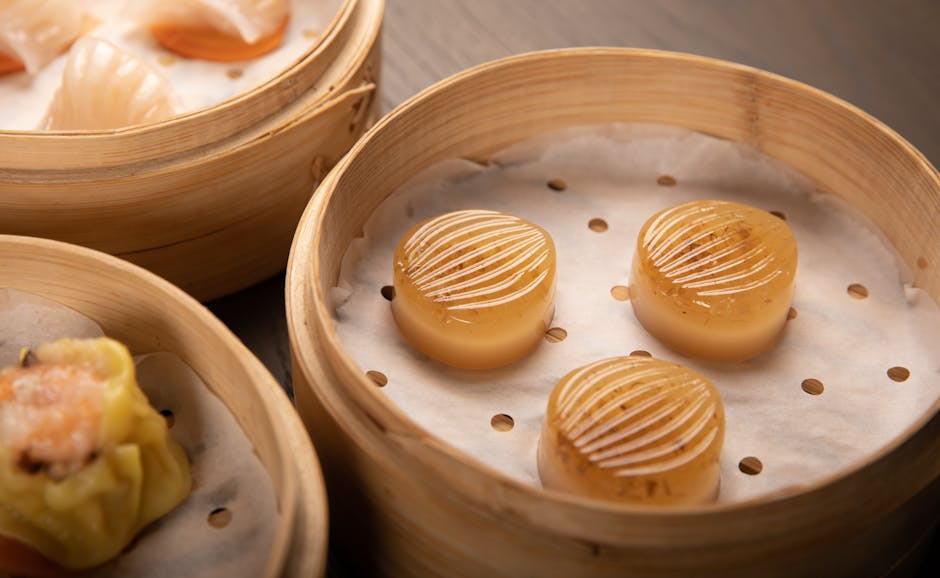
Let’s strip away the romance of bamboo steamers for a moment and look at the financials. To understand the food scene here, you have to respect the sheer volume of the market. Guangzhou isn't just a city; it's a logistical marvel of caloric consumption. According to the National Bureau of Statistics of China (NBS), the urbanization rate in this region has created density clusters that make London look like a sprawling village. We are talking about a population density in the core districts that supports a restaurant ecosystem operating on razor-thin margins and massive turnover. The data suggests that the catering revenue in Guangdong province consistently outpaces other regions. This isn't just because people like to eat; it's because the supply chain is hyper-localized. Unlike Beijing, where I lived briefly before settling in Shanghai, which relies heavily on food imports from surrounding provinces, Guangzhou sits in the Pearl River Delta. It’s a historic breadbasket (or rice-basket) that allows for a "farm-to-table" speed that is practically instantaneous. When you look at the sheer economic output of the catering sector here, it rivals the GDP of small European nations. It is an industry built on speed, volume, and a ruthless adherence to freshness.The Morning Rush at Panxi Restaurant
If you want to see this engine in motion, go to Panxi Restaurant at 8:00 AM. Do not go at 10:00 AM; by then, the war is over. Walking into Panxi is an assault on the senses that rivals the trading floor of the London Stock Exchange in the 1980s. The noise level is a dull, constant roar of Cantonese chatter, clattering porcelain, and the squeak of trolley wheels. It sits on the edge of Liwan Lake, a massive garden restaurant complex that feels like a dining theme park. In the old days, and still occasionally here, you had pushcarts. Ladies would wheel steamers of Feng Zhao (chicken feet) and Pai Gu (spare ribs) past the tables. This was a contact sport. If you saw the cart with the Ma Lai Gao (sponge cake), you didn't wait for it to come to you; you got up, receipt card in hand, and intercepted it. Most places have moved to order sheets now, ticking boxes with a pencil, which is more civilized but less visceral. Yet, the energy remains. You are sharing a table with strangers—a practice called Da Tai. I once spent 45 minutes sharing a table with an elderly couple who critiqued my chopstick technique in rapid-fire Cantonese while feeding their poodle under the table. It wasn't relaxing, but the shrimp dumplings were translucent works of art.For a contrast in dining culture, see my earlier thoughts on Dining Like a King: Guide to Shanghai Restaurant Week, where the vibe is decidedly more reserved and Westernized.
Survival Kit: Safety and Logistics
I have lived in China for nine years, and I still have a "Manchester Tummy" fear that dictates my life. While Guangzhou's hygiene standards in top-tier restaurants are generally excellent, the water situation requires discipline. Rule #1: The Ritual Rinse. When you sit down, you will be given a large plastic bowl and a pot of tea or hot water. This is not for drinking. You must rinse your cup, bowl, spoon, and chopsticks in the hot water and dump it into the plastic basin. It is called Xi Bei (washing cups). Is the water hot enough to actually sterilize the crockery? Scientifically, probably not. But it washes away dust and detergent residue, and frankly, if you don't do it, the waiter will look at you like you’re a savage. Rule #2: The Water Source. Do not drink tap water. Even if you are in a 5-star hotel in Tianhe. Even if you boiled it. I refuse to drink it unless it has come from a sealed bottle. The GOV.UK Foreign Travel Advice is explicitly clear on health standards, noting that tap water is not potable. I take this religiously. I once brushed my teeth with tap water in a rush before a presentation in 2018 and spent the next 24 hours regretting it.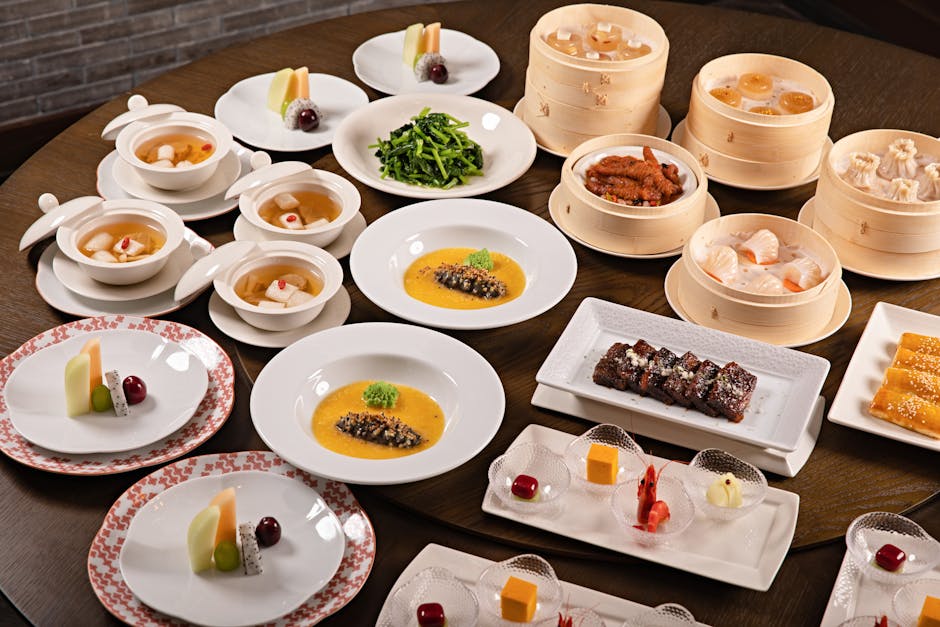
The Roast Goose at Bing Sheng
Beijing has Peking Duck; Guangzhou has Roast Goose (Siu Ngo). And if I’m being honest—and risking my visa status with my Beijing friends—the goose wins. The specific spot I recommend is Bing Sheng Taste. The goose here is roasted in a way that renders the subcutaneous fat into a layer of savoury, oily perfection that bastes the meat from the inside out. Unlike Peking Duck, which is often separated into skin and meat and eaten with pancakes and hoisin, Cantonese roast goose is chopped bone-in and served with a tart plum sauce. The plum sauce is the key. It cuts through the rich grease of the goose with an acidity that makes your salivary glands ache. This is part of the broader Siu Mei (roast meat) culture. Walk down any street in the Yuexiu district and you will see windows displaying amber-coloured ducks, soy sauce chickens, and strips of Char Siu (BBQ pork). It is a display of culinary prowess intended to mesmerize pedestrians, and it works on me every single time.Cost Analysis: The GBP Value Matrix
I keep a spreadsheet of my living costs. It’s a habit from my analyst days that I can’t shake. When my friends from the UK visit, they are often baffled by the price disparity. To illustrate this, I’ve pulled the latest data from Numbeo (verified as of May 2024) to compare a standard mid-range dining experience. I call this the Sterling Index:| Item | London (Chinatown) Avg. | Guangzhou Avg. | The Sterling Index (Multiplier) |
|---|---|---|---|
| Meal for 2, Mid-range Restaurant, Three-course | £65.00 | £18.50 (¥168) | 3.5x |
| Domestic Beer (0.5 liter draught) | £6.00 | £0.88 (¥8) | 6.8x |
| Standard Basket of Har Gow (Dumplings) | £6.50 | £2.20 (¥20) | 2.9x |
If you are calculating relocation costs, this food variance is massive. See my breakdown in Landing at Shanghai PVG: Airport Arrival Costs and Relocation Guide for how this impacts a monthly budget.
A Day in the Life of a Stomach
Eating here is not discrete; it is continuous. If you want to understand Guangzhou in Chinese culture (广州文化), you look at the clock. 7:00 AM: Cheong Fun (Rice Noodle Rolls). I grab these from a hole-in-the-wall near the metro. They are steamed instantly on metal trays, scraped up into wrinkled piles, and doused in soy sauce. 12:00 PM: The Business Lunch. This usually involves a soup course. Cantonese people believe soup has medicinal properties. "Dampness" (shiqi) is the enemy, and slow-cooked herbal soups are the cure. 3:00 PM: Dan Ta (Egg Tarts). A legacy of the proximity to Macau and Hong Kong. The flaky pastry version is superior to the shortcrust version. I will fight anyone on this. 10:00 PM: Ye Cha (Night Tea) or Congee. The city comes alive again at night. Seafood congee (rice porridge) is the ultimate comfort food. It’s silky, savoury, and digestively gentle before bed.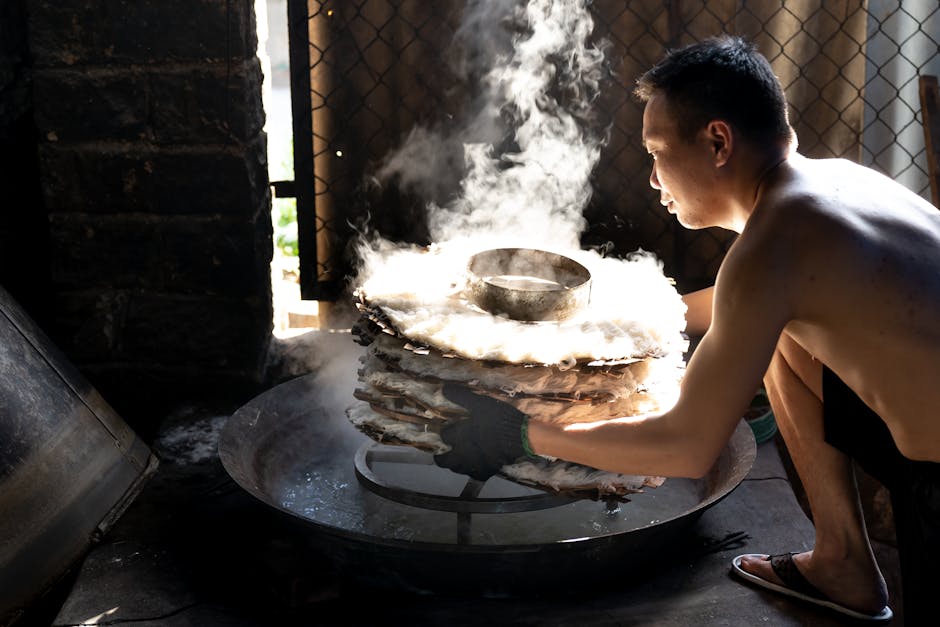
The Business of Eating: Expensing the Meal
I usually travel to Guangzhou for FinTech conferences, which means I am expensing my meals. For those new to China, a credit card slip is useless. You need a Fapiao. A Fapiao is an official invoice monitored by the State Taxation Administration (STA). It is how the government tracks tax compliance. When you ask for the bill ("Mai Dan"), you must shout "Kai Fapiao!" (Open an invoice). Here is the quirk: many Fapiao used to have a scratch-off section like a lottery ticket. You could win small amounts of cash, usually 5 or 10 RMB. It was a brilliant incentive system to get customers to demand receipts, thereby forcing restaurants to declare their income. While everything is going digital now (electronic Fapiao sent to your WeChat), the panic of losing a paper Fapiao and explaining it to my finance department is a trauma I still carry.Tip: Save the QR code of your company's tax title on your phone. You will need to scan it at the restaurant counter to generate the e-Fapiao.
Why is 'Cantonese' the Global Default?
Why does every takeaway in Manchester serve Sweet and Sour Pork? It’s a demographic accident. The vast majority of early Chinese emigrants to the UK and US in the 19th and 20th centuries came from Guangdong province (Canton) and Hong Kong. They brought their specific regional cuisine with them, adapted it for Western palates (adding more sugar, frying more things), and it became the de facto "Chinese Food" for the world. When I first arrived in China in 2015, I expected everything to taste like my local takeaway in Didsbury. Instead, I found that authentic Cantonese food is incredibly subtle. It relies on the natural sweetness of the ingredients rather than added sugar. Steamed fish with ginger and spring onion is the benchmark. It feels weirdly familiar because of the flavour profile, yet totally alien because the quality is lightyears ahead.The Myth of 'Everything Edible'
There is a tired cliché about Cantonese people eating "anything with four legs except the table." When I moved to China, I assumed I’d be dodging snakes and scorpions at every meal. While you can find snake soup (it’s actually quite warming in winter), the reality of modern Guangzhou dining is an obsession with freshness, not shock value. The philosophy is "Tank to Table." In many restaurants, you walk past walls of aquariums. You point at a specific fish, it is netted, and twenty minutes later it is on your plate. The "bizarre" textures—like jellyfish or chicken cartilage—are prized for "Kou Gan" (mouthfeel), usually a crunchiness or elasticity that Western palates aren't trained to appreciate. It took me three years to enjoy the texture of duck intestines. Now? I order them specifically for the crunch. It’s not about eating weird animals; it’s about wasting nothing and appreciating every texture nature provides.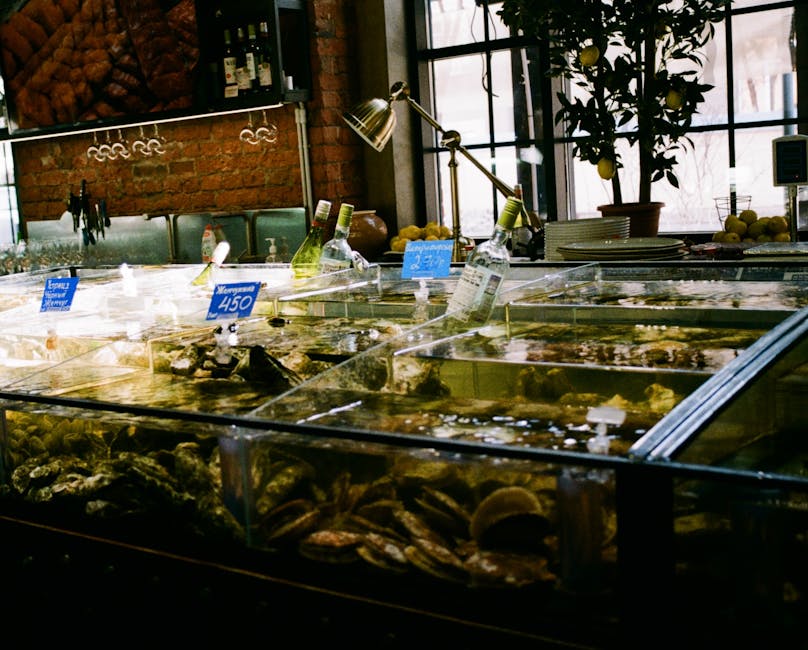
If this was useful, check out:
Comments
Comments are currently closed. Have feedback or a question? Reach out through the contact info on the About page.