The Sticker Shock of the 'Shanghai Tower' View
I remember my first week in Shanghai vividly. It was February 2015, exactly ten years ago. I stood on the Bund, freezing in a coat I’d brought from Manchester, staring across the Huangpu River. The Shanghai Tower was nearing completion, twisting into the clouds like a glass dragon. Back then, I did a crude calculation on the back of a napkin: my new salary divided by the price of a bowl of scallion oil noodles (then about 8 RMB). I felt like I’d won the lottery. Fast forward to last week. I was sitting at my dining table in Jing’an, reviewing the 2025 Sterling Family Budget spreadsheet. My daughter, Mia, was napping, and my wife, Yan, was looking over my shoulder at the conditional formatting I’d applied to our "Imported Cheese" column. The math has changed. While the skyline remains impressive, the financial reality of maintaining a "London standard" of life here is a complex beast. Newcomers often Google "Shanghai in Chinese" characters to impress their friends, but they should be Googling "Shanghai International School Tuition Fees 2025." While daily consumables remain affordable, the infrastructure of comfort—what I call "Expat Lifestyle Inflation"—can rapidly equalize the cost of living between these two global financial hubs.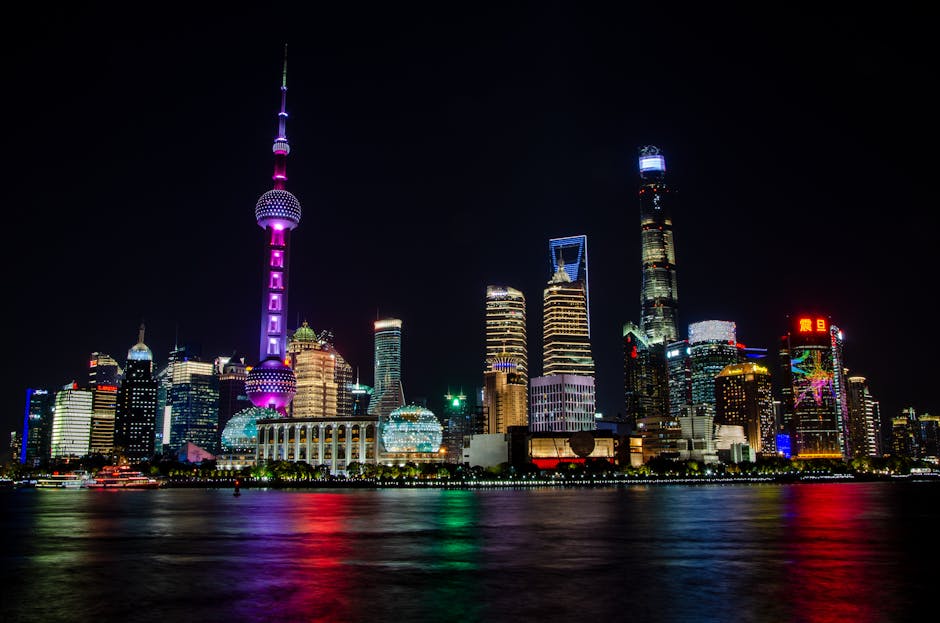
The Evolution of Expenses: From Bachelor to Family Man
My financial journey here has moved through distinct phases, a trajectory I see repeated by almost every Brit who lands at Pudong Airport. Phase 1: The Honeymoon (Months 1–18) When I arrived, I was single. My biggest expense was craft beer and high-speed rail tickets to travel on weekends. I lived like a local king. I ate out every night because a feast cost £15. I laughed at the idea of cooking. Phase 2: The Settling In (Years 2–5) The novelty of daily dumplings faded. I started craving decent cheddar, proper tea bags (which I still hoard), and wine that didn't taste like vinegar. My grocery bill tripled as I swapped the wet market for City Shop. Phase 3: The Family Premium (Year 5–10) This is where I am now. With a toddler, the budget shifts defensively. We invested in high-end air filtration systems for every room (a non-negotiable expense). We moved to a compound with green space. Suddenly, I wasn't comparing the cost of a pint; I was comparing the cost of pediatric care.
Key Takeaway: The longer you stay, the more your "personal inflation rate" diverges from the local CPI. A single expat can save 40% of their income easily. A family requiring international infrastructure might struggle to save 10% without a robust package.
The Numbers Game: Rent, Pints, and Pre-Tax Reality
Let's look at the hard data. It is easy to be seduced by average statistics, but "average" in Shanghai includes a vast population living on local wages. For a professional expat, we need to compare apples to apples—or rather, a flat in Kensington to a flat in the Former French Concession. Below is a comparison of key costs as of February 2025. I have converted prices to GBP using the current spot rate I track daily (approx. £1 = 9.1 RMB).| Item / Category | London (Zone 1-2) | Shanghai (Jing'an/Pudong) | Difference |
|---|---|---|---|
| 1-Bed Apartment (City Centre) | £2,300 | £1,100 (10,000 RMB) | -52% |
| 3-Bed Apartment (Expat Compound) | £4,500 | £3,075 (28,000 RMB) | -31% |
| Monthly Utilities (85m2) | £280 | £60 (550 RMB) | -78% |
| International Primary School (Yearly) | £22,000 (Private) | £30,700 (280,000 RMB) | +39% |
| Cappuccino | £3.90 | £3.85 (35 RMB) | ~Equal |
Source: Numbeo: Shanghai vs London Cost of Living. Last verified: 2025-02-10
The rent gap is closing, particularly if you want to live near the Shanghai Tower in Lujiazui or in a historic lane house. But notice the school fees. That is the "gotcha." In London, you have the option of State schools. Here, unless your child is fluent in Mandarin and you are comfortable with the local curriculum (which is rigorous but very different), you are forced into the private sector.
The Hidden Wealth Erosion: Taxation and Transfers
Income is the other side of the ledger. According to the Hays Asia Salary Guide, financial and tech salaries in Shanghai are increasingly competitive with London, sometimes even higher for niche roles. However, many Brits misunderstand the tax system. China uses a progressive tax rate for Individual Income Tax (IIT) that ramps up aggressively. The Trap: Many expats assume a flat low rate. The Reality: Once your monthly taxable income exceeds roughly £9,000 (80,000 RMB), you are hitting the 45% tax bracket on the excess.
Pro Tip: The saving grace is the special deduction system for foreigners. Currently, we can deduct housing rent, children's education, and language training from our pre-tax income before calculating tax. This requires collecting "Fapiao" (official invoices). If you don't do this admin work, you are effectively throwing away thousands of pounds a year.
You can review the specific brackets at the State Taxation Administration (STA) - Individual Income Tax Law. If you are earning a local salary without these deductions, your take-home pay might be shockingly lower than a UK equivalent after National Insurance.
The Gubei Grocery Run: Where the Wallet Really Weeps
Every Sunday, I visit the imported supermarket in Gubei (an area heavily populated by expats). This is where my spreadsheet turns red. In the UK, a decent block of cheddar is a staple. Here, it is a luxury import. A standard 350g block of Cathedral City style cheese can cost £9. A box of familiar cereal? £8. I refuse to drink tap water—even boiled—so we buy large 5L jugs of mineral water. It adds up. Local produce is incredibly cheap—according to the National Bureau of Statistics, vegetable prices are a fraction of the UK. But let's be honest: are you going to cook bok choy and tofu every single night for 10 years? Probably not. You will pay a premium for home comforts.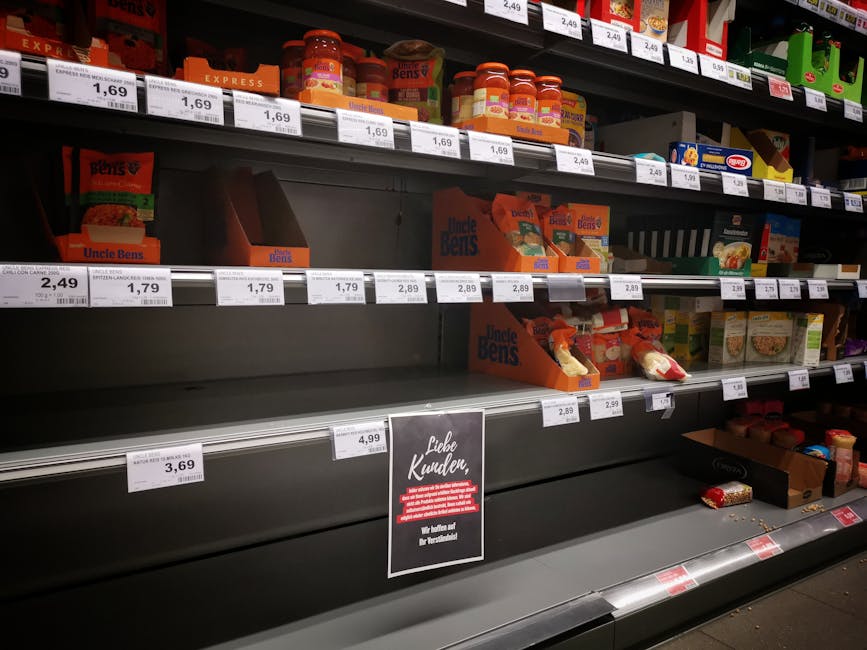
The 200,000 RMB Question: Education and Health
This is the single biggest deviation from a London budget. In Manchester, if I get sick, I go to the NHS. It might be slow, but it's free at the point of use. In Shanghai, public hospitals are excellent for trauma but difficult for routine care if you don't speak fluent Mandarin or want privacy. The alternative is "VIP Wards" or international clinics. A simple GP consultation can cost £150 without insurance. The GOV.UK Foreign Travel Advice explicitly warns that medical costs can be high and immediate payment is expected. This makes high-end health insurance mandatory. For a family of three, a comprehensive policy (covering high-cost international clinics) can run between £8,000 and £12,000 per year. Then there is education. As cited by the Ministry of Education, international schools are regulated entities primarily for children of foreign personnel. They are priced like luxury goods. We are currently budgeting £30,000 per year for Mia’s future schooling. That is post-tax money (unless your company covers it, which is becoming rarer).Final Analysis: The 'Disposable Income' Verdict
So, is Shanghai cheaper? If you are 25, single, and willing to live like a local with occasional splurges: Yes, significantly. You can save money here that you would burn on rent and railcards in London. If you are 37, married with a child, and require Western healthcare and education: The gap disappears. Here is my theoretical balance sheet for a Senior Analyst earning £80,000 (approx. 730,000 RMB) in both cities:| Category | London (Net Impact) | Shanghai (Net Impact) |
|---|---|---|
| Tax Efficiency | Standard UK Rates | Better (IF using housing/school deductions) |
| Housing Cost | High | Medium |
| Healthcare | £0 (NHS) | £10k+ (Insurance) |
| Education | £0 (State) | £30k+ (Private) |
| Result | Moderate Savings | High Savings (Single) / Low Savings (Family) |
Source: Derived from Hays Asia Salary Guide and personal budget aggregation. Last verified: 2025-02-10
The Shanghai advantage is fragility. In London, losing a job is a crisis, but the safety net exists. Here, the cost of living is tied entirely to your employment package. The moment the school fees and housing allowance drop out, the Shanghai Tower view becomes very expensive indeed.
Comments
Comments are currently closed. Have feedback or a question? Reach out through the contact info on the About page.