The 'A to C' Rule: Solving the Biggest Logistics Blunder
When friends back in Manchester ask me about visiting China, the conversation inevitably drifts to visas. "Oliver," they'll say, "I've heard I can just turn up in Shanghai for a week without the paperwork." My response is always the same: "Yes, but only if your itinerary looks like a spreadsheet formula, not a holiday wish list." The 144-hour visa-free transit is not a tourist visa; it is a transit exemption. This distinction is where 90% of travelers fail. The most critical failure mode is the A -> B -> A itinerary. The Rule: You must travel from Country A (e.g., UK) to Region B (e.g., Shanghai) and then immediately onward to Country C (a third country or region). The Failure: London -> Shanghai -> London. This is not transit. This is a round trip. If you attempt to board a plane at Heathrow with this itinerary and no visa, you will be denied boarding. The airline creates the first firewall because they are liable for flying you back if you get rejected at the border.
Key Definition: "Country C" includes Hong Kong, Macau, and Taiwan. This is the strategic loophole. An itinerary of London -> Shanghai -> Hong Kong is perfectly valid.
The Non-Negotiable Itinerary Formula
Think of this logic gate like a financial audit. The immigration officer needs to see a confirmed seat on a flight leaving China within 144 hours.| Origin (A) | China Entry (B) | Next Destination (C) | Verdict ✅/❌ |
|---|---|---|---|
| London (LHR) | Shanghai (PVG) | Tokyo (NRT) | ✅ Valid Transit |
| London (LHR) | Shanghai (PVG) | London (LHR) | ❌ Invalid (Round Trip) |
| London (LHR) | Shanghai (PVG) | Beijing (PEK) -> Tokyo | ❌ Invalid (Double Stop) |
| Manchester (MAN) | Shanghai (PVG) | Hong Kong (HKG) | ✅ Valid Transit |
Tip: Watch out for technical stops! If your flight from London to Shanghai stops in Guangzhou for fuel/passengers but keeps the same flight number, you have technically "entered" China in Guangzhou. Since the 144-hour rule is regional, this often disqualifies you. Ensure your flight into your chosen city is non-stop from outside mainland China.
For authoritative confirmation on these rules, always cross-reference with the Chinese Visa Application Service Centre (London).
Visa vs. 144-Hour Transit: The Decision Matrix
I've lived here for 9 years (since 2015), and while I have a residence permit, I constantly advise visiting family on this choice. It is a risk-reward calculation. The transit visa is free (£0), but the "cost" is higher stress and zero flexibility. Here is the decision matrix I send to my former colleagues in the City when they plan a "quick look" at the Chinese market: 1. Cost: L-Visa (Tourist): Roughly £130+ (standard service + service fee). 144-Hour Transit: Free at the border. 2. Certainty: L-Visa: You have the visa in your passport before you fly. You know you can enter. 144-Hour Transit: Granted at the discretion of the border officer upon arrival. If your documents (hotel booking, onward flight) are messy, they can deny you. 3. Flexibility: L-Visa: You can stay up to the duration granted (usually 30 days), enter/exit multiple times (if double entry), and travel anywhere in China. 144-Hour Transit: You are geographically locked to the administrative region (e.g., Shanghai + Jiangsu + Zhejiang). You cannot spontaneously decide to visit the Great Wall in Beijing. According to GOV.UK Foreign Travel Advice, your passport must have at least 6 months of validity remaining from your date of entry. This is strictly enforced. I once saw a chap at PVG immigration arguing about his passport expiring in 5 months and 3 weeks. He was put on the next flight back to Europe.Landing at PVG: From Tarmac to Maglev
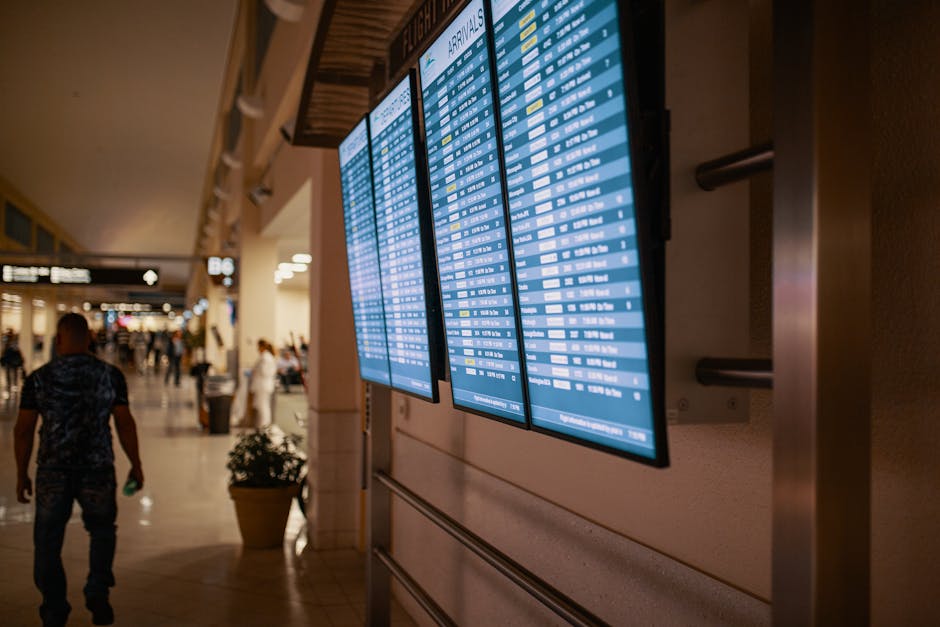
The arrival experience at Shanghai Pudong International Airport (PVG) usually involves a very long walk. Whether you land at Terminal 1 or 2, prepare for a hike. When you reach the immigration hall, do not join the massive queue of foreigners holding valid visas. Look for the signage—usually blue or distinct from the main overhead signs—that says "24/144-hour Transit Area".Step-by-Step Procedure (As of Jan 2024):
1. Locate the Transit Counter: It is usually on the far side of the immigration hall. It is rarely staffed by more than two officers. 2. The Blue Card: Do not fill out the yellow arrival card distributed on the plane. At the transit desk, there are specific Blue Arrival Cards for transit passengers. 3. Document Presentation: You must present: Passport (6+ months validity). Confirmed onward ticket (A4 printout is safer than a phone screen). Hotel confirmation (Proof of address). 4. The Interview: The officer will check your onward ticket. They may ask, "Where are you staying?" and "When do you leave?" Keep answers short and factual. 5. The Sticker: You do not get a standard entry stamp. You get a sticker that explicitly states the date you must leave.Tip: The 144 hours officially start from 00:00 the day after you arrive. If you land on Monday at 8:00 AM, the clock starts Tuesday at 00:00. This actually gives you a bit more than 144 hours. However, do not push your luck. Book your exit flight well within the window.
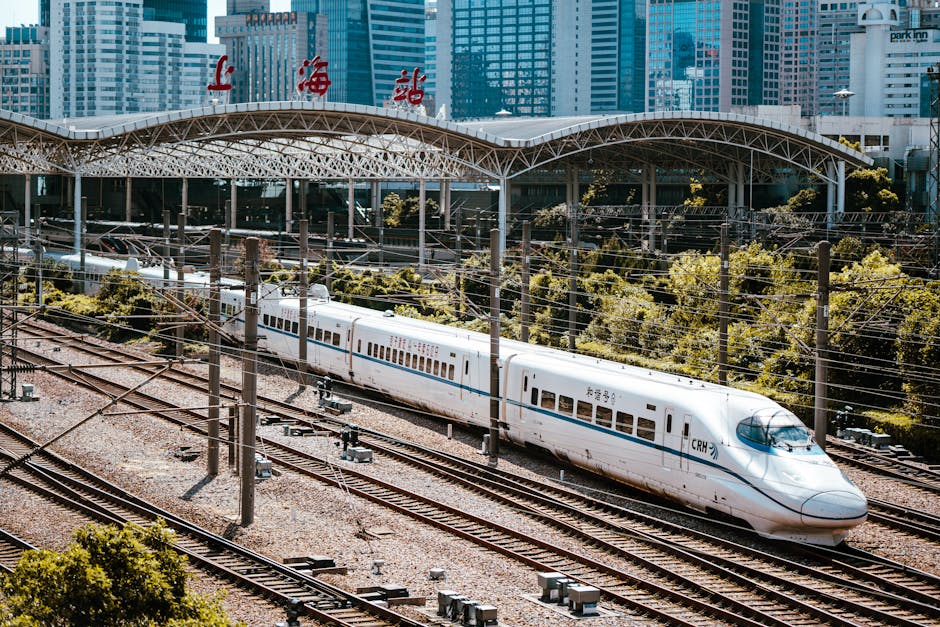
Once you clear customs, you are in Shanghai. I strongly recommend taking the Maglev train just for the experience. Watching the digital speedometer hit 300km/h (or 430km/h during peak hours) is the perfect introduction to the city's pace. For more on navigating the city once you land, you might find my guide on Landing at Shanghai PVG helpful for understanding transport costs.
The Police Registration Hurdle: What the Community Says
This is the "grey area" that confuses every British visitor. Under Chinese law, all foreigners must register with the Public Security Bureau (PSB) within 24 hours of arrival. If you are staying in a hotel: Relax. The hotel reception scans your passport upon check-in. This digital scan connects directly to the police database. You do not need to do anything else. If you are staying with friends or AirBnB: This is where it gets tricky. Technically, you must go to the local police station serving that residential compound. I checked the British Expats Forum recently to see current experiences. Users discuss this often in threads like "The Welcome Inn". One user noted that while enforcement can feel "lax" for short visits, the data systems are becoming increasingly integrated. In 2019, I had a mate from Manchester stay at my apartment. We went to the local police station to register him. The officer looked at his 4-day itinerary and sighed, clearly thinking it was paperwork for the sake of paperwork, but he stamped the "Registration Form of Temporary Residence" anyway. My Advice: If you are on the 144-hour transit, stay in a hotel. It automates the bureaucracy. If you must stay with a friend, go to the police station. The fine for non-registration can be up to 2,000 RMB (£220), and it could flag you for future visa applications. For a deeper dive on this, see my article on Shanghai Police Registration.Budgeting Your 144 Hours: A Financial Analyst's Breakdown
Shanghai is not cheap, but it is manageable if you avoid the tourist traps on the Bund. As someone who tracks the price of milk in Excel, here is what you should budget. Using data from Numbeo (verified Jan 2024) and my own spending logs, here is a daily projection for a British traveler.Daily Spend Projections (GBP)
Exchange Rate Assumption: £1 = 9.0 RMB (approx)| Item | Budget Traveler | Business/Comfort | Notes |
|---|---|---|---|
| Accommodation | £45 | £110 | 3-star vs. 5-star standard |
| Meals | £20 | £60 | Noodles/Dumplings vs. Western dining |
| Coffee/Tea | £8 | £15 | Coffee is surprisingly expensive here |
| Transport | £3 | £20 | Metro is dirt cheap; Didi (Uber) adds up |
| TOTAL | £76 | £205 | Per day |
Why Shanghai Dominates the Statistics
According to National Data (NBS), the Eastern region (Shanghai/Jiangsu/Zhejiang) consistently holds the highest concentration of foreign enterprise. This is why the 144-hour policy is most utilized here—it caters to the business traveler popping in for a trade show in Yiwu or a meeting in Lujiazui.Tip: Carry cash (RMB). While everyone uses Alipay/WeChat Pay, setting those up for a 4-day trip can be a headache with foreign cards (though it's getting easier). Cash is legally required to be accepted, though you might get a grumpy look if you pay for a £0.30 metro ticket with a £10 note.
Can You Leave the City? The Geographic Trap
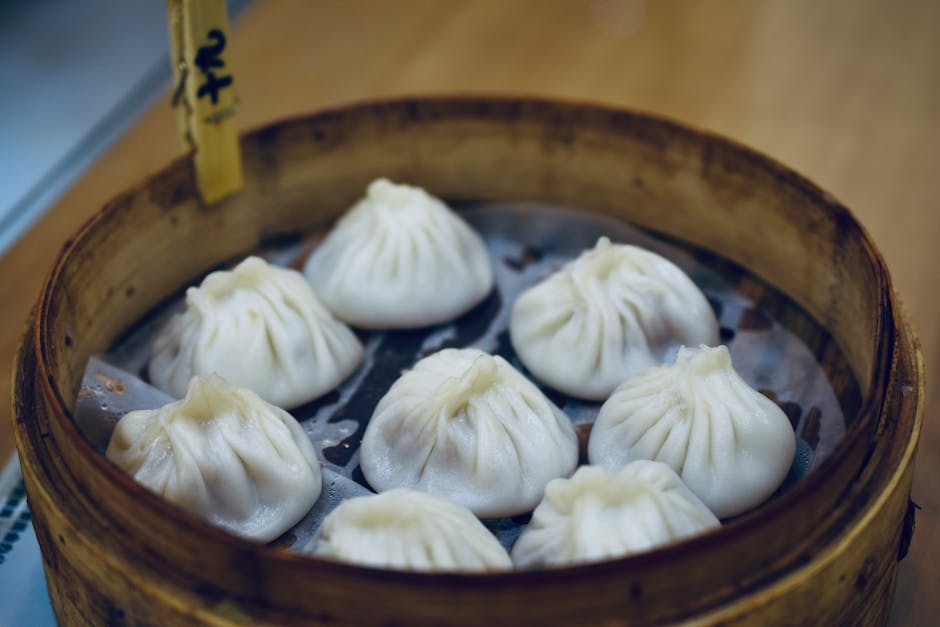
This is the most dangerous misconception. The visa exemption applies to specific administrative zones, not the whole of China. If you enter via Shanghai (PVG or Hongqiao), your allowed movement zone is the Jiangsu-Zhejiang-Shanghai Triangle. Allowed: Taking the high-speed train to Hangzhou (West Lake) or Suzhou (Gardens). These are in Zhejiang and Jiangsu provinces, respectively. Prohibited: Taking a train to Beijing, Xi'an, or even Anhui province. If you book a train ticket to a city outside the allowed zone, the system may flag you. At best, you'll be stopped at the station. At worst, you'll be detained for violating visa conditions. The "Beijing Cluster" is different. If you land in Beijing, you can travel within Beijing, Tianjin, and Hebei province. You cannot travel from Beijing to Shanghai on this visa. The zones are separate bubbles.A Tea Set and a Spreadsheet: Making the Most of Limited Time
Last week, I was wandering through the antique market on Fangbang Middle Road. I spotted a Republic-era tea set—cracked glaze, beautiful cobalt blue. The vendor wanted 800 RMB. I did a quick calculation: roughly £88. Similar sets in Manchester antique shops go for triple that. I bought it, naturally. But as I wrapped the cups, I realized how quickly 144 hours would vanish in this city. If you are here for 6 days, you cannot see everything. You cannot "do" China. My recommendation is the Hub and Spoke model: Days 1-3: Shanghai (The Bund, French Concession, Lujiazui). Day 4: Day trip to Suzhou (25 mins by train). See the gardens. Day 5: Return to Shanghai, perhaps hunt for souvenirs or visit a wet market. * Day 6: Airport. Don't over-schedule. Leave time for the unexpected—a random street food stall, a conversation with a taxi driver (using translation apps), or just watching the barges on the Huangpu River. I've been here 9 years, and I still find new lanes in the Old City that aren't on my spreadsheet. Plan your paperwork with military precision so you can enjoy the chaos of the city with total freedom.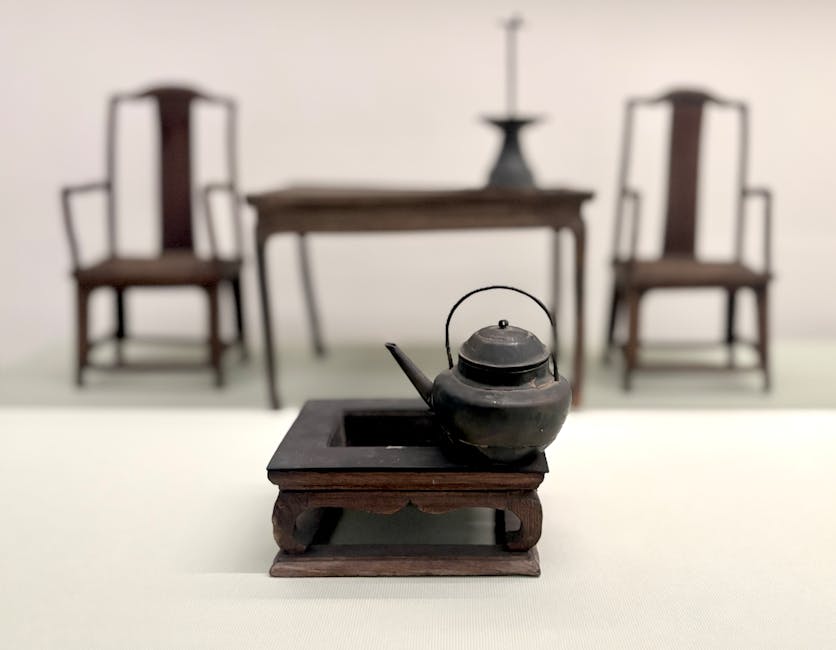
Comments
Comments are currently closed. Have feedback or a question? Reach out through the contact info on the About page.