The Numbers Behind the Skyline
Standing on the Bund on a Saturday afternoon, the sheer density of humanity pressing against the railing can be suffocating. It is a sensory assault that many first-time visitors mistake for the "real" experience. But as a financial analyst who has spent the last 11 years decoding the economic pulse of this city, I view these crowds differently—as data points indicating market saturation. The logic for leaving the Lujiazui financial district isn't just about seeking tranquility; it is a value proposition. According to National Data (NBS Official Database), Shanghai consistently ranks among the top destinations for inbound international tourism. The concentration of these visitors in Districts like Huangpu and Pudong New Area creates a localized inflation bubble.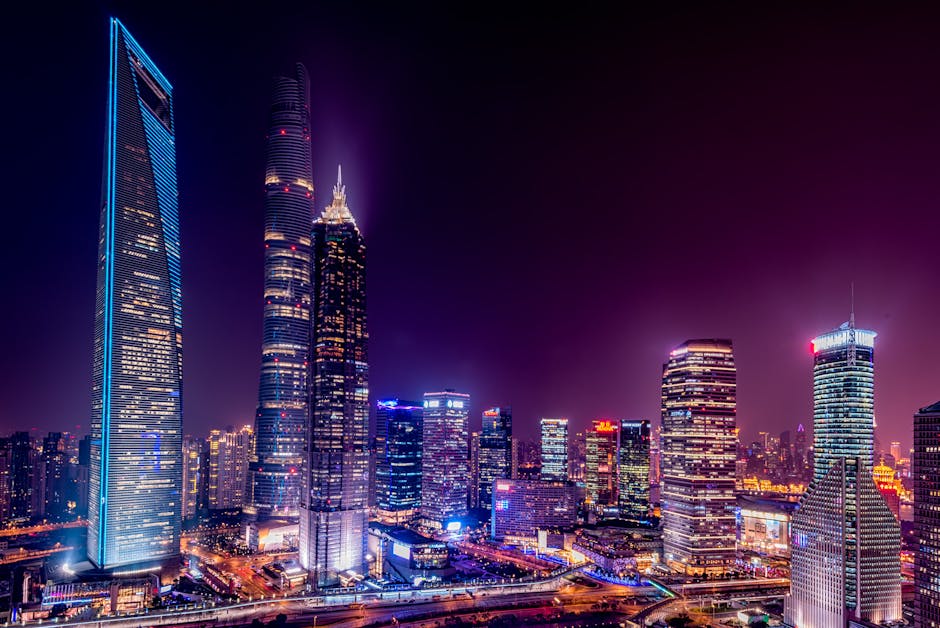
Qibao Old Town: A Sensory Pivot
Stepping off the metro and walking onto Puhui Bridge in Qibao creates a sensory pivot that feels almost violent compared to the sterile air-conditioning of the financial district. The air here is thick. It’s a complex, battling aroma: the pungent, aggressive scent of fermentation from the stinky tofu vendors warring with the cloying, sugary steam of freshly pounded glutinous rice cakes (niangao). It’s messy. It’s loud. And it is exactly what I spent my first few years here trying to avoid, only to realize later it was the thing I actually missed from Manchester—character.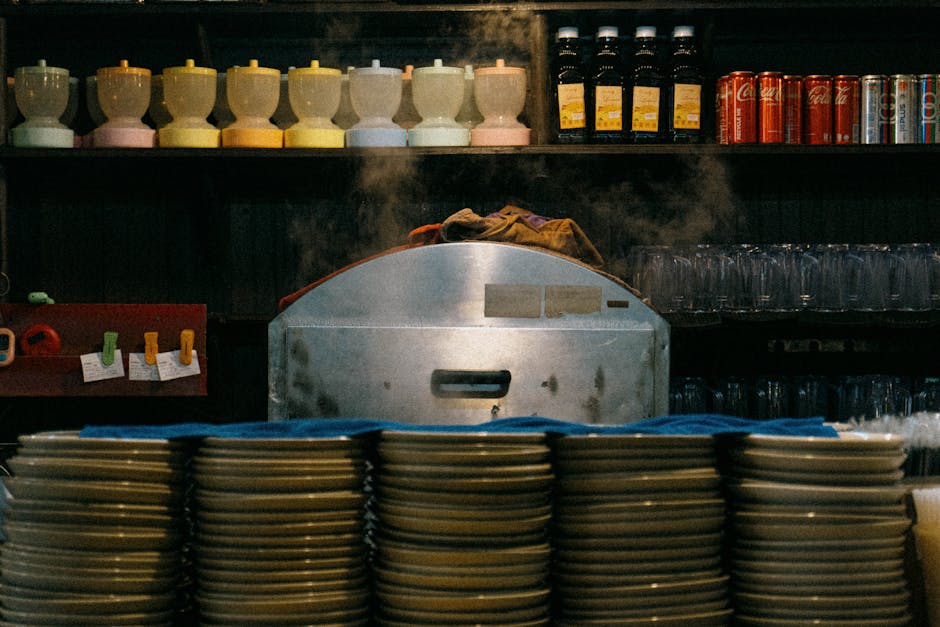
Street Food vs. Restaurant Dining: A Risk Assessment
For the British traveler, the transition from a sanitized hotel breakfast to a street-side vendor is often a source of significant anxiety. I’ve broken down the risk-reward ratio below. This isn't just about flavor; it's about hygiene standards and the social currency of the meal.
Note on Gut Health: As someone who still refuses to drink tap water even after boiling it twice (old habits die hard), I approach street food with caution. The "iron stomach" takes years to develop. If you are here for a week, do not try to be a hero.
| Feature | Street Vendor (The Stall) | Mid-Range Restaurant (The Establishment) |
|---|---|---|
| Average Cost (GBP) | £1.50 - £3.50 per person | £15.00 - £35.00 per person |
| Hygiene Risk | Moderate/High. Look for high turnover. If the food is sitting there cold, walk away. Refer to National Health Commission advisories regarding seasonal outbreaks. | Low. Regulated kitchens, though "B" grade ratings are common even in nice places. |
| Authenticity Score | Raw. You are eating what the locals eat on a Tuesday rush. Unfiltered flavor profiles (often heavy on MSG/Oil). | Curated. Flavors may be toned down for a broader palate. Presentation takes precedence over rustic taste. |
| Social Experience | Transactional. Point, pay, eat, move. | Relational. A place to sit, chat, and observe. Better for families or business discussions. |
| Gut Health Warning | High risk of "Shanghai Stomach" for the uninitiated. | Safer bet, but never drink the ice water unless you're sure it's filtered. |
Source: Numbeo Shanghai & Personal Analysis. Last verified: 2026-03-10
Navigating the 'Authenticity' Trap
One of the most persistent issues for visitors to Shanghai—and indeed, any major Chinese hub—is the commodification of "tradition." British travelers, in their polite desire to experience local culture, are prime targets for what we locally call the "Tea Ceremony Scam." The problem usually manifests near major tourist sites (People's Square, the Bund, and increasingly, the entrances to Old Towns like Qibao). A seemingly friendly couple or student will approach you, claiming to want to practice English. They will inevitably suggest a "traditional tea ceremony" nearby.Tip: If a stranger initiates the conversation and suggests the venue, it is almost certainly a trap. You will be presented with a bill for hundreds, sometimes thousands, of pounds for low-grade tea.
Proactive vetting is the solution. A legitimate tea house does not need touts to drag people in off the street. They are usually quiet, perhaps a bit dusty, and the owners are often indifferent to your presence until you show genuine interest in the leaves. Before you sit down, check the menu. If there isn't a menu with clear pricing, leave immediately.
Always ensure your travel documents are in order before venturing out, as random checks can happen, though they are rare. Refer to GOV.UK Foreign Travel Advice for the latest on carrying identification and passport validity. Authenticity in China is found in places that ignore you, not places that chase you.
The Spreadsheet of Dumplings
I have a confession to make. It drives my wife, Liu Yan, absolutely mad. I maintain an Excel spreadsheet tracking the Xiao Long Bao (soup dumplings) of Greater Shanghai. It currently has 142 entries. The columns include: Location, Price per Basket (converted to GBP), Skin Thickness (rated 1-5), Soup Viscosity, Pork-to-Fat Ratio, and a subjective "integrity" score which measures whether the dumpling breaks when lifted with chopsticks (the ultimate failure). Why do I do this? Because the variance is enormous. In the city center, specifically near the Yu Garden tourist trap, you will find dumplings with skin as thick as cardboard and soup that tastes like dishwater. They cost about £6 for a basket. Venture out to the suburbs on this day trip, however, and you enter the realm of the Nanxiang style dumpling. These are historically significant. The skin is marginally thicker than the Din Tai Fung standard, but it has a chewiness, a 'QQ' texture that is prized here. The broth is sweeter—Shanghai cuisine is notoriously sugary—and the pork filling is looser.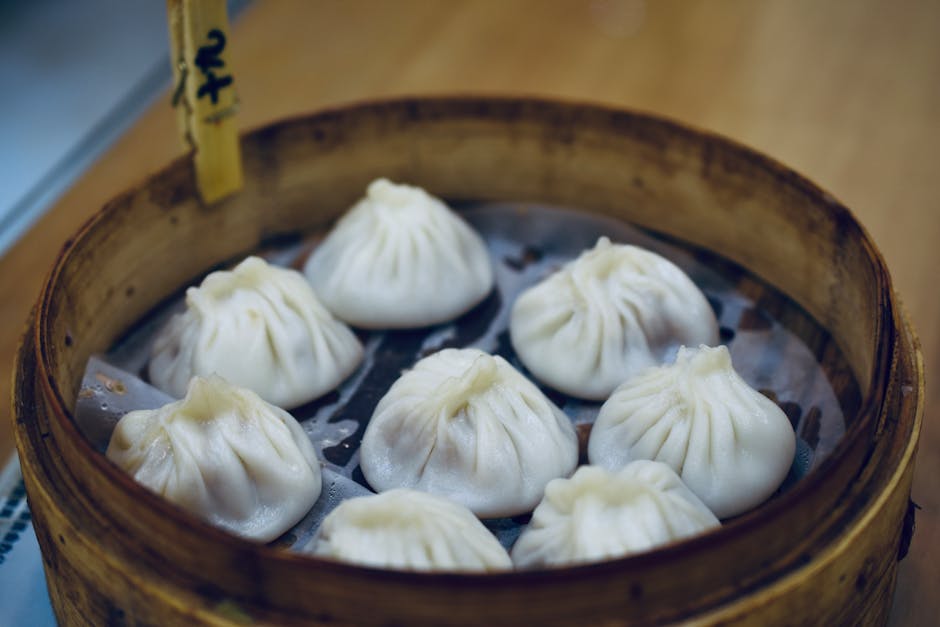
An 11-Year Evolution of a Day Trip
My concept of the perfect day out in Shanghai has shifted radically since I landed at Pudong Airport in 2015. 2015: The Tourist Phase Fresh off the plane, "authentic" meant waiting in line for two hours at the zigzag bridge in Yu Garden to buy a giant soup dumpling with a straw in it. I thought I was experiencing culture. In reality, I was experiencing a tourist queue. I spent excessive amounts of money on souvenirs I didn't need and ate food that was designed for Instagram (or WeChat Moments), not for taste. 2018: The 'Adventurous' Phase By my third year, I swung too far the other way. I sought out the grittiest, darkest alleyways. I ate skewers from unpermitted barbecues at 2 a.m. and convinced myself that hygiene ratings were a western conspiracy. This phase was fun, but it often ended with me regretting my choices the next morning. I was chasing "grit" as a proxy for authenticity. 2026: The Veteran's Choice Now, 11 years in, with a toddler (Mia) in tow, the criteria have changed. Accessibility and sanitation matter. I want the history of Qibao or Songjiang, but I also want a clean toilet nearby. I want tea that is actually high grade, served in a place where I can sit for two hours without being rushed. If you are traveling with family, skip the "wild" street food adventures. For a safer, controlled, but high-quality experience, check out my guide on Top Shanghai Hotels for a Christmas Roast—sometimes you just need a break from the chaos. However, for this day trip, the balance is key: safe enough for a toddler, traditional enough for the soul.Tea Time with Mr. Chen
Years ago, wandering the backstreets of Songjiang, I stumbled into a tea shop that looked more like a storage unit. The owner, a man I now know as Mr. Chen, was polishing a purple clay pot (Zisha) with a cloth. He didn't ask me to buy anything. He just gestured to a stool. "British?" he asked in Mandarin. "Yes," I replied. "You like black tea. I give you Red tea. Same thing." He brewed a pot of Dianhong from Yunnan. It was malty, sweet, and cost a fraction of what high street shops charge. We spent an hour talking about the clay of the pot—how it absorbs the flavor of the tea over decades. He showed me a pot from the 1990s that smelled of tea even when empty.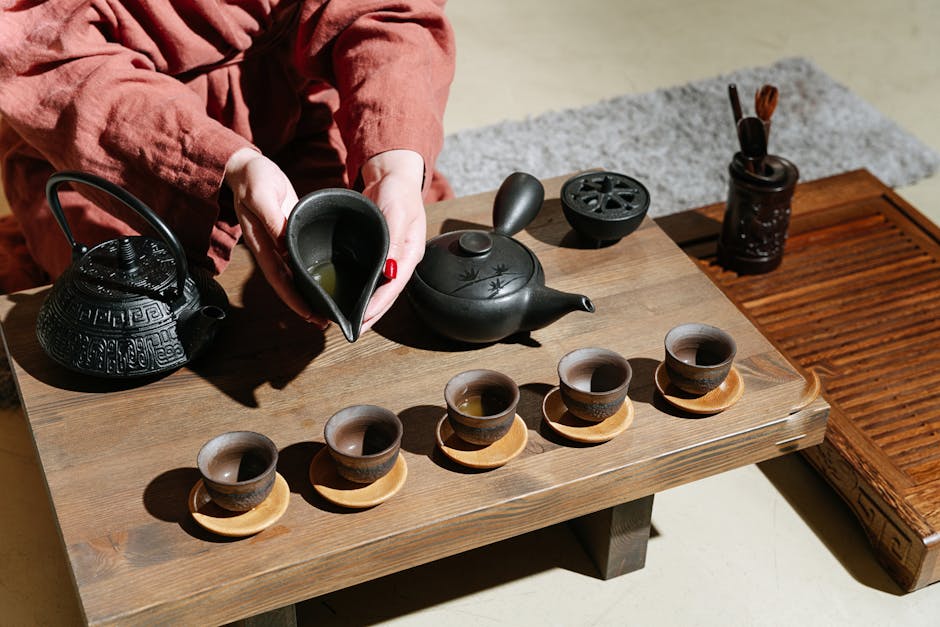
If this was useful, check out:
Comments
Comments are currently closed. Have feedback or a question? Reach out through the contact info on the About page.